Artificial intelligence will be used to support, not replace frontline workers under a new policy unveiled by the NSW Liberals and Nationals, with the Coalition promising legislation to guarantee that key public sector jobs remain in human hands.
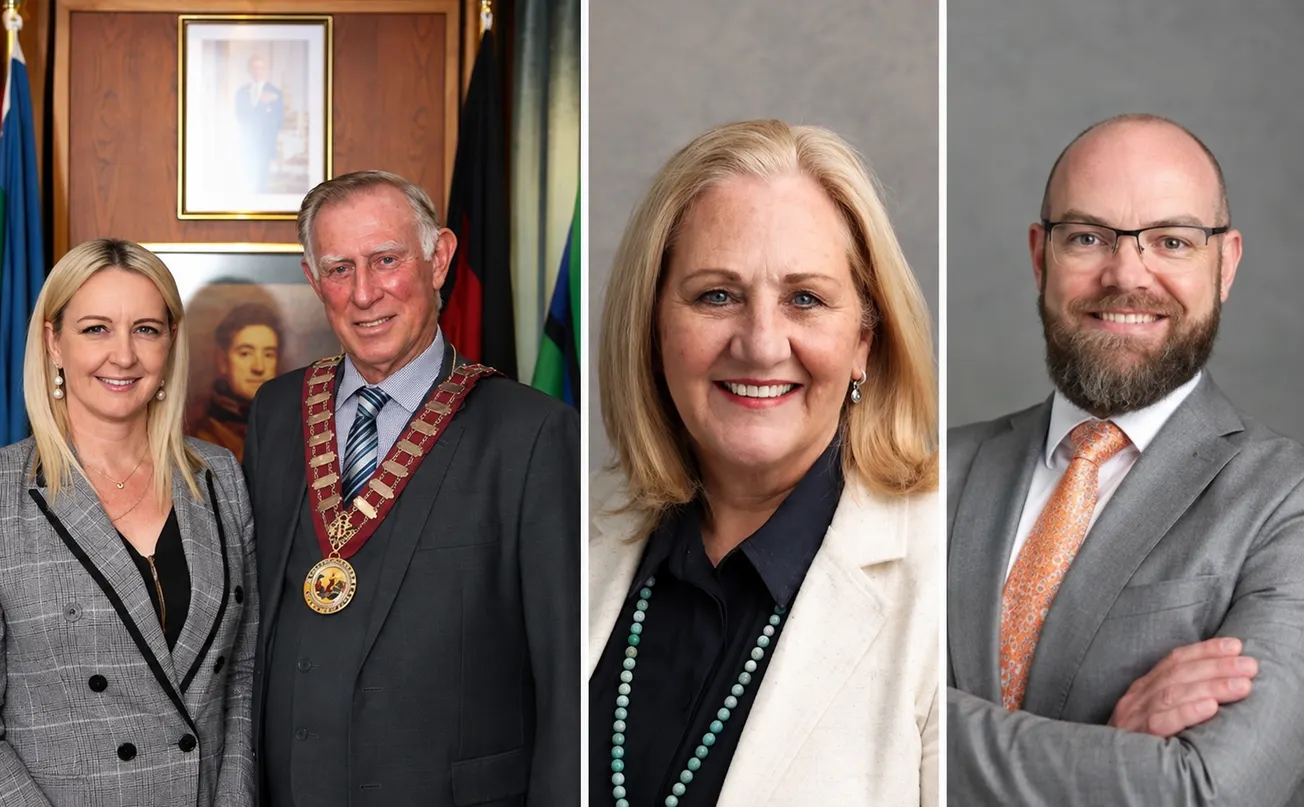
Opposition Leader Kellie Sloane announced that, if elected in 2027, a Liberal and Nationals Government would introduce a NSW Jobs Guarantee and AI Efficiency Act and appoint Australia's first dedicated Minister for Artificial Intelligence to oversee the responsible use of AI across government.
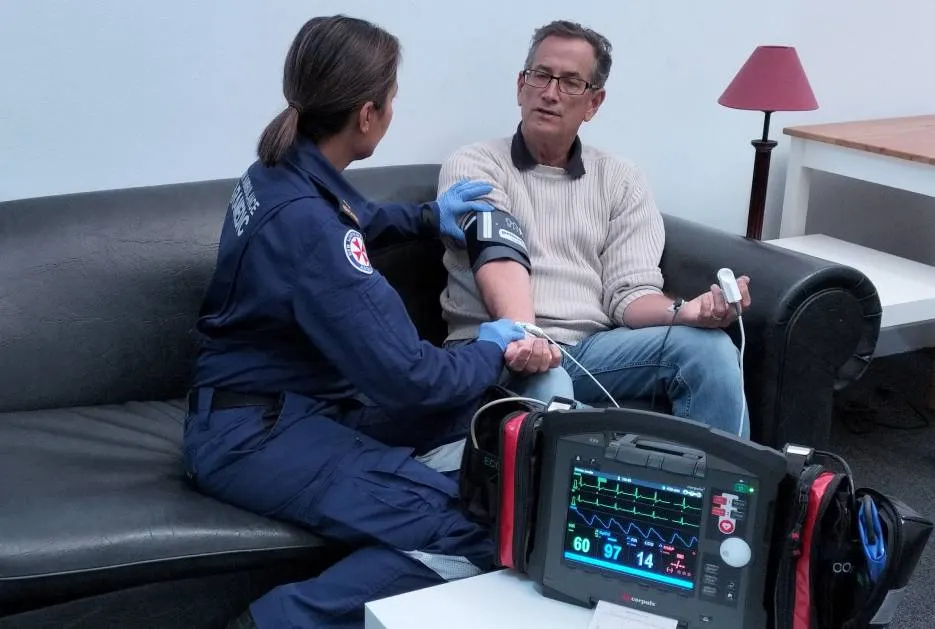
The policy seeks to reassure public sector workers that advances in artificial intelligence will be used to improve services and reduce administrative workloads rather than replace nurses, police officers, paramedics, teachers and other frontline staff.
"Our frontline workers are the backbone of NSW and under a government I lead AI will be used to support them, not replace them," Ms Sloane said.
"There is a huge opportunity through the use of AI to lift productivity across government by reducing paperwork, speeding up decision making and giving frontline workers more time to do what the community relies on them for."
Under the proposed legislation:
- No frontline worker would lose their job to artificial intelligence.
- Government agencies would be required to identify ways AI can improve services and reduce waste.
- Significant government decisions involving AI would remain subject to human oversight, privacy protections and independent auditing.
Hawkesbury benefits identified
Member for Hawkesbury Robyn Preston said the policy could have practical benefits for communities such as the Hawkesbury, where emergency services regularly respond to floods and bushfires.
"Hawkesbury relies on dedicated nurses, police officers, paramedics and teachers every day. Artificial intelligence should support these frontline workers by reducing paperwork and improving efficiency, not replace the people our community depends on," Ms Preston said.
She said AI also had the potential to assist governments in preparing for natural disasters, easing traffic congestion and improving long-term infrastructure planning.
"Hawkesbury has experienced the challenges of floods, bushfires and growing congestion. Used responsibly, AI can help government deliver better services and plan for the future, while ensuring important decisions always remain in human hands."
Dedicated AI Minister
The Coalition says a new Minister for Artificial Intelligence would be responsible for coordinating AI adoption across government, measuring productivity improvements and ensuring technology delivers better services while maintaining public confidence.
Shadow Minister for Digital, Artificial Intelligence and Investment James Griffin said NSW should position itself as a leader in responsible AI.
"NSW should be leading the Asia-Pacific region in responsible use of AI, attracting investment and creating jobs while also ensuring a benefit to the community," Mr Griffin said.
He said a proposed NSW AI Solutions Fund would bring together government, universities and the technology sector to develop projects addressing real-world challenges, including disaster response, traffic congestion and future infrastructure planning.
AI already changing workplaces
Artificial intelligence is increasingly being adopted across both the public and private sectors to automate repetitive administrative tasks, analyse large volumes of data and assist with decision-making.
Supporters argue AI can free skilled professionals from routine paperwork, allowing them to spend more time delivering services directly to the community. Critics, however, have raised concerns about privacy, transparency, accountability and the potential displacement of workers if safeguards are not in place.
The Coalition says its proposed legislation is designed to strike a balance by embracing new technology while guaranteeing that critical public services remain centred on human expertise.
If elected, the NSW Liberals and Nationals say the policy would build on initiatives introduced by the former Coalition Government, including the establishment of Service NSW, the NSW Data Analytics Centre, the Data Sharing Act 2015 and the NSW Government Data Strategy.