A major parliamentary inquiry has recommended sweeping changes to NSW planning laws that could make it easier for Hawkesbury landowners to build second homes on rural properties, support multi-generational living, house farm workers and create additional rental accommodation.
The report of the NSW Legislative Council Select Committee on Rural Housing and Second Dwellings Reform was tabled in March after receiving 292 submissions and hearing evidence from 30 witnesses. The committee also conducted site visits in the Hawkesbury during its investigation.
Importantly, the NSW Government is required to respond to the committee's recommendations by 30 June 2026, making the coming weeks critical for rural communities awaiting reform.
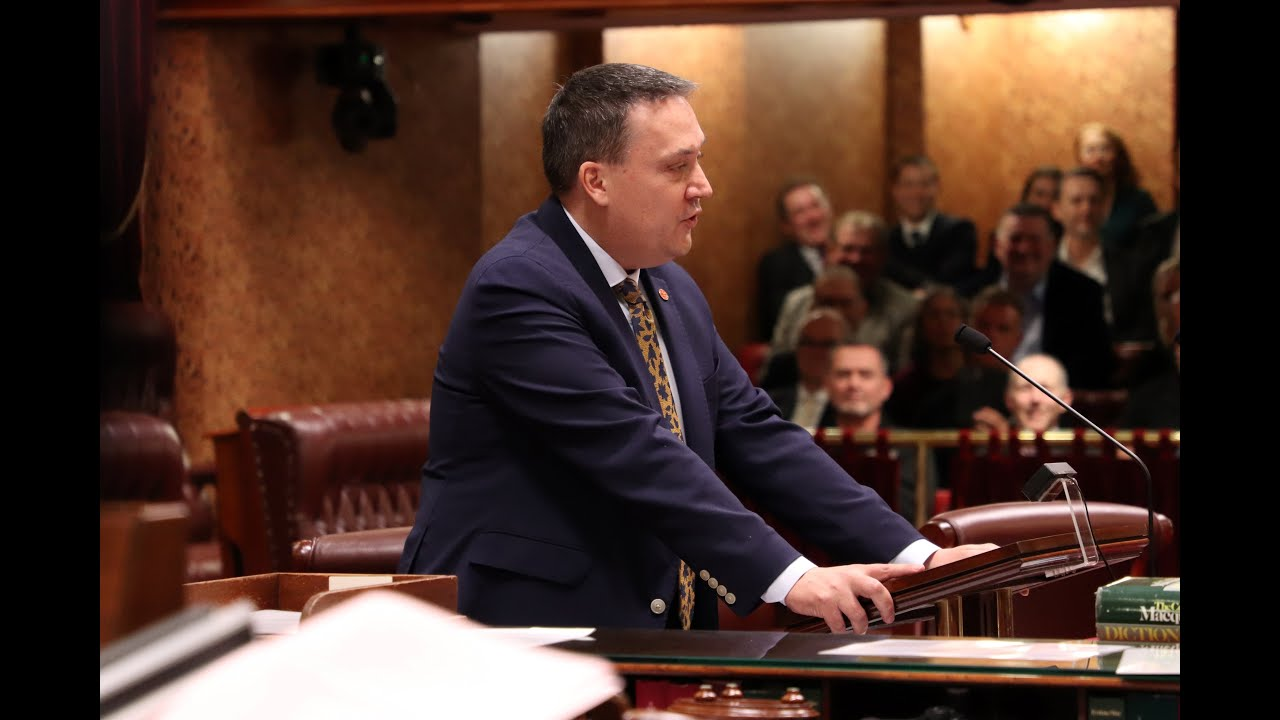
Committee Chair John Ruddick said the current planning system was "too restrictive" and was preventing practical housing solutions for rural families.
"There is a pressing need for rural housing reform," the report states, noting rising housing costs are forcing families away from their communities and separating generations.
What Could Change?
The committee's headline recommendation is for the NSW Government to liberalise rules governing second dwellings on rural and conservation-zoned land.
Among the proposed changes are:
- Allowing secondary dwellings and dual occupancies as complying development in many rural zones.
- Removing requirements for second dwellings to be attached to the principal residence.
- Removing or increasing size restrictions so second dwellings could be as large as, or larger than, the original home.
- Relaxing setback and distance requirements between dwellings.
- Permitting additional sheds, pools and ancillary structures where multiple dwellings exist.
- Considering second dwellings in environmental management and environmental living zones without requiring subdivision.
The reforms would potentially affect properties in zones common throughout the Hawkesbury, including RU1 Primary Production, RU2 Rural Landscape, RU4 Primary Production Small Lots, RU5 Village, RU6 Transition and potentially C3 and C4 environmental zones.
Housing Crisis and Family Support
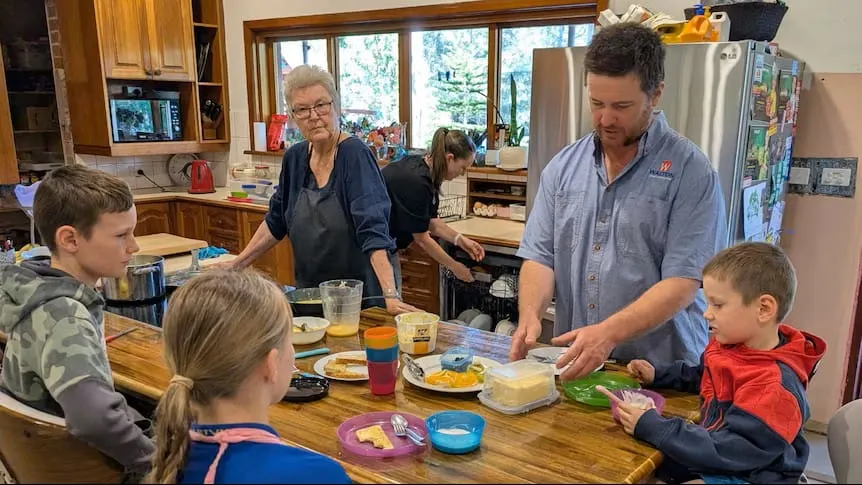
The committee heard repeated evidence that second dwellings could help address housing shortages while supporting ageing parents, adult children, farm succession and family care arrangements.
Witnesses told the inquiry that many farming families currently spend hundreds of thousands of dollars purchasing separate homes in towns for parents or workers when accommodation on the farm would be more practical.
The report also highlighted the role second dwellings could play in reducing pressure on childcare and aged care services by enabling grandparents and extended family members to live nearby while maintaining independence.
For Hawkesbury families facing long childcare commutes and rising housing costs, the recommendations could provide new options for family-based living arrangements.
Benefits for Farmers
NSW Farmers strongly supported reform, arguing that existing planning controls undermine succession planning and make it difficult for multiple generations to remain on working farms.
The inquiry heard that on-farm accommodation can be critical for:
- Housing family members involved in farm operations.
- Accommodating farm workers.
- Providing security and emergency response capability.
- Generating supplementary rental income during droughts, floods and market downturns.
The committee noted that many rural landowners consider current restrictions, including size caps and distance requirements, to be based on suburban planning assumptions that do not reflect the realities of large rural landholdings.
Councils Raise Concerns
Not everyone supports unrestricted reform.
The report records concerns from local government representatives and planning authorities that removing controls could increase rural residential density without adequate planning for roads, services and infrastructure.
Recognising those concerns, the committee recommended the NSW Government review infrastructure impacts within two to three years of any reforms being implemented and consider funding mechanisms to assist councils if demand increases significantly. It also recommended councils undertake audits of roads under their control.
Government Response Looms
The committee's recommendations are not law.
The NSW Government must now determine whether it will accept, reject or modify the proposed reforms. Its formal response is due by 30 June 2026.
For thousands of Hawkesbury residents living on rural and semi-rural properties, the Government's decision could determine whether future generations are able to remain on family land, whether elderly relatives can be accommodated close to family support networks, and whether additional rural housing supply can be created without large-scale subdivision.
With housing affordability remaining one of the region's biggest challenges, the Government's response will be closely watched across the Hawkesbury.