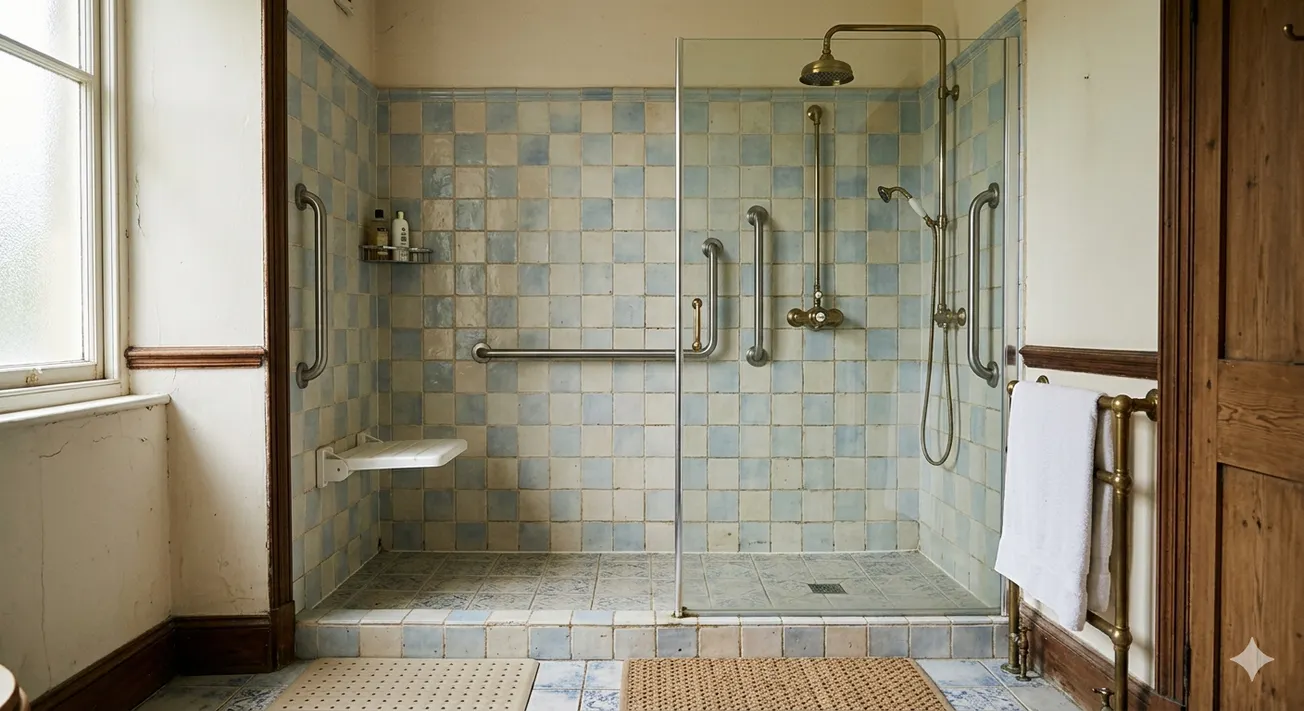
Older residents across the Hawkesbury are set to benefit from a significant change to aged care policy, with the Federal Government confirming that showering, dressing and continence support will be reclassified as clinical care from October 2026.
The decision, announced by Minister for Aging Sam Rae and Minister for Health Mark Butler, follows months of concern that older Australians were being asked to pay for essential daily care, sometimes at the expense of their own health and dignity.
Under the previous classification, these services were considered “personal care,” meaning many elderly people were required to contribute between 5 and 50 per cent of the cost. The shift to clinical care will see these services fully funded, removing a financial barrier that had caused growing concern among providers and families alike.
Some residents were being charge a contribution of up to $50 per hour for this essential health measure such as showering and personal hygiene
A Community That Is Getting Older
The change is particularly significant for communities like the Hawkesbury, where the population is ageing faster than many metropolitan areas.
According to recent census data, more than 20 per cent of Hawkesbury residents are aged 65 and over, well above the national average. In some localities across the region, that figure is even higher, reflecting a community where many residents have chosen to retire for lifestyle, space and connection to nature.
But with that ageing population comes increasing demand for accessible, affordable care.
For many families, aged care is not an abstract policy issue, it is a daily reality, often managed alongside work, childcare and long travel times to services outside the region.
“About Dignity, Not Just Hygiene”
The reclassification follows widespread criticism from older Australians and the sector, including an open letter signed by hundreds of stakeholders raising concerns about the impact of charging for basic care.
Minister Rae said the Government had listened.
“Older people have made clear that they want showering, dressing and continence management considered as clinical care, and that’s the change that we’re making,” he said.
Peak body Ageing Australia welcomed the move, with CEO Tom Symondson describing it as a necessary correction.
“Showering is not just about hygiene and health, it’s about basic human dignity,” he said.
Concerning Trends Emerging
The policy shift comes after alarming evidence that some older Australians had begun cutting back on essential care due to cost.
Providers reported cases where individuals were reducing the frequency of showers, delaying care or avoiding services altogether.
For vulnerable residents, particularly those living alone, this created serious risks not only to physical health but also to mental wellbeing and social connection.
In regions like the Hawkesbury, where access to services can already be limited by geography and transport, those risks are amplified.
Local Impact Likely to Be Significant
While the reform is national, its impact is expected to be strongly felt at a local level.
The Hawkesbury has long been identified as a “care desert” in some areas with limited access to in-home services and growing pressure on families to fill the gaps.
Removing the cost barrier for essential care services could improve uptake of support, reduce pressure on informal carers and help older residents remain safely in their homes for longer.
For a region where hospital access and aged care infrastructure are already stretched, preventative care plays a critical role.
Flow-On Effects for the Health System
The announcement also comes amid broader concerns about pressure on hospitals, particularly “bed blocking,” where patients remain in hospital due to a lack of appropriate aged care support.
Minister Rae indicated further announcements are expected in this area.
Better access to in-home care services including assistance with daily living that can help reduce hospital admissions, shorten recovery times and improve overall system efficiency.
For Hawkesbury residents, who often travel significant distances for hospital care, these improvements could have real and immediate benefits.
A System Still in Transition
The change forms part of broader aged care reforms introduced in November 2025, which have been described as “generational” in scope.
However, as with many large-scale reforms, unintended consequences have emerged.
Ageing Australia acknowledged that while the reforms were well-intentioned, the classification of essential services like showering as “personal care” had created outcomes that were both unexpected and concerning.
“Sweeping reforms will always have unintended consequences,” Mr Symondson said.
The decision to reclassify these services reflects a willingness by government to respond and to adjust policy in line with lived experience.
What It Means for Hawkesbury Families
For families across the Hawkesbury, the change is likely to provide both financial relief and peace of mind.
It means that essential daily care will no longer depend on a person’s ability to pay, older residents can maintain hygiene and dignity without financial stress and families may face fewer difficult choices about care priorities.
In a region where community, independence and quality of life are highly valued, these changes go to the heart of what it means to age well.
Looking Ahead
While the reform has been welcomed, it also highlights the broader challenges facing ageing communities like the Hawkesbury. As the population continues to age, demand for local health services, in-home care and accessible infrastructure will only increase.