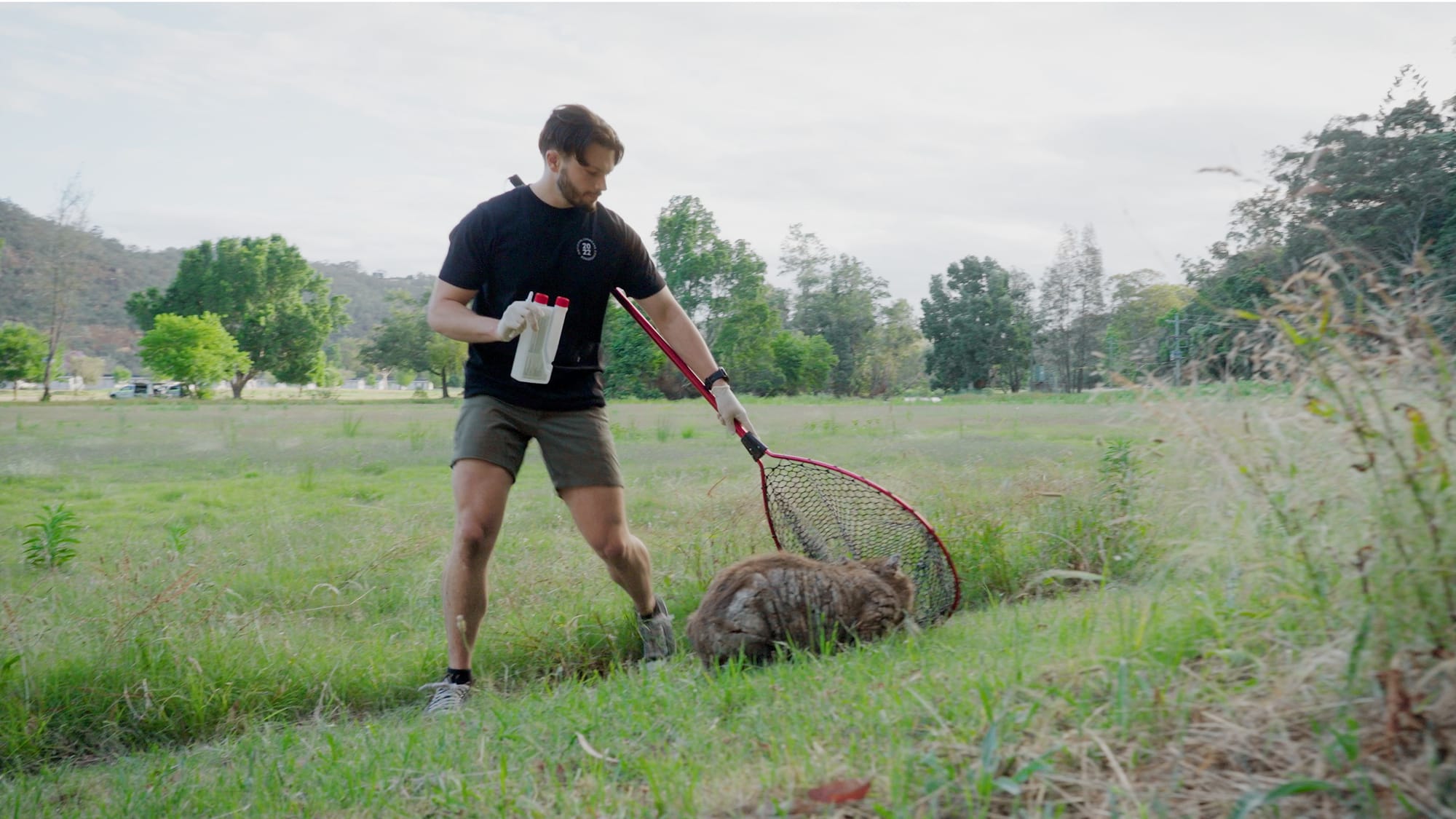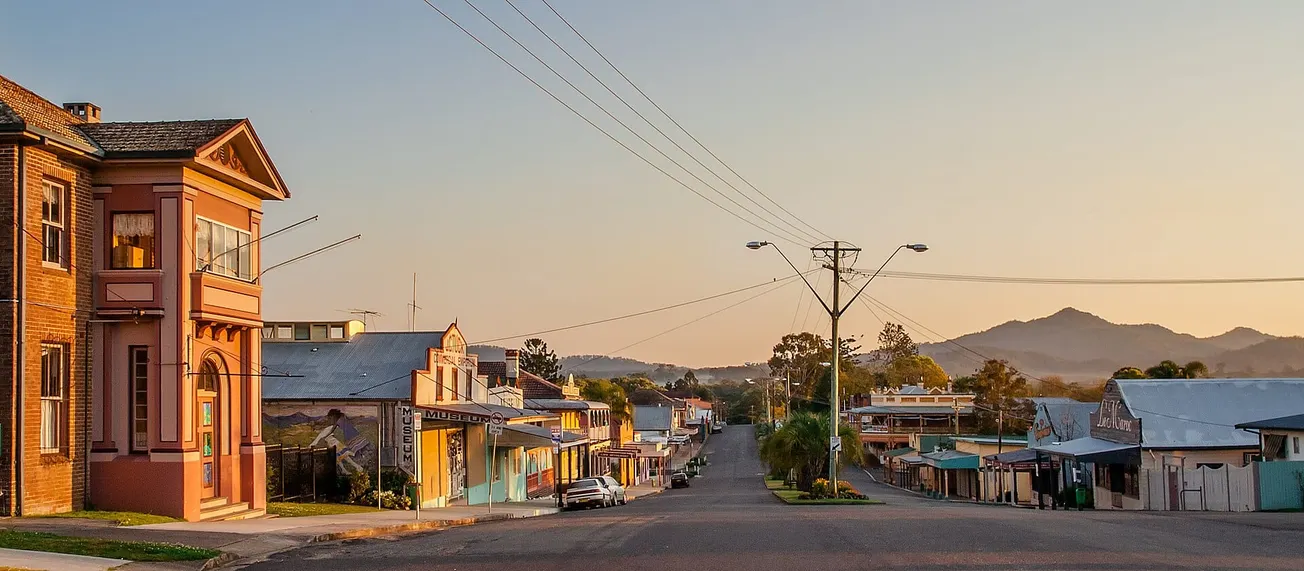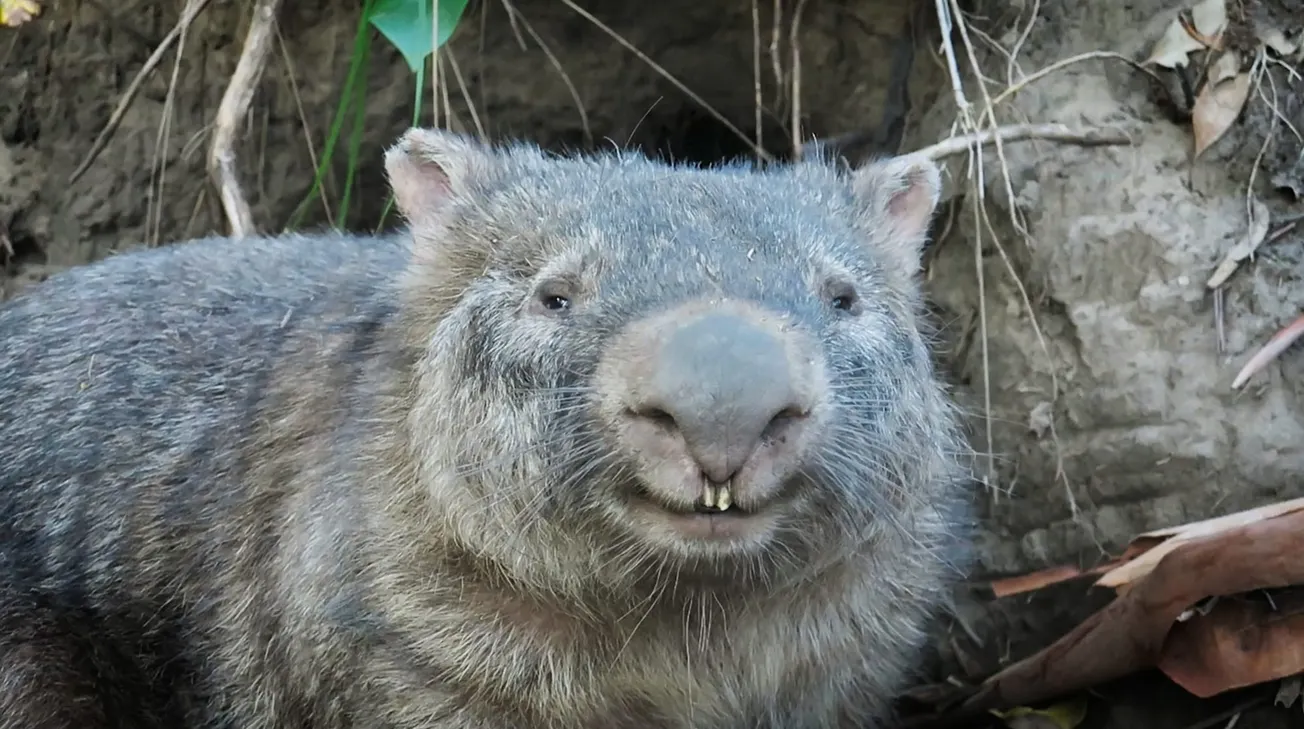
If you’ve ever cruised through the Macdonald Valley at dusk and spotted a chunky, healthy wombat grazing you can thank Toby Davidson better known as "Toby the Wombat Guy". Ten years ago, he set himself a goal to treat every mange affected wombat in the valley. A massive undertaking in a rugged landscape, working alone and with limited funding. Progress was slow. He knew he needed to scale up. The Hawkesbury Gazette answered his plea for help and gave him his first piece of media coverage. It was picked up by nationally and then through social media where it went viral. Big time. His videos racked up over 60 million views, landing him on everything from American chat shows to Turkish TV. He smashed his initial $1,000 fundraising goal, raising over $70,000. This global recognition has funded years of life-saving treatments and equipment, allowing him to quit his day job and focus on wombats full-time. He has saved hundreds from a slow and painful death and quelled the scourge of sarcoptic mange in the valley.
This has been an exercise in connection between people and animals. For Toby it brings an immense sense of privilege to be able to build trust with a wild animal. He feels that they have invited them into his world, albeit reluctantly initially. Each has their own unique character and habits. Over time, he got to know their favourite patch of grass, preferred burrows, mannerisms, playfulness and emotional intelligence. Not surprisingly he gave them nicknames. Wilma (a boy), Crumpet, Willow, Ellie the Rock and Frank the GirlBoss have all featured on his viral videos. His favourite is Wilma, one of the first he treated and who taught him the most about a wombats’ world, “I was allowed a peek into something that felt so mysterious…and in return I cured his mange.” Years of observation have taught him, in his words “the understated brilliance behind those dopey eyes”.
It's not just the wombats that are winners. Toby has created meaningful local community connection. At first people had no idea of what he was talking about. According to him, many didn’t even know that wombats lived in the Hawkesbury, let alone that they were dying from mange. The Macdonald Valley community has backed him with their full support, working with him to treat the animals on their properties. They too have been traumatized by seeing the suffering of the wombats. Local farmers, who historically viewed wombats as fence-wrecking troublemakers, are totally onboard. They appreciate the enormity of what Toby has achieved, and how wombats are beneficial to the environment.
The work of wombats is underground, so we mostly don’t see the benefit. They are important as their network of burrows improve ecosystem health by bringing buried nutrients to the surface and aerating the soil. Oxygen supports beneficial microorganisms growing in the subsoil, the foundation of a healthy biome. Optimal soil structure allows for better water penetration, which in turn supports growing plants. Their burrows can provide shelter and a water source for other species such as echidnas, small wallabies and birds. This has been shown to be a critical aspect of recovery following bushfires when the landscape is highly disrupted.
Sarcoptic mange arrived on our shores with the foxes brought in by early settlers. It spread like wildfire across our landscape and is here to stay. While it can infect all mammals (including people), it is particularly problematic for wombats as the mite thrives in the cool moist conditions of their burrows. The microscopic bug causes intense irritation, thickening and crusting of the skin. Relentless scratching ensues, resulting in open bleeding wounds which become badly infected. Crusts forming around the eyes eventually send the wombat blind. Their behaviour changes from nocturnal grazing to zombie-like aimless wandering, leading to death from infection and starvation. It is a slow and painful demise affecting wombats across Australia.
When Toby travels out of the Macdonald Valley the picture is quite sobering. Just north, at Fernances and Perrys Crossing he sees mangey wombats everywhere. It’s a scene of devastation and the same scenario he started with in 2015. He is now as busy as ever dealing with this new population in need and is keen to recruit helpers for this mission. While mange will never be eradicated, Toby has proven that landscape-scale treatment can suppress its impact.
Volunteers across the country are doing as much as they can to treat mange, supported by organizations including the Wombat Protection Society of Australia, WildCare, Mange Management and WIRES, but the scale of the problem is immense. Landowners with diseased wombats can undertake an online training course. You will then be provided with the materials needed to get started. This not only benefits wombats but will prevent the spread to domestic livestock, people, pets and other wildlife.
The Wombat Guy will continue working with the wombats of the valley, but he also has a broader vision to protect other species and to reverse the extinction crisis facing Australia’s wildlife. He would love to see everyone get involved to protect our precious planet. His message is that you don’t have to chase wombats five days a week to help. “Whether it’s a bee hotel in your backyard or just recycling more, every little bit counts. If we all do something we will all make a difference”.
When he is not tracking wombats, Toby is a freelance photographer and talented filmmaker. Watch Toby's famous videos on Facebook at Toby the Wombat Guy and on Instagram @boornewild
It costs several hundred dollars to treat each wombat. You can support Toby’s ongoing work through a GoFundMe link on his website
The Wombat Guy | Toby Davidson