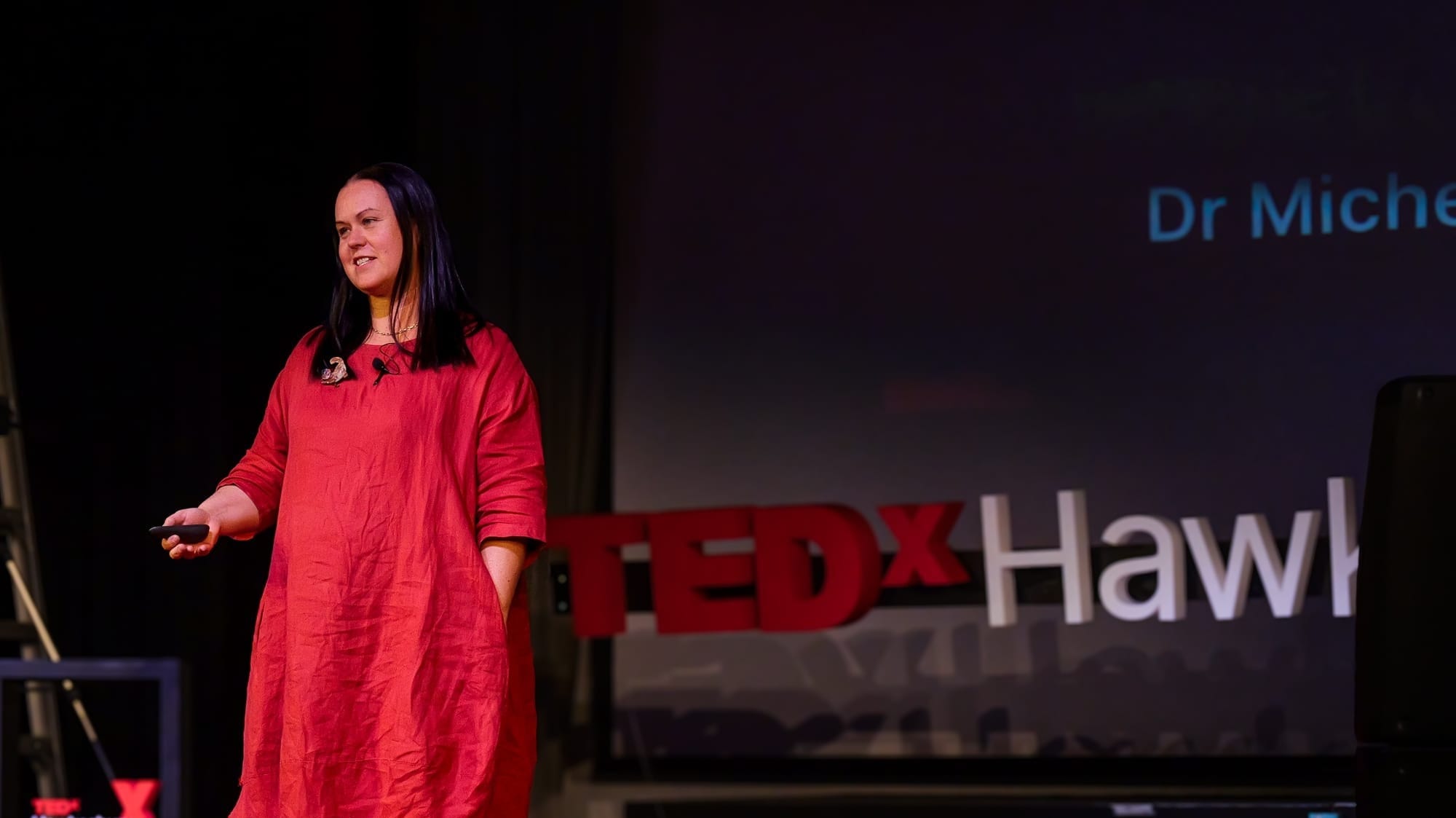
Dr Michelle Ryan from the Western Sydney University spoke at TEDx Hawkesbury and what she has learned about a mostly invisible animal that has the power to bring together communities, influence policy and change the way that we care about our environment. Read on for her story.
Beneath the surface of the Hawkesbury River lives something extraordinary, one of the most amazing creatures on earth, an animal that most people will never see. It's a mammal that lays eggs, has venomous spurs, uses electric receptors to locate its prey, and has survived for millions of years. But that's not the most remarkable thing about it. This elusive animal has the power to unite communities, influence government policy and become a symbol of hope for environments under threat. That animal is the platypus.
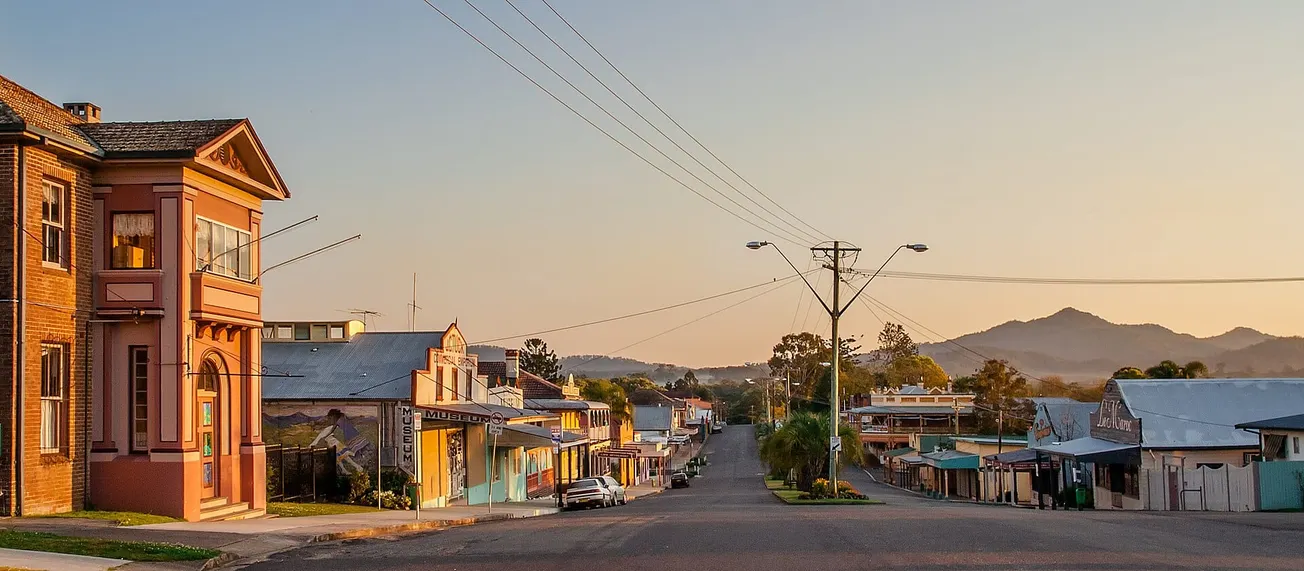
The Hawkesbury Nepean River is the lifeblood of our region; a river that has a deep cultural significance and has sustained populations for 65,000 years. It's a source of water for millions of people throughout Sydney and holds a great diversity of life. But like many rivers it's under immense pressure. Urban development and declining water quality are all shaping the health of this river system in the ways we don't always see. This creates a challenge. It's easy to care about something when it's right in front of you, but what about those things we don't see, the life beneath the surface, the connections that hold it all together. For a long time, the platypus was one of those unknowns. We didn't really know where they were, how many there were, or how they were coping in this increasingly urbanized area. Without that knowledge, it's very hard to protect something.
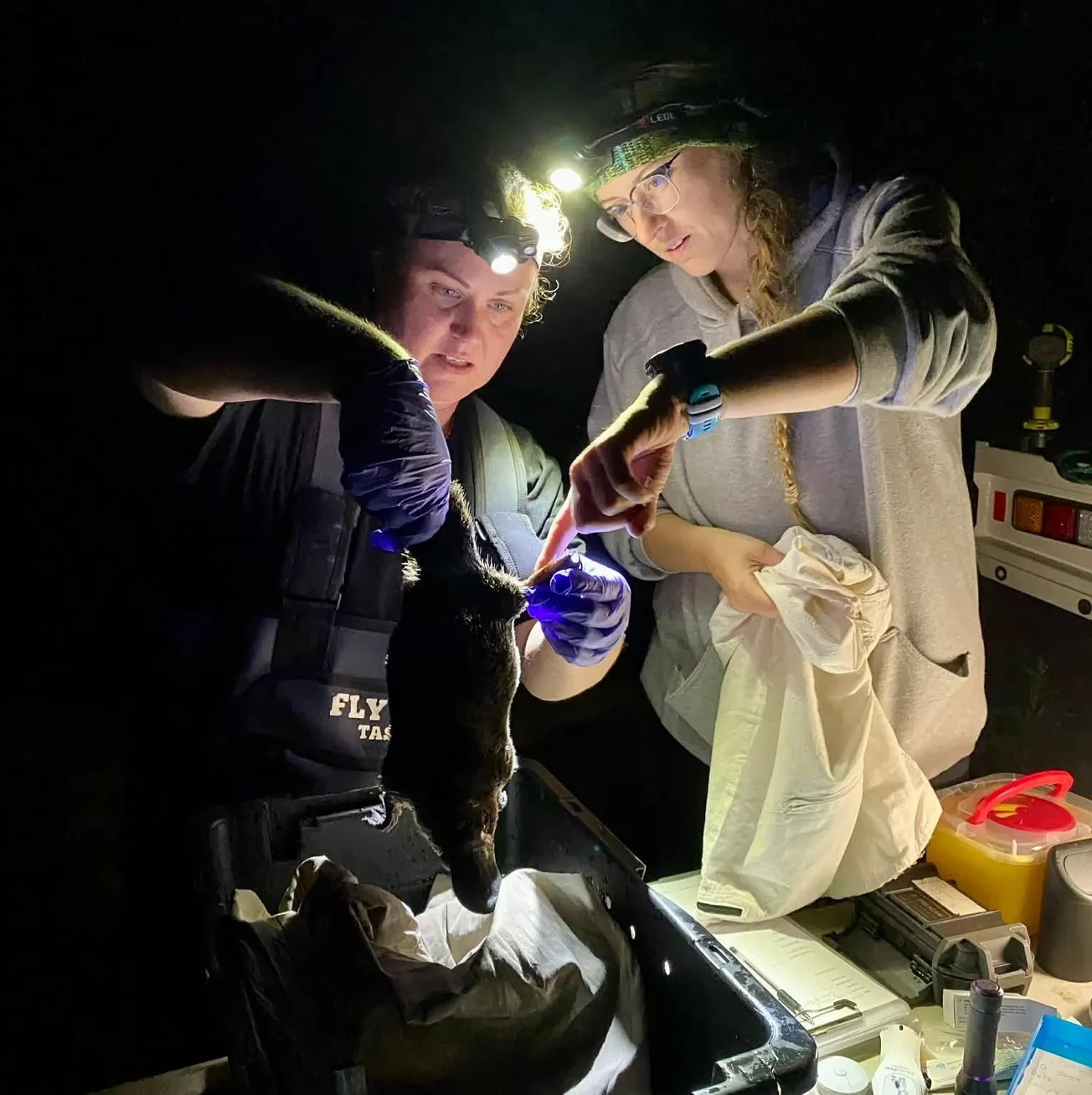
The Hawkesbury Nepean Platypus Project started in the Cattai Creek area, thanks to Cattai Hills Environment Network. In an area that's undergoing a rapid urbanization, with 33,000 more houses slated by 2030, traditional farming areas are being transformed into suburbia. Michelles' team were seeing a real impact - waterway health was declining rapidly, creeks were silting up and biodiversity was diminishing. The platypuses were there, but under incredible pressure. They became a symbol of hope and something to fight for. In the middle of this area is a proposed $200 million tourism development that would absolutely decimate the local environment. Michelles team have been able to not only able to provide scientific evidence, indisputable proof, that these amazing animals exist in The Islands, but were able to give the community an icon to fight for. A platypus called June become the “face” of that campaign, which is ongoing.
The Hawkesbury Nepean Platypus Project is not just about saving the platypus; it's about creating connection. Michelle has spent countless hours engaging with communities, local, state and federal governments. Meanwhile this small, elusive animal gave people a reason to look more closely at the river, their creeks and wetlands, and to care about what they saw. People connected with their waterways and felt the need to protect them, talking about them in ways they hadn’t previously. From that connection, something even more powerful began to happen. Action. People started restoring riverbanks and improving habitat. Local federal member Susan Templeman secured $1 million in funding from the Urban Rivers and Catchment Program to establish a network of Platypus Parks on private and public land, helping to ensure the long-term survival of platypus in our region. Protecting this species means protecting entire ecosystems, and all of this born from an animal that most people will never see.
According to Michelle, real change starts with connection. Connection leads to awareness, which leads to care, which leads to action.
She suggests that next time you cross the water river or walk along a path that you think you know, stop. Take a moment and look a little closer. Beneath the surface, there are connections waiting to be made. The platypus may be elusive, you may never see one in the wild, but that doesn't mean it's not there. It doesn't mean that you can't change the way you see the river or your role in protecting it. "When we are connected our waterways, we're not just protecting a species, we're strengthening communities, we're restoring ecosystems, and we're reminding ourselves that we are part of this landscape too, and that's the most important thing the platypus can teach us."