As concerns grow about Council performance across NSW, many residents and community groups are asking a simple question: what actually needs to happen for a council to be placed under administration?
Here’s a clear, high-level guide to how the process works under the Local Government Act 1993 (NSW).
The Two Key Steps
There are two main pathways the State Government uses when serious concerns arise about a council:
1. Investigation (Section 430)
This is typically the first step. Under Section 430, the Office of Local Government can investigate how a council is operating. This might be triggered by governance failures, poor decision-making, financial concerns and complaints from the community.
These investigations are used to determine whether there are serious or systemic problems affecting the council’s ability to function effectively.
2. Public Inquiry (Section 438U)
If concerns are significant, the process can escalate to a public inquiry. This is a more formal and transparent process where a commissioner is appointed, evidence is gathered and tested and findings are made public.
A public inquiry is generally a necessary step before a council can be dismissed.
What Happens After an Inquiry?
If a public inquiry finds that a council is dysfunctional, engaging in maladministration and failing its community the Minister for Local Government can recommend that the council be dismissed.
From there the Governor formally dismisses the council and an administrator is appointed to take over operations. The administrator runs the council until fresh elections are held.
When Is This Likely to Happen?
Administration is considered a serious step and is usually reserved for situations where there is a breakdown in leadership or governance, decision-making is no longer in the public interest and the council is unable to effectively serve its community.
It is not about political disagreements, it’s about whether the council is functioning properly.
COMMENTARY
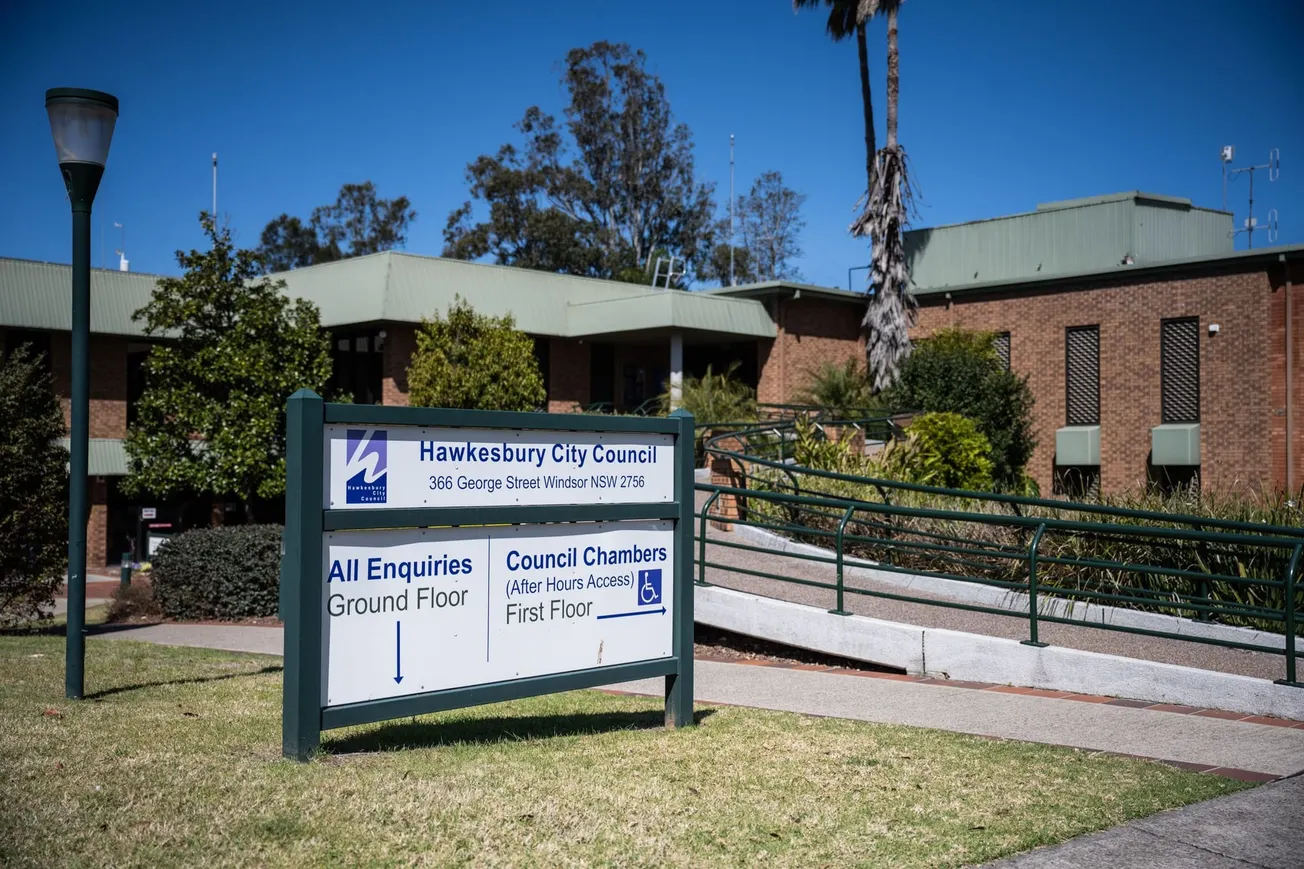
What This Means for the Hawkesbury Community
For residents and community groups calling for an administrator, the pathway is clear:
- Evidence matters - concerns need to demonstrate systemic issues, not isolated incidents
- Escalation is structured - investigation first, then potentially a public inquiry
- Transparency is key - a public inquiry allows community concerns to be formally heard
- Administration is the outcome, not the starting point
The Role of the Community
Community voices play an important role in this process. Concerns raised by residents, businesses, and local organisations can trigger scrutiny, inform investigations and shape the case for further action
But ultimately, the decision rests with the State Government, based on evidence and formal findings.
Appointing an administrator is not a quick fix, it’s the final step in a formal process designed to protect the community and ensure councils are accountable.
For Hawkesbury residents, understanding that process is the first step in ensuring that local government is working in the best interests of the people it serves.