160 deceased organ donors helped provide 411 life-saving organ transplants during 2025
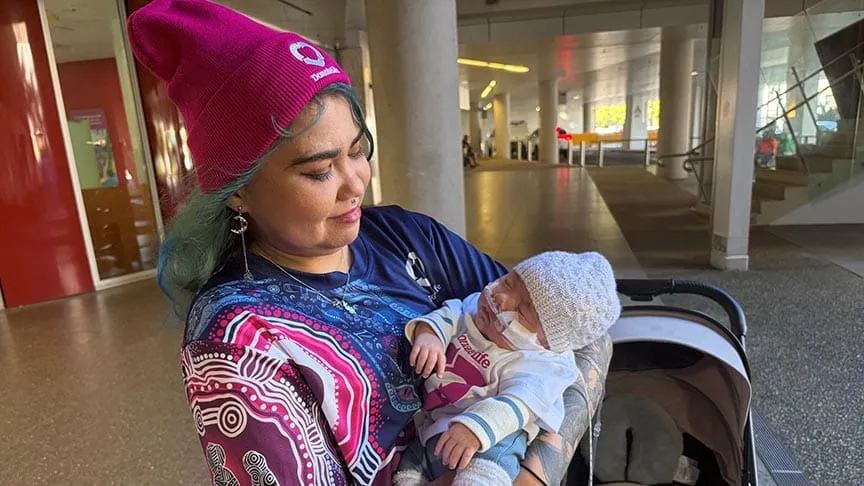
For Cairns mother Kaneesha Garling, organ donation meant much more than receiving a second chance at life.
It meant becoming a mum.
Three years after undergoing a life-saving kidney and pancreas transplant, the 32-year-old proudly welcomed her first child, Alexander, into the world, a milestone she once feared she would never experience.
"My donor is the reason I was able to have a baby," Ms Garling said.
"Alex wouldn't be here otherwise."
Her remarkable story is being shared during DonateLife Week (26 July – 3 August) to encourage more Australians to register as organ and tissue donors and discuss their wishes with their families.
From dialysis to motherhood
Diagnosed with Type 1 diabetes at just five years of age, Ms Garling's health deteriorated rapidly as a young adult.
By the age of 24, complications from diabetes and high blood pressure had caused organ failure, leaving her dependent on dialysis for five years while she waited for a suitable donor.
As she required both a kidney and a pancreas, her transplant could only come from a deceased donor. She admits accepting that reality was emotionally difficult.
"It's a really hard thing to want a transplant because it means someone has to die," she said. "You feel incredible gratitude but also sadness. You mourn the person who gave it to you.
"It's almost like you know them because they gave you something so precious."
Although Australia's organ donation system protects the anonymity of donors and recipients, Ms Garling has written letters through DonateLife Australia thanking her donor's family for their extraordinary gift.
Her son Alexander was born prematurely on 13 May and spent 11 weeks in the special care nursery before finally coming home.
For Ms Garling, every milestone is a reminder of the stranger whose generosity made motherhood possible.
One donor can save eight lives
The story also highlights the extraordinary impact a single organ donor can have.
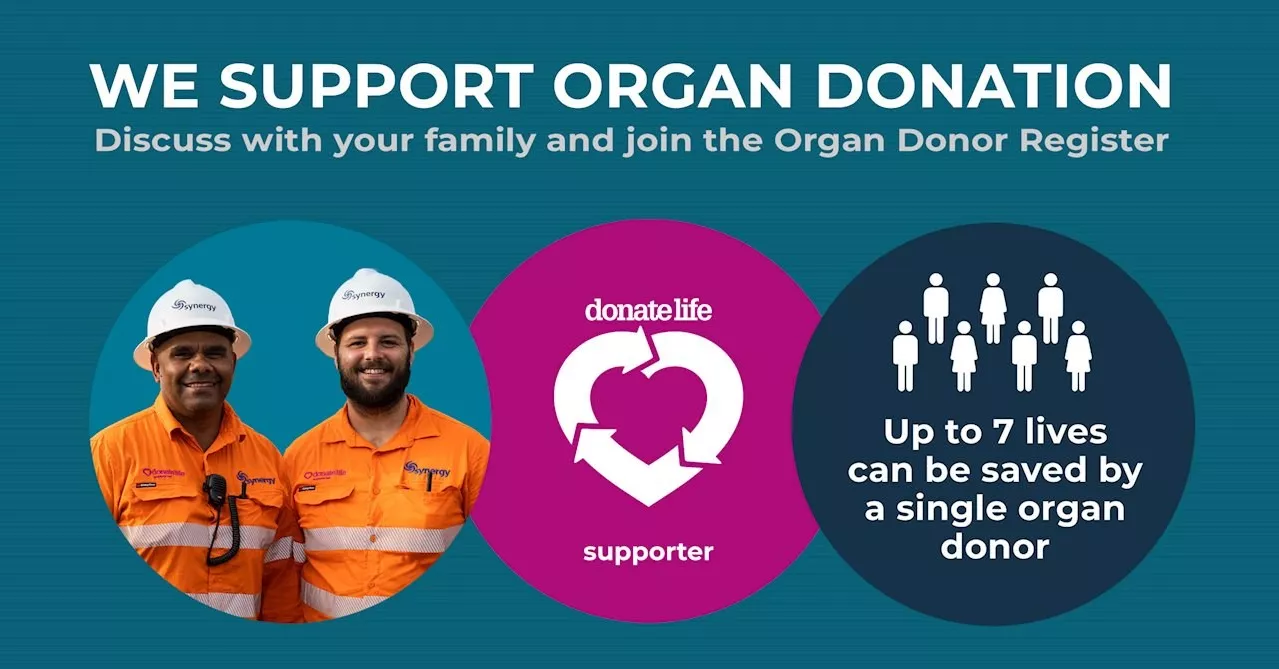
According to DonateLife Australia, one deceased donor can save up to eight lives and improve the lives of more than 75 others through tissue donation.
During 2025, 160 deceased organ donors in New South Wales enabled 411 life-saving organ transplants, giving hundreds of Australians another chance at life.
Yet despite those encouraging figures, around 1,800 Australians remain on transplant waiting lists, while thousands more continue treatments such as dialysis that could potentially be avoided through transplantation.
Calls to return organ donation to driver's licences
DonateLife Week has also reignited calls to make organ donor registration easier by once again linking it to driver's licence applications.
Health advocates argue that asking motorists whether they wish to become organ donors when applying for or renewing their licence would dramatically increase registrations.
The proposal follows the success of South Australia, where residents can register through the driver's licence process.
Around 74 per cent of eligible South Australians are registered organ donors—more than twice the national average making it Australia's leading state for donor registration.
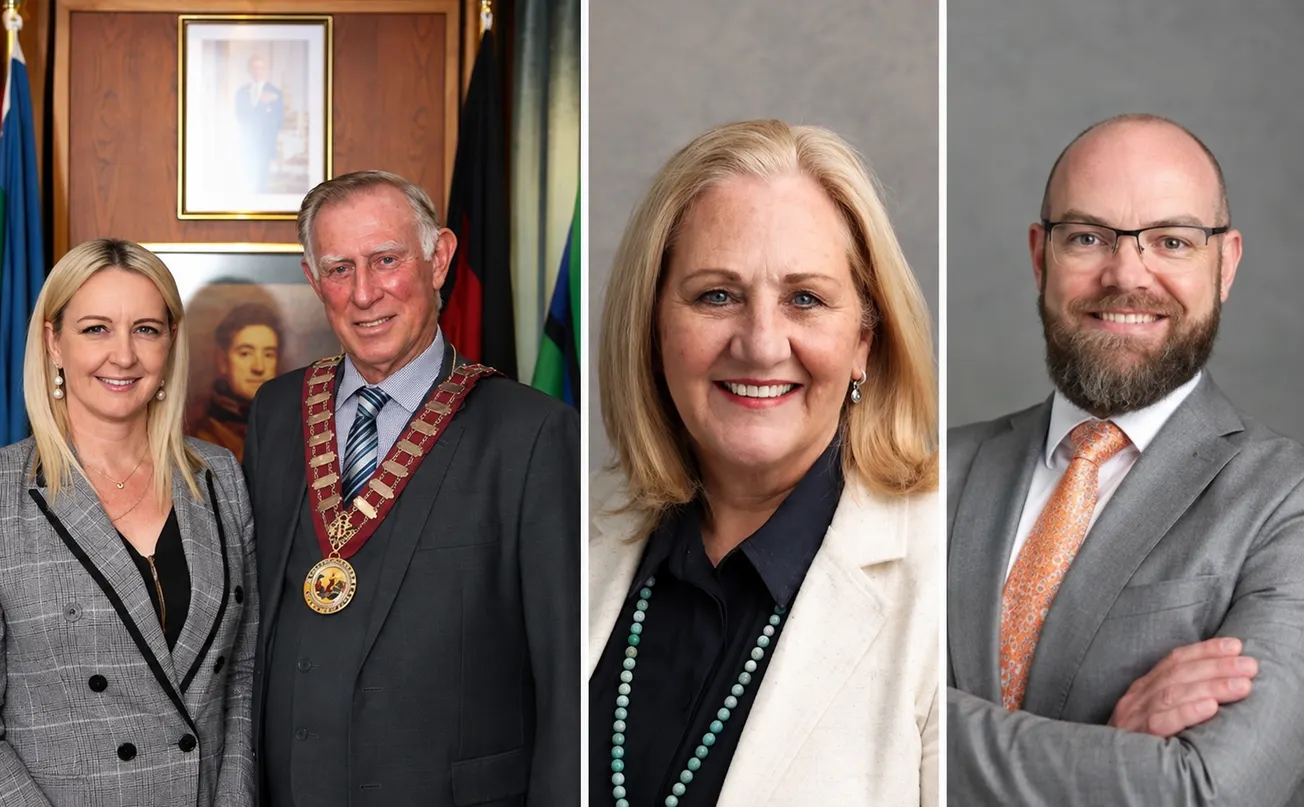
Transplant Australia Chief Executive Officer Chris Thomas believes restoring the system nationally could save lives.
"Let's get it back on the driver's licence," Mr Thomas said.
"Let's show them the benefits of getting people to register through that mechanism."
DonateLife Australia Chief Executive Lucinda Barry has also supported the proposal, saying jurisdictions using the driver's licence system consistently achieve significantly higher registration rates.
Why NSW changed
New South Wales previously allowed people to record their wish to become organ donors when obtaining or renewing their driver's licence.
However, that system ended in 2012 when registrations were transferred to the Australian Organ Donor Register, now managed through Medicare and myGov.
Today, Australians register online through the Australian Organ Donor Register rather than through Transport for NSW.
Supporters of reform argue that removing the question from driver's licence applications eliminated one of the simplest opportunities to encourage people to make a decision about organ donation.
A Hawkesbury opportunity
The issue has particular relevance for the Hawkesbury, where thousands of residents regularly interact with the driver licensing system.
Whether renewing a licence, obtaining a provisional licence or updating personal details, these routine transactions could provide an opportunity to ask a simple question that might one day save a life.
Supporters say it requires only seconds to answer but could significantly increase donor registrations across communities like the Hawkesbury.
The conversation that matters most
Health Minister Ryan Park is encouraging Australians not only to register but also to tell their families about their decision.
While registration is important, families are still consulted when organ donation becomes possible, and they are much more likely to support donation if they already know their loved one's wishes.
For Ms Garling, that conversation changed the course of her life.
Today, every smile from baby Alexander is a reminder that one family's decision to say "yes" to organ donation gave another family the chance to begin.
How to register
Australians can register their decision to become an organ and tissue donor through the Australian Organ Donor Register by:
- Logging into myGov and accessing Medicare.
- Using the Express Plus Medicare app.
- Completing a paper registration form available through DonateLife.
Health authorities also encourage everyone to have a conversation with their family so they understand and can honour their wishes if the opportunity for organ donation ever arises.
As DonateLife Week reminds Australians, it only takes a minute to register but that one minute could one day save eight lives and transform dozens more.