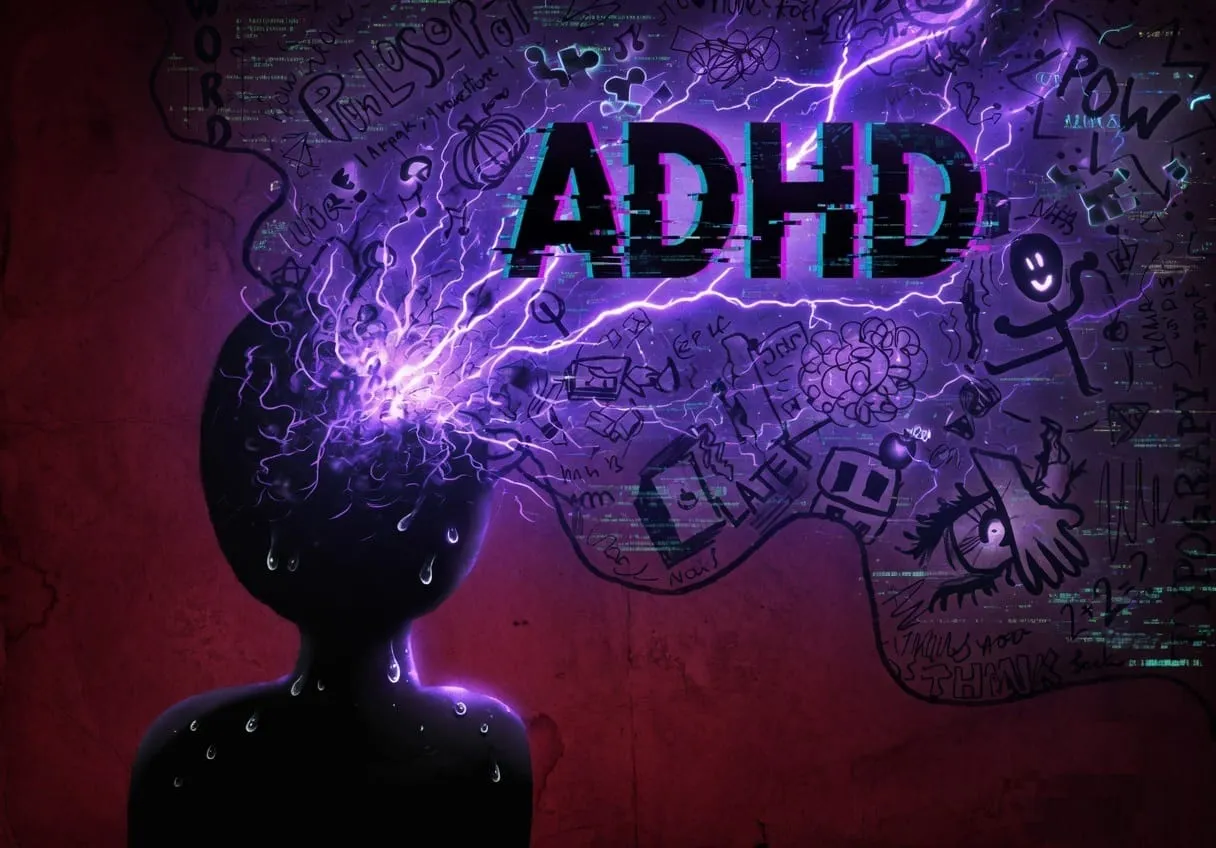
A sharp rise in adult ADHD diagnoses across Australia is prompting renewed debate about access to care, cost barriers, and whether the system is keeping up with demand.
New data published by ABC News, shows that the number of adults being treated for ADHD has increased dramatically in recent years, particularly among women.
A Rapid Rise in Diagnoses
According to the analysis, the percentage of Australian adults filling prescriptions for ADHD medication has increased more than six-fold since 2017.
Experts say the surge reflects a combination of:
- growing awareness of ADHD in adults
- better recognition of symptoms
- and long-standing underdiagnosis, especially in women
Historically, ADHD has been associated with children—particularly boys—but there is increasing recognition that the condition often continues into adulthood and may present differently.
Women Driving the Increase
One of the most significant findings is the rise in diagnoses among adult women.
For decades, many women with ADHD were overlooked, often because their symptoms such as inattention or internalised stress did not fit the traditional hyperactive profile.
The result is that many are now being diagnosed later in life, sometimes after years of struggling with work and study, organisation and focus and anxiety or mental health challenges.
A Patchwork System
Despite the increase in diagnoses, access to care remains uneven across the country.
The report identified stark differences between regions, with some areas recording high rates of diagnosis and treatment, while others were described as “ADHD deserts,” where many people remain undiagnosed and untreated.
In some locations, treatment rates appear to exceed expected prevalence, raising questions about consistency and standards in diagnosis.
Barriers to Diagnosis
Even as awareness grows, significant barriers remain. These include long waiting times - often up to 12 months, high out-of-pocket costs for assessment, and limited availability of specialists.
For many Australians, accessing a diagnosis can cost more than $1,000 and require multiple appointments, placing it out of reach for some.
Is ADHD Being Overdiagnosed?
The rapid increase has also sparked debate about whether ADHD is being overdiagnosed, or whether Australia is simply catching up after years of under-recognition.
Estimates suggest ADHD affects between 2 to 6 per cent of adults in Australia, indicating there may still be a substantial number of undiagnosed cases. Applied locally, national estimates suggest somewhere in the order of 1,100 to 3,500 adults in the Hawkesbury may be living with ADHD, including many who remain undiagnosed.
Experts caution that both overdiagnosis and underdiagnosis can occur at the same time, depending on access to services and diagnostic practices.
What It Means for Communities Like the Hawkesbury
For regions such as the Hawkesbury, the findings raise important questions about access to services.
Local challenges include fewer specialist providers compared to metropolitan areas, longer travel distances for appointments and increasing demand for mental health and support services.
As awareness grows, more residents may seek diagnosis and treatment—placing additional pressure on already stretched systems.
A System Under Pressure
The surge in adult ADHD diagnoses reflects a broader shift in how mental health and neuro-developmental conditions are understood.
But it also highlights gaps in the systems, such as inconsistent access depending on location, unmanageable financial costs for individuals, and limited capacity of existing services to meet growing demand.
Looking Ahead
Governments across Australia are beginning to respond, with reforms underway in some states to allow trained GPs to diagnose and manage ADHD in an effort to reduce waiting times and improve access.
However, the challenge remains significant. As more adults seek answers and support, the system will need to balance accurate diagnosis, equitable access and appropriate treatment.
A Growing Conversation
The rise in ADHD diagnoses is not just a medical issue, it is a social one.
It reflects changing understanding of the condition, increased awareness and a growing willingness to seek help.
Local support services in the Hawkesbury
Hawkesbury Medicare Mental Health Centre
- Free mental health support
- No appointment or referral needed
- Walk-in service for anyone feeling stressed, overwhelmed or needing someone to talk to
- Offers short-term support and connects you to longer-term help (Neami National)
Headspace Hawkesbury
headspace Hawkesbury Web Address: 120 Francis St, Richmond NSW 2753, Australia Phone: +611800517171
- Free support for ages 12–25
- Mental health, alcohol/drug support, work and study help
- Also supports families and carers (Headspace)
👉 One of the most important youth services locally.