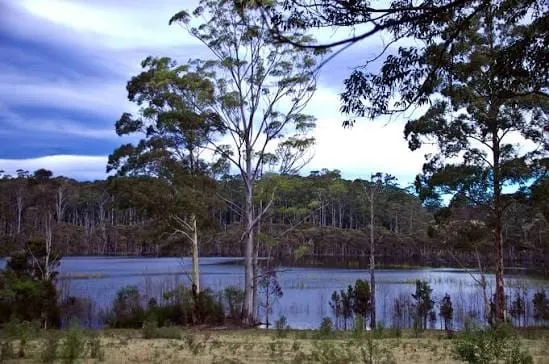
More than 40 bird species recorded in the Greater Blue Mountains World Heritage Area appear on a new NSW Government list of wildlife assessed as being at high or very high risk from H5 bird flu.
The assessment does not mean H5 bird flu has been detected in the Hawkesbury or Blue Mountains. It identifies species that could be vulnerable or require priority monitoring if the virus reaches local waterways and wildlife populations.
Highly pathogenic avian influenza H5N1, commonly called H5 bird flu, has now been detected in wild birds in NSW.
As of August 22, 2026, the NSW Government had reported four infected birds at three locations: two giant petrels at Hawks Nest, a greater crested tern at Narooma and another greater crested tern at Wentworth in western NSW.
H5 bird flu has not been detected in Australian commercial poultry flocks, captive birds or other bird populations. Authorities say there is no evidence of mass wildlife deaths, and the current risk to human health remains low.
The NSW Department of Climate Change, Energy, the Environment and Water published its wildlife risk assessment on August 18. It lists species given high or very high scores based on potential population impacts, vector potential and likely community concern.
NSW wildlife assessment identifies local ducks, waterbirds and eagles among species considered highly or very highly susceptible to H5 bird flu.
The assessment does not mean bird flu has been detected in the Hawkesbury or Blue Mountains. However, it shows that many locally occurring birds could be vulnerable if the virus spreads into inland waterways and wildlife populations.
Highly Pathogenic Avian Influenza H5N1, commonly called H5 bird flu, has now been detected in NSW migratory birds.
As of August 22, the NSW Government reported four infected birds at three locations: two giant petrels at Hawks Nest, a greater crested tern at Narooma and another greater crested tern at Wentworth in western NSW.
There has been no detection in Australian commercial poultry flocks, captive birds or other bird populations, and authorities say there is no evidence of mass wildlife deaths. The current risk to human health remains low.
The NSW Department of Climate Change, Energy, the Environment and Water’s August 2026 risk assessment identifies species considered most likely to be affected, spread the disease or generate significant conservation concern.
International experience shows the virus can cause large-scale deaths among poultry, waterbirds, shorebirds, seabirds, birds of prey and some mammals.
A comparison with the documented birds of the Greater Blue Mountains World Heritage Area reveals that more than 40 species on the State risk list have been recorded within the region.
They include common and familiar birds such as the Pacific black duck, Australian wood duck, black swan, grey teal, chestnut teal, Australian pelican, white-faced heron, Australian white ibis, masked lapwing, dusky moorhen, Australasian swamphen and Eurasian coot.
Less frequently seen species on both lists include the musk duck, pink-eared duck, blue-billed duck, freckled duck, Australasian shoveler, black bittern, Australasian bittern, Latham’s snipe and plumed whistling duck.
Local cormorants, spoonbills and egrets are also represented, including the great cormorant, little black cormorant, little pied cormorant, pied cormorant, great egret, intermediate egret, royal spoonbill and yellow-billed spoonbill.
Two large birds of prey found across the region the wedge-tailed eagle and white-bellied sea-eagle are also included in the risk assessment.
Raptors may become infected by hunting or scavenging sick birds. Waterbirds are particularly vulnerable because they gather around shared lakes, dams, rivers, swamps and other wetlands, creating opportunities for the virus to spread through close contact, droppings and contaminated water.
The Greater Blue Mountains records cover a much larger area than the Blue Mountains local government area. They include Blue Mountains, Wollemi, Yengo, Gardens of Stone, Kanangra-Boyd and Nattai national parks, Thirlmere Lakes and Jenolan Karst Conservation Reserve.
Parts of the Wollemi and Yengo reserves extend through the Hawkesbury, while the wider district contains numerous dams, lagoons, river systems and areas where wild birds and domestic poultry may come into contact.
The NSW assessment is intended to guide surveillance, emergency planning, conservation measures and decisions about which wildlife species should receive priority if a larger outbreak occurs.
All bird species may potentially be infected, but overseas outbreaks have caused particularly severe losses among birds that congregate in large numbers and animals that prey upon or scavenge infected birds.
Avoid, record and report
People who find sick or dead birds should not touch or approach them.
The NSW Government advises residents to:
- Keep children, dogs, cats and other animals away.
- Avoid contact with the bird, its droppings and the surrounding ground or water.
- Note the location, date, number and type of animals involved.
- Take photographs or video from a safe distance, if possible.
- Report sick or dead birds to the 24-hour Emergency Animal Disease Hotline on 1800 675 888 or use the NSW Government’s online reporting form.
One or more suddenly dead or sick waterbirds, shorebirds, seabirds, birds of prey or scavenging birds should be reported. Five or more sick or dead wild birds of any species found together must also be reported.
A single sick or injured native bird requiring rescue can be reported to WIRES on 1300 094 737, but suspected bird-flu cases should first be reported to the Emergency Animal Disease Hotline.
Handling a dead bird
The safest course is to leave the bird where it is, keep people and pets away and seek instructions from the hotline, the land manager or the local council.
Birds found in national parks should be reported to National Parks and Wildlife Service staff. Birds on roads, parks or other public land should be reported to the authority responsible for that land.
A carcass should only be moved when it is essential to prevent access by children or animals and official advice has been obtained.
Anyone directed to move a carcass should avoid touching it with bare hands. NSW guidance recommends wearing disposable gloves, covered clothing, enclosed rubber or leather footwear, eye protection and a correctly fitted P2 or N95 mask.
Use a shovel, tongs or an inside-out plastic bag to pick up the bird without directly touching it. Place it in a strong leak-proof bag, seal it and put that bag inside a second bag. Used disposable gloves should also be sealed inside the outer bag.
Wash hands thoroughly with soap and water afterwards. Clothing should be washed, and footwear, tools and any contaminated surfaces should be cleaned and disinfected before coming into contact with poultry, domestic birds or pets.
Dead bats or flying foxes must never be handled by members of the public because of the risk of Australian bat lyssavirus.
Anyone who becomes unwell after contact with a sick or dead bird or contaminated surroundings should call the NSW Public Health Unit on 1300 066 055 and explain the possible exposure before attending a medical facility.
Current reporting and safety advice is available from the NSW Government H5 bird flu information page.