When Hawkesbury City Council applied for a Special Rate Variation to increase rates by a cumulative 39.41 per cent over four years, many residents assumed the Independent Pricing and Regulatory Tribunal (IPART) would closely examine whether the Council had delivered the outcomes promised in previous rate increases.
According to a review commissioned by the Hawkesbury Gazette, that assumption may be incorrect.
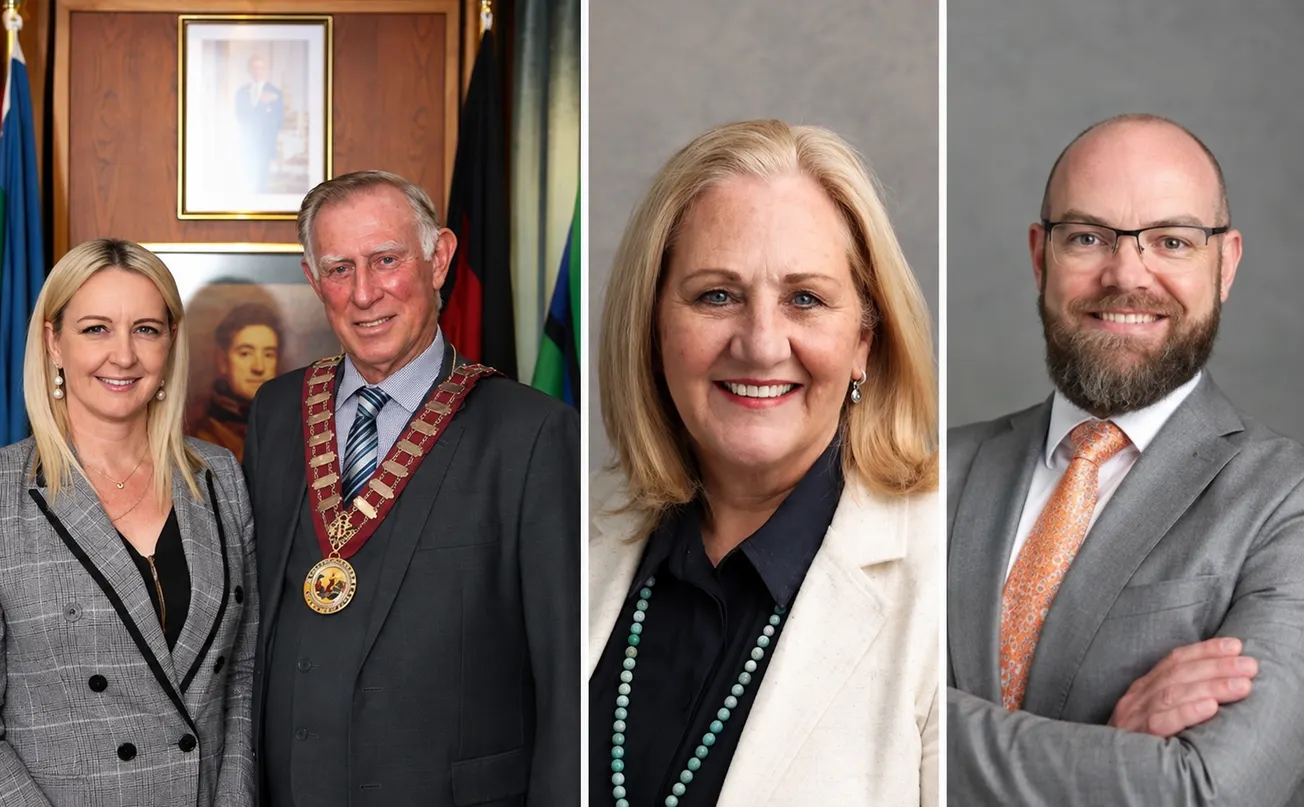
Mr Gribbin spent decades in business analysis and governance roles at IBM, assessing organisational performance, financial systems, project delivery and accountability frameworks across the public and private sectors for Australia's top 100 companies. Following IPART's approval of Hawkesbury City Council's application to increase rates by 8.66 per cent per year for four years, he conducted a detailed review of the Tribunal's final determination.
The question is simple is: Can Council be trusted with additional funds?
The answer, according to IPART, is not a matter it is authorised to determine.
Not IPART's Job
In his report, Mr Gribbin notes that many objections to the Special Rate Variation centred on Council's delivery record, governance performance and the outcomes of previous funding increases.
Residents raised concerns about projects including Fernadell Park, the WestInvest initiatives, the Berambing telecommunications tower, Windsor Paddlesports, and aspects of the sewer scheme. Yet IPART acknowledged these concerns and effectively excluded them from consideration because they fell outside the Tribunal's statutory role.
IPART's position is that it does not audit councils, assess individual spending decisions, or evaluate whether projects have been successfully delivered. Its role is to assess whether an application meets legislative requirements and whether the proposed financial strategy is reasonable.
That position may be legally correct, but it raises an obvious question. If IPART doesn't assess whether councils have successfully delivered projects funded by previous rate rises, who does?
The Missing Accountability Gap
One of the most significant findings in Mr Gribbin's report is that IPART found Hawkesbury City Council had failed to comply with the reporting requirements attached to a previous Special Rate Variation.
According to the determination, Council failed to provide the required reporting under the conditions attached to the earlier variation. IPART referred the matter to the Office of Local Government but approved the new application regardless.
For many ratepayers, that finding poses a dilemma. If the previous increase was not fully reconciled during the reporting process, how can residents assess whether it achieved its intended objectives?
And if IPART does not undertake that assessment, where does it take place?
The System of Oversight
In theory, local government oversight is shared among several bodies. Elected councillors govern councils. Financial statements are audited by independent auditors and overseen by the NSW Audit Office. The Office of Local Government regulates councils and monitors compliance with legislation. IPART assesses Special Rate Variation applications. Each organisation performs part of the accountability function.
The challenge is that no single body appears responsible for answering the broader question many residents are asking.
Did previous rate rises deliver what ratepayers were promised?
The issue extends beyond Hawkesbury. Across New South Wales, councils regularly apply for Special Rate Variations to address infrastructure backlogs, asset renewal and financial sustainability.
The public generally recognises that roads, bridges, parks, drainage systems and community facilities cost money.
What ratepayers often struggle with is understanding who independently verifies whether previous increases achieved their intended outcomes before new increases are approved.
Mr Gribbin argues that stronger accountability mechanisms should be considered, including independent monitoring, audited reconciliations and milestone reporting tied to future applications. IPART did not adopt those proposals.
A Question of Public Confidence
The debate is not really about whether Hawkesbury needs better roads. Nor is it simply about whether rates should rise.
It is about public confidence. Confidence that promises made to ratepayers are kept. Confidence that projects are completed. Confidence that reporting obligations are met. And confidence that someone, somewhere, is independently checking whether previous funding delivered the results that justified asking for more.
IPART has made clear that role does not belong to it.
The question for ratepayers is whether the current system clearly identifies who is responsible.
Questions the Gazette has asked of IPART
We would appreciate IPART's response to the following questions:
- IPART's determination acknowledges that Hawkesbury City Council failed to comply with the reporting requirements attached to a previous Additional Special Variation and that the matter was referred to the NSW Office of Local Government. Why was this non-compliance not treated as a barrier to the approval of the new Special Rate Variation?
- What consequences, if any, apply when a council fails to comply with the reporting conditions attached to a Special Rate Variation?
- Why should ratepayers have confidence in a cumulative 39.41 per cent increase over four years when the outcomes of the previous Special Rate Variation were not publicly reconciled under the required reporting process?
- Does IPART believe councils should be required to demonstrate the effectiveness of prior Special Rate Variations, including whether stated objectives were achieved, before receiving approval for further rate increases?
- The determination notes that matters relating to project delivery, expenditure decisions and the performance of individual projects fall outside IPART's remit. If IPART does not independently assess those matters, which public authority does IPART consider responsible for evaluating whether councils have successfully delivered the outcomes funded by previous Special Rate Variations?
- Would IPART support legislative reform that would allow it to consider a council's compliance with previous reporting requirements and its delivery of outcomes when assessing future Special Rate Variation applications?
- In circumstances where a council has failed to comply with previous reporting conditions, did IPART consider imposing additional accountability measures or conditions on the new approval? If so, what measures were considered?
A response from IPART will be considered for publication in full or in part and reported fairly and accurately.
Download the Report
Related story: Did IPART ask the right questions before approving the Council rate rise?