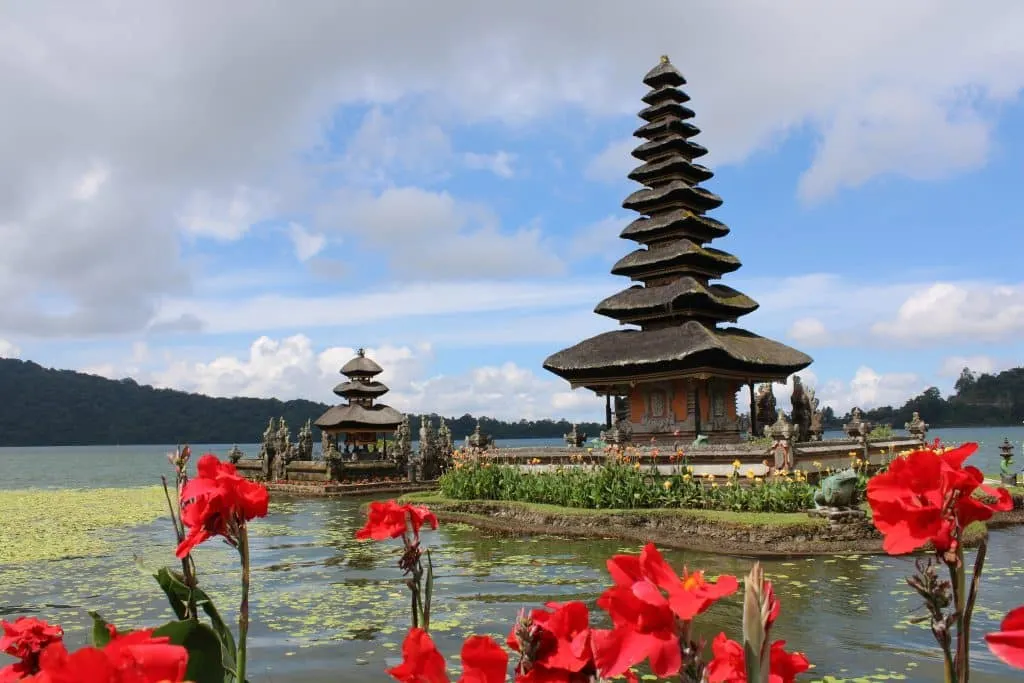
The Hawkesbury has local food, natural beauty and strong community networks, but becoming a place where people live longer and healthier lives would require more than adopting a fashionable label.
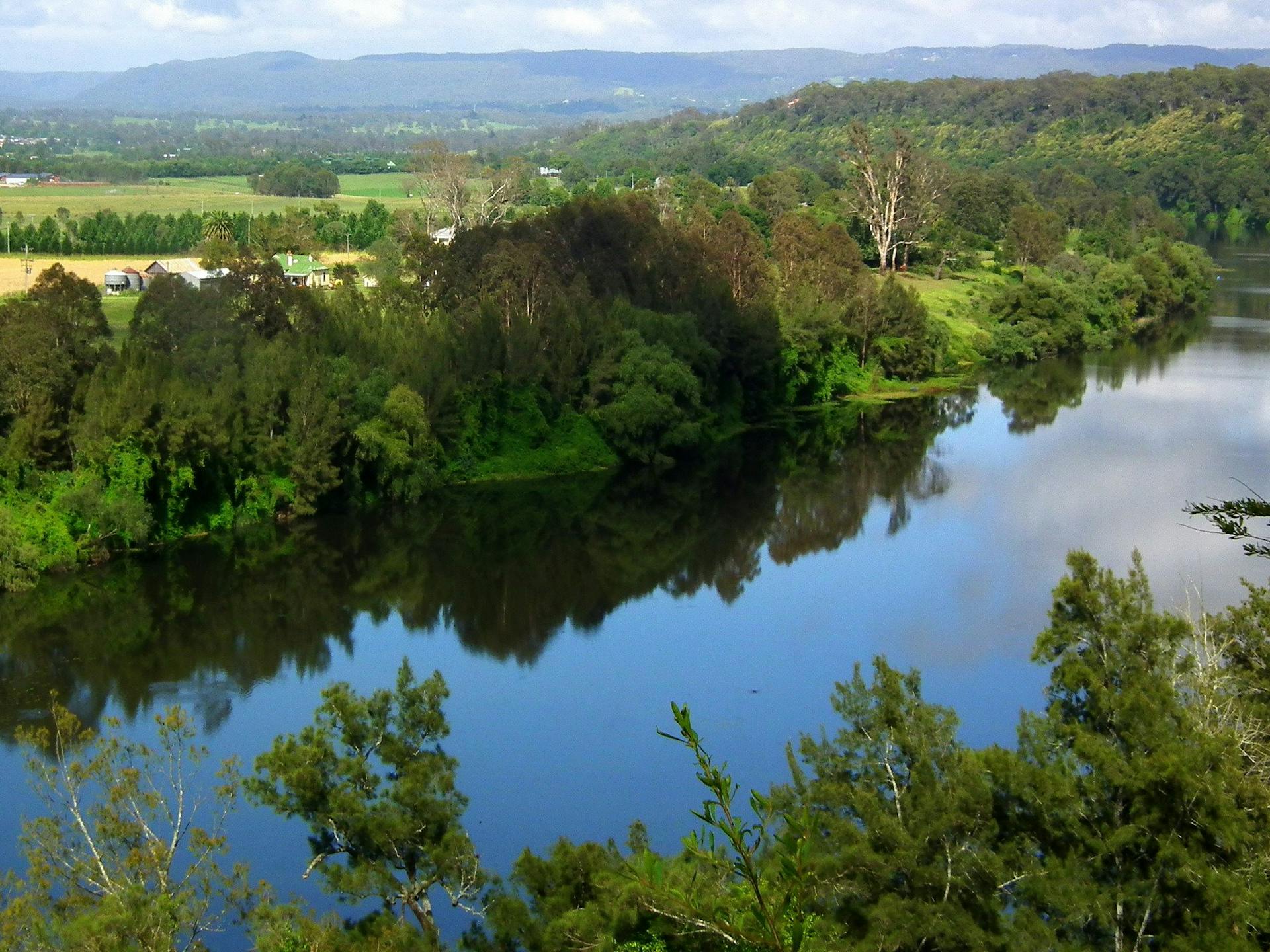
Could the Hawkesbury’s farms, villages, bushland and close community connections help residents live longer?
That question arises from international interest in “Blue Zones” regions claimed to contain unusually high concentrations of people living active and healthy lives into their 90s and beyond.
The five best-known Blue Zones are Okinawa in Japan, Sardinia in Italy, Ikaria in Greece, the Nicoya Peninsula in Costa Rica and the Seventh-day Adventist community of Loma Linda in California.
People living in these communities were said to share several characteristics: regular natural movement, predominantly plant-based diets, strong family and community relationships, lower stress, a sense of purpose and limited overeating.
Some of these qualities can already be found across the Hawkesbury.
The district produces fruit, vegetables, eggs, meat, nuts and other fresh food. Its villages retain strong volunteer networks, sporting clubs, churches, community organisations and multigenerational family connections.
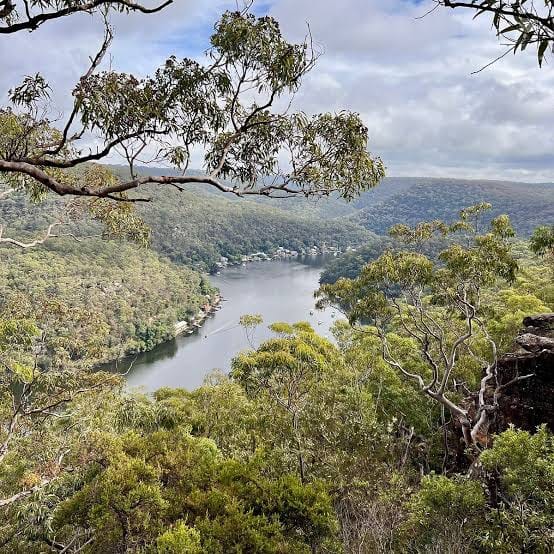
Residents also have access to national parks, waterways, walking trails and open space that many metropolitan communities can only envy.
But the international Blue Zone story is now the subject of a vigorous scientific dispute.
Did Blue Zone residents really live longer?
ABC Radio National examined the controversy in a 2024 Health Report program titled “Do people really live longer in ‘Blue Zones’?”.
Presenters Dr Norman Swan and Tegan Taylor discussed research by demographer Saul Justin Newman, who argues that some concentrations of supposed centenarians may result from inaccurate records, clerical mistakes and pension fraud rather than exceptional longevity.
Poor birth and death registration can make people appear older than they are. In some documented cases, families continued collecting pensions for people who had already died.
The Radio National program concluded that the Blue Zone concept had largely fallen apart, with the possible exception of Seventh-day Adventist communities, whose health and longevity have been examined in multiple studies.
However, that conclusion now appears too sweeping.
Later peer-reviewed research found credible, age-validated evidence of exceptional longevity in parts of Sardinia and Ikaria. Researchers also concluded that Okinawa and Nicoya had once displayed unusual longevity, although the advantage has weakened among younger generations.
The most defensible conclusion is that some historic longevity hotspots appear to have been genuine, while not every claim made under the Blue Zones banner is equally reliable.
The evidence also does not prove that copying a list of lifestyle habits will cause people to reach 100.
The Hawkesbury’s natural advantages
The Hawkesbury possesses several of the characteristics associated with healthy ageing.
Local farmers and food producers offer an alternative to diets dominated by heavily processed products. Community markets and roadside stalls can connect residents directly with seasonal produce.
Gardening, farming, caring for animals and maintaining larger properties provide natural movement that does not require a gym membership.
Many residents also participate in volunteer organisations, including rural fire brigades, sporting clubs, community groups, environmental organisations, charities and cultural associations.
That involvement creates social connection and a sense of purpose—two factors consistently associated with physical and mental wellbeing.
The Hawkesbury’s Aboriginal cultural heritage also offers a much deeper understanding of the relationship between health, Country, food, community and responsibility. Dharug and Darkinjung people have maintained connections to this landscape over thousands of years.
These are genuine strengths, but they are not shared equally by every resident.
The barriers to healthy ageing
The Hawkesbury’s geography can work against the very health benefits its environment appears to offer.
Many communities are highly dependent on cars. Residents may live kilometres from shops, medical services, public transport and safe walking or cycling routes.
A person living in an isolated rural locality may be surrounded by natural beauty but unable to walk safely to buy food, see friends or attend an appointment.
Older residents who stop driving can lose independence rapidly. Limited public transport can turn geographic isolation into social isolation.
Access to general practitioners, specialists and mental-health services is another challenge. Travelling outside the district for treatment places additional pressure on older people, people with disabilities and their carers.
Floods and bushfires add further risks. Repeated disasters can interrupt medical care, destroy homes, damage local food production and create long-term psychological stress.
Housing affordability also matters. A region cannot claim to support healthy ageing if younger people are forced to leave, older residents cannot maintain their homes, or essential workers cannot afford to live near their workplaces.
Nor is access to fresh local produce automatic. Food grown in the Hawkesbury may be sent to metropolitan markets while some local families rely on cheaper, highly processed food.
A healthier Hawkesbury would need deliberate planning
The most useful lesson from the Blue Zones debate is that health is influenced by the places in which people live.
Telling residents to exercise more is of limited value if footpaths are missing, roads are dangerous and shops can be reached only by car.
Encouraging healthy eating will not be enough if fresh food is less accessible or more expensive than processed alternatives.
Urging older people to remain socially connected will achieve little if transport, affordable venues and community services are unavailable.
A serious Hawkesbury healthy-ageing strategy could include:
- connected and shaded walking routes through towns and villages;
- safer cycling infrastructure;
- better community and public transport;
- protection of agricultural land and local food production;
- stronger links between farmers, schools, hospitals and local consumers;
- community gardens and accessible outdoor exercise areas;
- support for sporting, cultural and volunteer organisations;
- more opportunities for older residents to share skills and participate in civic life;
- improved access to preventative health care; and
- planning for social connection during floods, fires and other emergencies.
The objective should not be to market the Hawkesbury as a magical place where people automatically live to 100. It should be to make healthy choices easier for every resident, regardless of age, income, disability or postcode.
Could it become a Blue Zone?
The Hawkesbury could not simply declare itself a Blue Zone.
A genuine claim of exceptional longevity would require decades of reliable birth, death and health data demonstrating that local people live significantly longer and remain healthier than comparable populations.
“Blue Zones” is also a commercial brand used for community health programs, so becoming an officially recognised Blue Zones community would involve a separate assessment and partnership process.
But the Hawkesbury does not need to purchase a label before taking the underlying ideas seriously.
Its local agriculture, natural environment, village identity and tradition of volunteering provide a strong foundation. Its weaknesses, car dependence, unequal access to services, development pressure, disaster exposure and isolation are equally clear.
Perhaps the better question is not whether the Hawkesbury can become an officially branded Blue Zone.
It is whether governments, businesses and the community are willing to build a Hawkesbury in which local food is accessible, daily movement is safe, older people remain connected and every resident has the opportunity to live a longer and healthier life.
That would be worth pursuing, with or without a blue circle drawn around it.