A proposed review of Hawkesbury City Council’s media policy has triggered growing debate over press freedom, transparency, public accountability and the role of local government in determining who qualifies as legitimate media.
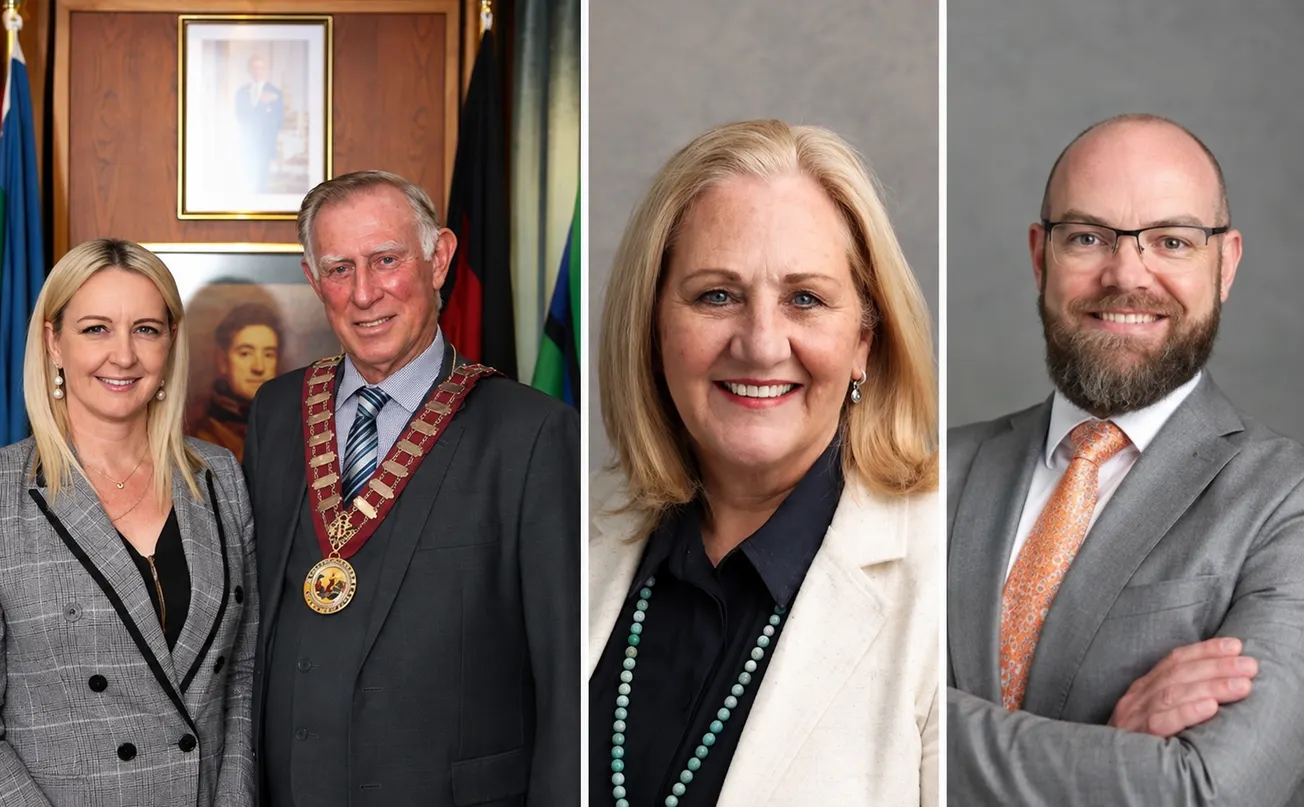
The Notice of Motion, put forward by Cr Mary Lyons-Buckett and passed by a majority of Councillors, calls for a workshop and review of Council’s media and communication processes, including the engagement of an external facilitator or consultant to guide discussions.
The proposal follows ongoing controversy surrounding the exclusion of the Hawkesbury Gazette and Hawkesbury Radio from Council premises under alleged workplace health and safety concerns relating to psychosocial hazards.
Supporters of the review argue council requires clearer and more contemporary communication frameworks as journalism increasingly operates across online publications, podcasts, livestreams, social media and independent community outlets rather than solely through traditional newspapers and broadcasters.
Critics, however, argue the issue strikes at the core of democratic transparency.
During debate on the motion, Cr Nathan Zamprogno strongly questioned both the necessity and intent of the proposed review, arguing Council’s existing media policy was only updated in December 2023 following extensive debate on many of the same issues now being revisited.
He noted the policy was designed to ensure Council communications remained accurate, fair, balanced and transparent; not to determine which organisations qualified as legitimate media outlets.
“It does not appear to be the function of a media policy to vet, or define who qualifies as a media organisation,” Councillor Zamprogno said.
The debate also highlighted the rapid transformation of the media landscape following the collapse of many traditional regional newspapers and the rise of independent journalism, online platforms, citizen reporting and volunteer-driven media organisations.
“I certainly wish that we still lived in a world where regional newspapers were a going concern,” Councillor Zamprogno told the chamber while discussing the decline of traditional local journalism models.
The councillor also questioned the need for additional ratepayer-funded consultants to review a policy revised only two-and-a-half years ago.
“We do not need to get an expensive outside consultant,” he said.
The proposal has also intensified broader community discussion about the use of workplace health and safety frameworks within public institutions.
Under NSW law, councils are required to provide psychologically safe workplaces for staff and councillors. However, critics argue those obligations must also be balanced against democratic scrutiny, public accountability and freedom of the press within publicly funded institutions.
The controversy has divided opinion across the Hawkesbury.
Supporters of the review argue councils face increasing reputational and governance risks in a rapidly evolving digital communication environment.
Critics warn that allowing government institutions to determine who qualifies as “legitimate media” risks creating perceptions of institutional gatekeeping, selective access and restrictions on critical journalism.
Cr Zamprogno also referenced a personal conflict disclosure connected to the debate. Cr Lyons Buckett is the sister-in-law of the Publisher of the Gazette.
“I will pass over the fact that the person who was most likely to be affected by this alteration [is] her sister in law,” he said.
The Hawkesbury Gazette discloses that Councillor Lyons-Buckett has familial ties to the Publisher of the Gazette. The Gazette maintains editorial independence and publishes this disclosure in the interests of transparency and accountability to readers.
The Hawkesbury Gazette’s position is that:
“Local councils are public institutions funded by ratepayers and entrusted with decisions affecting the broader community. Excluding sections of local media, particularly independent or community-based outlets, inevitably raises concerns about fairness, access to information and the public’s right to scrutinise Council activities.”
RELATED STORIES
Emotional Council Debate on Media Ban Ends With Call for Ministerial Intervention 18 May 2026
What are psychosocial hazards? EXPLAINER 15 May 2026