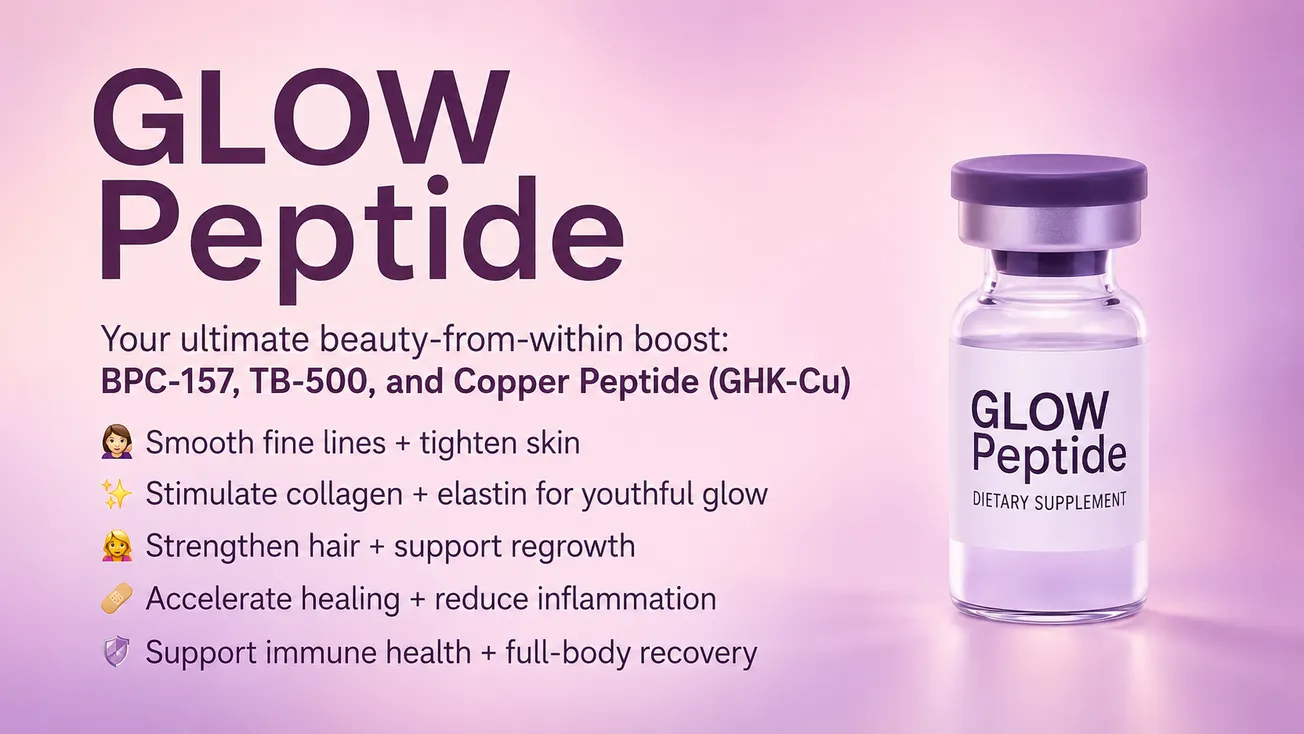
Australians are being warned about the risks of buying and using unapproved peptide products, with the nation's medicines regulator increasing its compliance focus after detecting growing unlawful importation, advertising and supply of the products.
The Australian Therapeutic Goods Administration (TGA) has identified products marketed with ingredients such as BPC-157, TB-500, GHK-Cu, retatrutide and CJC-1295 as part of its current compliance focus. Consumers are urged to approach these products with caution and consult their doctor.
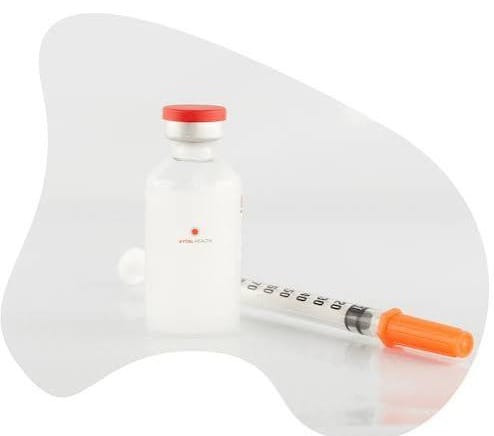
The Therapeutic Goods Administration (TGA) says unapproved peptide products are increasingly being marketed online for performance enhancement, anti-ageing, weight loss, body composition, injury recovery and general wellness.
One of the TGA's biggest concerns is that consumers often have no way of knowing exactly what they are injecting. The regulator says many peptide products entering Australia arrive in unmarked or poorly labelled vials that do not identify the active ingredient, concentration or dosage.
TGA Chief Medical Advisor Professor Robyn Langham warned that "the biggest risks with unapproved peptide products are not knowing what's in the vial. There is no way of knowing how much of the peptide is in there, whether the contents are sterile or whether there are other contaminants or toxins in there that you risk administering to yourself."
Announcing the crackdown, Professor Anthony Lawler, Head of the Therapeutic Goods Administration, said the regulator had become increasingly concerned about the growing market.
"As the availability of unapproved peptide products has increased, so too has evidence of potential risk to consumers," Professor Lawler said.
Peptides are short chains of amino acids the building blocks of proteins – that occur naturally in the human body and play an important role in regulating hormones, metabolism, immune function and tissue repair.
Many peptide-based medicines are legally prescribed in Australia for conditions such as diabetes, obesity, fertility treatment and hormone disorders after undergoing rigorous assessment by the TGA.
However, the regulator's warning relates to unapproved peptide products that have not been evaluated for safety, quality or effectiveness and are often purchased through overseas websites or social media.
The TGA says unapproved therapeutic goods are products that are not included on the Australian Register of Therapeutic Goods (ARTG), meaning they have not undergone Australia's regulatory approval process.
The regulator has warned that some imported peptide products may be incorrectly labelled, contain the wrong ingredients or dosage, be contaminated or manufactured without appropriate sterile controls.
The concern is particularly serious where products are injected.
Professor Lawler urged Australians to think carefully before purchasing peptide products online.
"Australians should be very cautious about buying unapproved peptide products online, particularly from overseas websites or through online platforms or social media. If you don't know exactly what's in the vial, where it was made or whether it's sterile, you could be putting your health at serious risk," he said.
Who is using peptides?
Health authorities say interest in peptides has grown rapidly over the past few years, particularly among:
- people seeking rapid weight loss;
- bodybuilders and fitness enthusiasts looking to increase muscle mass or improve recovery;
- amateur and elite athletes seeking performance or recovery benefits;
- people interested in anti-ageing and longevity treatments;
- social media users influenced by wellness and biohacking trends;
- individuals looking for alternatives to prescription medicines.
Many of these products are promoted through social media influencers, online fitness forums, wellness websites and overseas suppliers using claims that they can accelerate healing, burn fat, improve sleep, increase energy, sharpen mental performance or reverse ageing.
The TGA says consumers should approach these claims with caution because many have not been independently assessed.
The regulator has identified products marketed with ingredients such as BPC-157, TB-500, GHK-Cu, retatrutide and CJC-1295 as part of its current compliance focus.
Some of these products are promoted for tendon and muscle repair, while others claim to stimulate growth hormone production, improve skin quality or assist with weight loss.
The TGA says it is actively monitoring unlawful importation, advertising and supply of these products and may take regulatory action where serious non-compliance is identified.
Enforcement action can include product seizures, import interventions, infringement notices and, in serious cases, civil or criminal penalties.
The warning is particularly relevant to Hawkesbury residents because many of these products are marketed almost exclusively online, making them readily accessible to consumers despite not being approved for use in Australia.
The products are often presented using scientific language and marketed as cutting-edge health, recovery or longevity treatments.
However, the TGA says consumers should not assume a product is safe simply because it is described as a peptide or promoted as a health optimisation product.
Health professionals and consumers are also being urged to report suspected unlawful advertising or supply of unapproved therapeutic goods.
The TGA's message is clear: approved peptide medicines have an important place in modern healthcare, but unapproved products bought online may expose users to serious and unpredictable health risks.
Anyone considering peptide treatment should first consult their doctor or specialist and confirm the medicine has been approved for use in Australia.