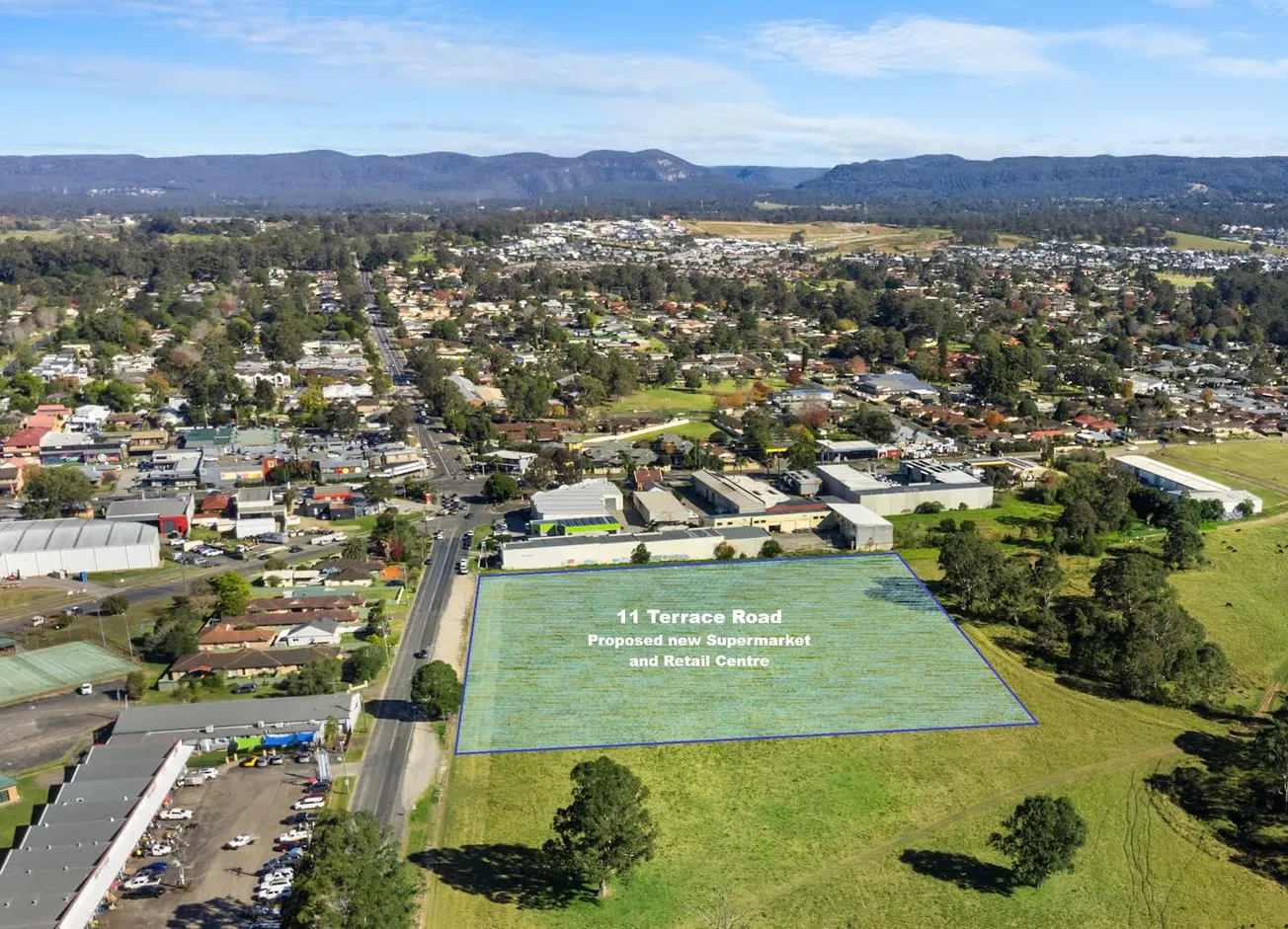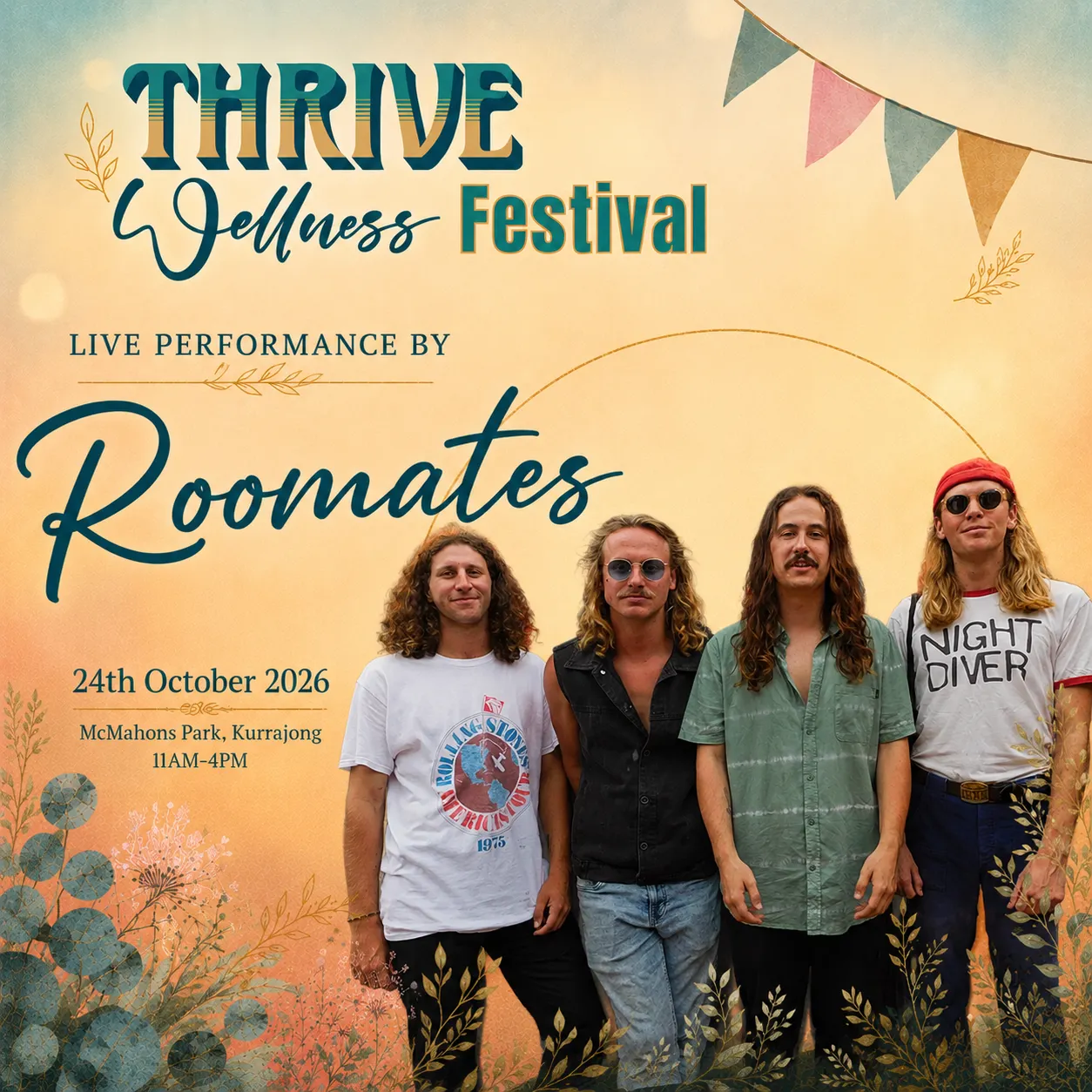
Anti-immigration signs in Richmond. A social media post on an Oakville community page calling for “anti-immigration youth activism.” The Deputy Mayor photographed at a “March for Australia” rally. The Hawkesbury’s long tradition of welcoming newcomers is being tested as the national migration debate spills into local streets and social media feeds.

The issue was raised in the NSW Parliament last month by Peter Primrose MLC, who represents constituents in north-west Sydney. Mr Primrose warned of “increasingly divisive rhetoric” on migration and multiculturalism in the growing outer suburbs, including the Hawkesbury.
He said one of the “most distressing developments” in recent months had been the adoption of “massmigration” language by mainstream political figures.
“In the past, all major political parties have largely promoted social cohesion and brought people together. Now is the time for all of us to proclaim that we are proud of our multicultural community and that we respect and welcome the contributions of everyone in our society, regardless of where they come from or their visa status.” Peter Primrose MLC, NSW Legislative Council.
What “mass migration” means
The phrase “mass migration” has no official definition under Australian law. Critics of current migration levels use it to describe rapid population growth and the pressure it places on housing, infrastructure and services. Others argue it can fuel fear and resentment towards migrant communities, particularly when paired with misinformation about specific ethnic groups.
Official Australian Bureau of Statistics figures show that migration is, in fact, declining from its post-COVID peak.
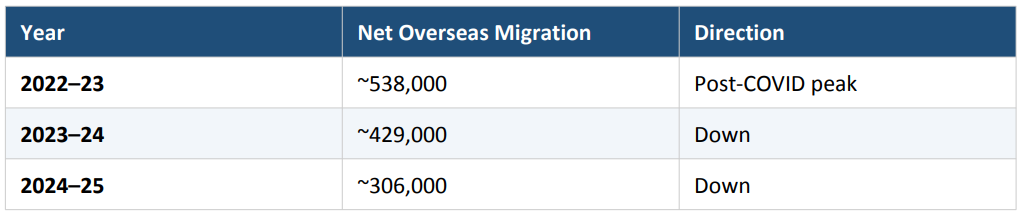
The post-COVID spike was largely driven by international students, working holiday makers and temporary skilled workers returning to Australia after border closures were lifted. Current forecasts suggest migration will continue to ease towards 260,000–300,000 annually as the Federal Government tightens student visa settings and brings migration closer to pre-COVID long-term averages.
What’s happening in the Hawkesbury?
Despite all the heat in the national debate, the Hawkesbury’s direct overseas migration intake is small.
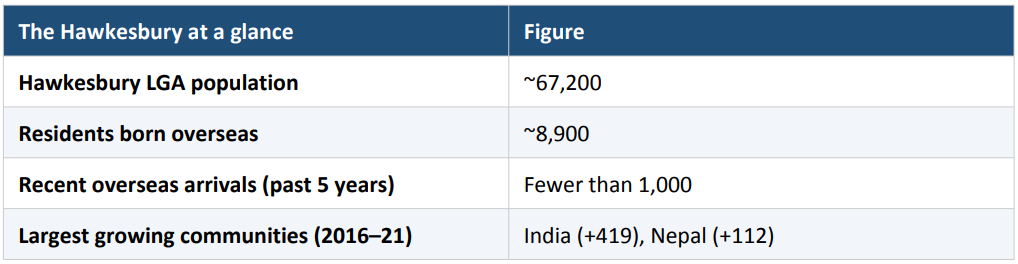
Australian Bureau Statistics (ABS) data show that most of the population growth in the Hawkesbury is driven by people moving in from other parts of Sydney, particularly Blacktown, rather than by direct overseas migration.
Hawkesbury is also classified as a “regional area” under Federal migration settings, which matters because local industries, including agriculture, horticulture, transport, aged care, construction and logistics, increasingly rely on regional and skilled migration to fill workforce shortages. Western Sydney University and TAFE NSW both have campuses in Richmond that attract overseas students.
A longer history of welcome
The Hawkesbury’s connection to migration is not new. From 1949 to 1964, the Scheyville Migrant Camp on the region’s outskirts operated as the nation’s first migrant accommodation centre, taking in around 1,500 people a year from more than 22 countries, many of them displaced persons fleeing post-war Europe, as they transitioned to private housing and stable employment.
A significant number settled in the Hawkesbury, establishing themselves as market gardeners, turf farmers and small business owners. Their children, grandchildren and great-grandchildren are part of the Hawkesbury community today, running businesses, volunteering during floods and bushfires, and helping to shape the district’s identity.
In that sense, the cultural diversity now arriving with Western Sydney’s growth is less a departure from the Hawkesbury’s character than a continuation of a story the region has lived before, one it has, by most measures, handled well.

The Hawkesbury Gazette asked Cr McMahon what message she was intending to send to residents by attending and promoting the March for Australia rally. A copy of her response is included at the end of this article.
Hawkesbury's workforce
Migrant workers play a significant role in industries already facing shortages across the Hawkesbury and outer Sydney, including transport, logistics, healthcare, construction, agriculture and aged care.
The NSW Government has committed $6.5 million over four years to establish the State’s first Migrant Workers Centre to support workers facing exploitation. The Transport Workers’ Union put the principle plainly:
“Whether you have a 60,000-year heritage in Australia or arrived last week, no worker in Australia should have fewer rights than another.” Transport Workers’ Union
Protecting migrant workers matters to everyone. When workers are underpaid because they fear losing their visa, don’t fully understand Australian workplace laws, or face language barriers, it drags down wages and conditions across the board and rewards employers who are doing the wrong thing.
The widely publicised 7-Eleven scandal, in which migrant workers, many from Indian backgrounds, were systematically underpaid across hundreds of stores, sparked a national debate about visa vulnerability and the need for stronger protections.
A call for respectful debate
Supporters of stronger migration limits argue that their concerns are primarily about housing affordability, infrastructure strain and the pace of population growth, not race or ethnicity. These are legitimate questions that deserve serious answers.
But emotionally charged language and misinformation, particularly when they single out specific ethnic groups, fuel division in places that have until now prided themselves on the opposite. The Hawkesbury’s strongest tradition is the one shown in every flood and bushfire, when residents of every background work side by side to look after each other. That tradition is worth defending.
NEXT EDITION
An explainer on the categories at the heart of the migration debate, including citizen, permanent resident, and temporary visa holder. What each can and cannot do, where the 185,000 permanent migration figure comes from, and why it’s different from “net overseas migration.”
Below is a copy of the questions put by the Gazette to Deputy Mayor Cr McMahon and the Council response.
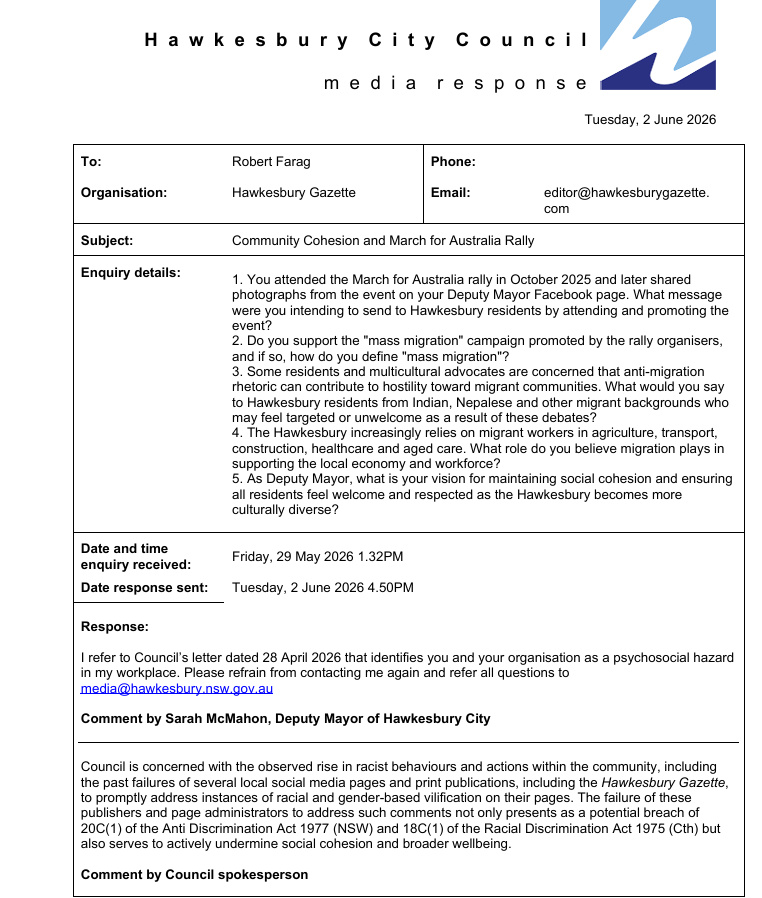
The Gaztte denies the allegations contained in Hawkesbury Council response. Hawkesbury Council appears to have adopted a victim-versus-critic framework that makes it difficult for decision-makers to objectively reassess previous actions.