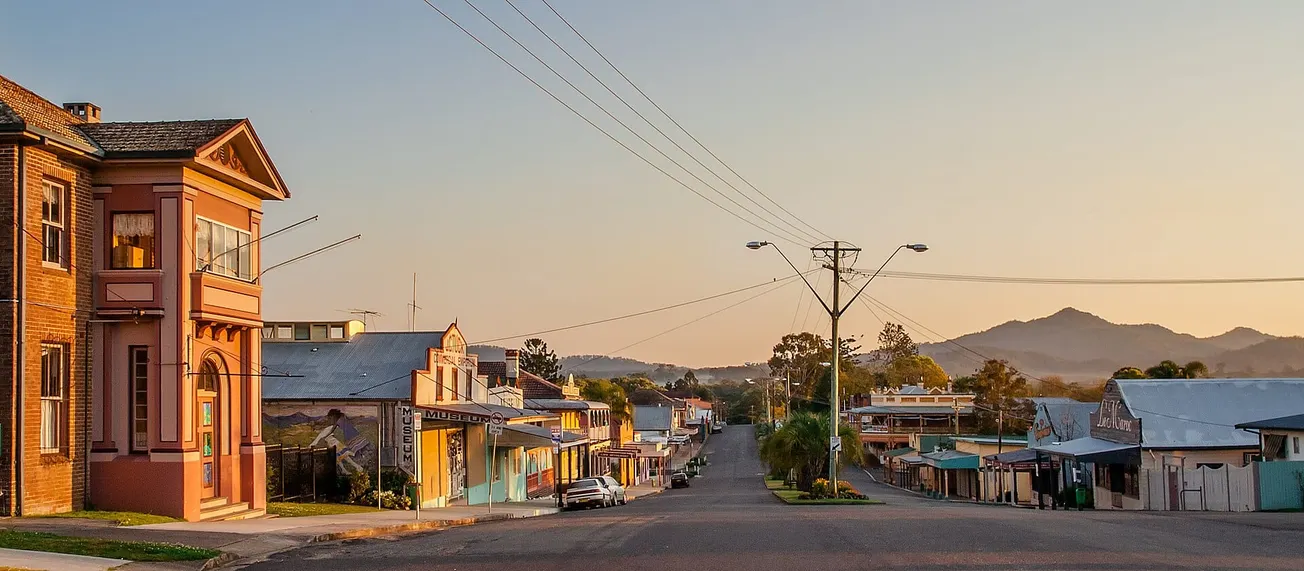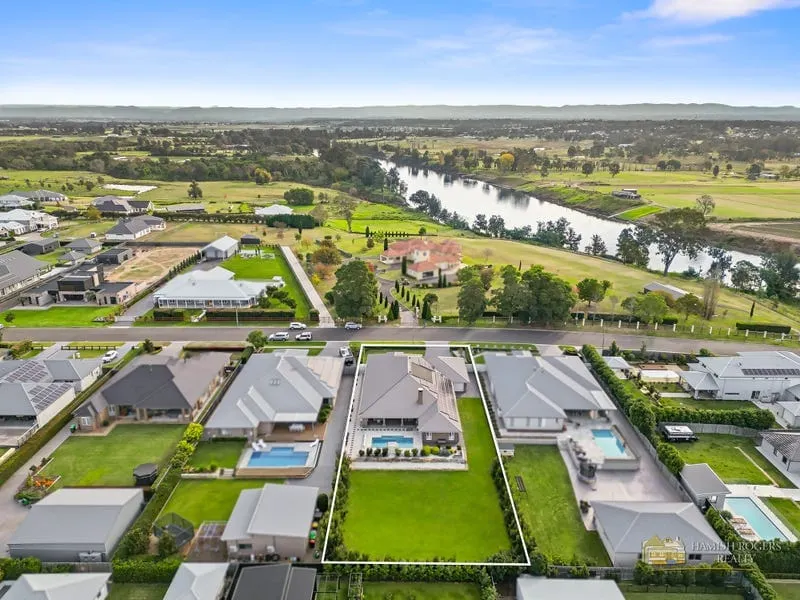
Australia’s regional property markets have begun to decline, but the impact across the Hawkesbury is likely to vary sharply between suburbs and property types.
Australia’s housing downturn has entered a new phase, with falling values spreading beyond capital cities and into regional property markets that had previously proven more resilient.
New analysis from property data company Cotality found the combined value of regional dwellings fell by 0.1 per cent during the three months to July 2026.
That was considerably smaller than the 2.5 per cent fall recorded across the combined capital cities, but it represents a significant change in direction for regional Australia.
Cotality examined the country’s 50 largest non-capital regional markets and found that 47 had experienced slower growth compared with the previous quarter. Twenty-two recorded an outright decline in dwelling values.
Regional NSW and Victoria were among the weakest-performing areas, reflecting the broader loss of momentum across the Sydney and Melbourne markets.
While the Hawkesbury contains extensive rural and semi-rural communities, it is generally included within Greater Sydney for statistical purposes. It is therefore not directly represented by Cotality’s regional market figures.
However, the district sits at the meeting point of metropolitan and regional housing markets and is exposed to many of the same pressures now affecting both.
Hawkesbury buyers commonly compare properties across north-western Sydney, the Blue Mountains, the Central Coast, the Southern Highlands and other regional lifestyle markets. A slowdown across those areas could increase the choices available to buyers and place pressure on vendors to set realistic asking prices.
The local market is unlikely to move uniformly.
Suburbs dominated by standard residential homes may respond differently from acreage, farming, flood-affected, mountain and prestige properties. In smaller Hawkesbury communities, a limited number of sales can also produce large movements in reported median prices without necessarily showing a general rise or fall in the value of every property.
Buyers pushed to their limits
Cotality head of research Gerard Burg said higher interest rates and worsening affordability had pushed many prospective purchasers out of the market.
The Reserve Bank has increased interest rates three times during 2026 and left the official cash rate at 4.35 per cent at its August meeting.
Higher mortgage repayments, cost-of-living pressures and reduced borrowing capacity mean fewer people are ready or able to buy.
The resulting decline in competition has left properties on the market for longer and given remaining buyers greater room to negotiate.
For Hawkesbury residents with large mortgages, even a relatively small increase in interest rates can add hundreds of dollars to monthly repayments. Prospective buyers may also find that banks will lend them substantially less than they could have borrowed when interest rates were lower.
The slowdown comes after extraordinary price growth in many outer-metropolitan and regional areas during and after the COVID-19 pandemic.
Demand for larger homes, acreage and lifestyle properties increased as Australians sought more space and greater flexibility to work from home. The Hawkesbury was among the areas that attracted buyers looking beyond inner and middle-ring Sydney.
But the combination of high purchase prices and increased borrowing costs has made those same lifestyle markets particularly sensitive to changes in demand.
Expensive regional areas, including the NSW Central Coast and Victoria’s Mornington Peninsula, have recorded larger falls, while some comparatively affordable regional markets continue to grow.
Tax changes add uncertainty
REA Group senior economist Anne Flaherty said changes to negative gearing and capital gains tax arrangements announced in the May federal budget had also reduced investor demand.
The reforms are due to take effect next year, but the announcement appears to have already influenced purchasing decisions.
A reduction in investor activity could place further downward pressure on prices, particularly for apartments and investment properties. However, fewer investors could also tighten the rental market if the number of properties available to tenants declines.
That presents a mixed outcome for first-home buyers. Lower prices and less competition may create opportunities, but higher interest rates continue to restrict how much they can borrow and what they can afford to repay.
PropTrack’s July Home Price Index recorded a 0.3 per cent fall in Australian home prices during the month. Regional house prices declined by 0.1 per cent, while regional unit prices increased by 0.2 per cent.
The difference shows that Australia does not have one uniform property market. Results vary between states, cities, towns, suburbs and types of housing.
Confidence becomes part of the downturn
Domain chief residential economist Nicola Powell said weak consumer confidence was also causing Australians to postpone property decisions.
Some buyers are reluctant to enter the market while prices are falling because they fear a home purchased today may be worth less in the near future.
That caution can reinforce the downturn: fewer buyers compete for properties, homes take longer to sell and vendors become more willing to negotiate.
For Hawkesbury sellers, the changing conditions mean prices achieved during the market’s peak may no longer provide a reliable guide. Properties that require substantial maintenance, carry flood or bushfire risks or have difficult insurance and access issues could face greater buyer scrutiny.
Buyers, meanwhile, may have more time to undertake building, pest, planning, flood and bushfire investigations instead of making rushed decisions in a highly competitive market.
Cotality expects regional dwelling values to continue weakening over coming months because changes in interest rates usually take time to flow fully through the housing market.
The figures point to a market that is cooling rather than collapsing. Regional values have so far fallen only modestly and continue to outperform the capital cities.
But for the first time in the current cycle, the slowdown is having an impact across almost every part of Australia’s housing market including the outer-metropolitan and lifestyle areas with which the Hawkesbury competes for buyers.