The May 2026 Federal Budget has delivered one of the most significant shake-ups to Australia's property investment landscape in decades - and the ripple effects will be felt right across the Hawkesbury.
In a move that has divided economists, real estate agents and investors, the Albanese Government has announced it will limit negative gearing to new builds from 1 July 2027, with the stated aim of directing tax incentives toward increasing housing supply rather than supporting competition for existing homes.
From 1 July 2027, negative gearing on established residential properties will be abolished for any property purchased after 7:30pm on 12 May 2026 – budget night. Investors who purchase an established property from that point forward will no longer be able to offset rental losses against salary or other personal income. Instead, losses can only be carried forward and offset against residential rental income or future capital gains.
The Budget also replaces the existing 50 per cent capital gains tax discount with cost base indexation and introduces a 30 per cent minimum tax rate on capital gains – a change that fundamentally alters the long-term investment equation for property holders.
Critically, properties already held before Budget night are fully grandfathered. Existing investors will not be affected by the changes, provided they don't acquire new established properties after the cut-off.
For Hawkesbury investors who already own property, the grandfathering provision offers significant protection — existing holdings remain subject to the old rules, preserving the tax advantages that have underpinned investment strategies across the region for years.
But for anyone who was considering purchasing an established investment property — whether a cottage in Windsor, a house in Richmond or a rental in McGraths Hill — the calculus has changed dramatically. Properties purchased after Budget night will be subject to the new rules from July 2027, meaning buyers need to go in with clear eyes about the reduced tax advantages on offer.
The broader market impact is also worth watching. Commonwealth Bank has forecast that house prices nationally could be around three per cent lower than they otherwise would have been as a result of the changes. For a median-priced Hawkesbury property, that could translate to a meaningful shift in values, which is welcome news for first-time home buyers, but a headache for investors who purchased recently and were counting on capital growth to justify their position.
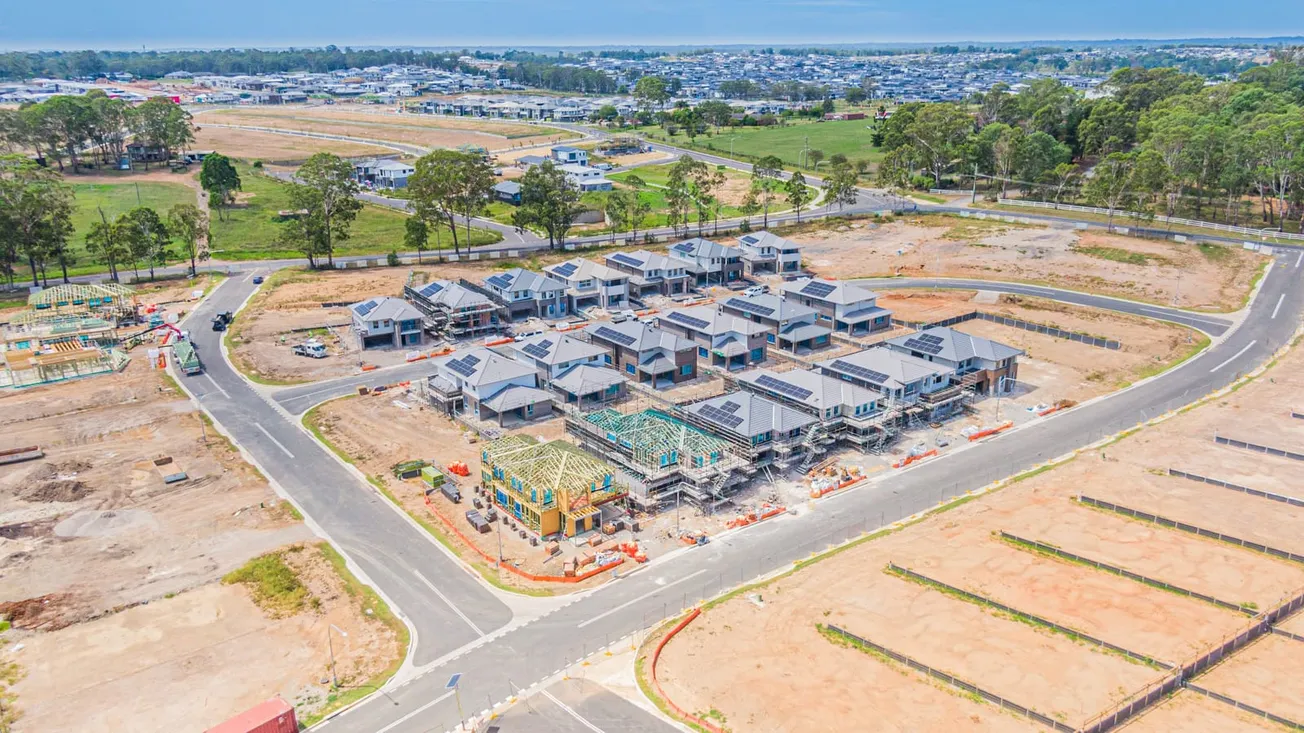
The policy is designed to redirect investment toward new housing construction. Negative gearing will remain fully available for newly built properties, meaning investors who purchase off-the-plan or newly completed homes will retain the tax advantages that established property buyers are losing.
For the Hawkesbury, where a number of new residential developments – including Glossodia Rise, Jacaranda Ponds and Hambledon Park – are either underway or in planning, this could prove significant. Developers and project marketers are likely to move quickly to position new stock as the tax-advantaged option for investors who still want to enter the market.
For Hawkesbury residents with existing investment properties, the immediate priority is to confirm their holdings were in place before Budget night and understand exactly what the grandfathering provisions cover. For those who were considering entering the market, the window to purchase an established property under the old rules has already closed; but the new build pathway remains open.
The changes reflect a significant philosophical shift in how the federal government views property investment – away from tax-subsidised competition for existing homes and toward incentivising new supply. Whether that translates into more housing and lower prices, or simply dampens investment activity, remains to be seen. What is clear is that the Hawkesbury property market - like every other market across the country, is entering a new chapter.
This article contains general information only and does not constitute financial or taxation advice. Readers should seek independent professional advice regarding their individual circumstances.