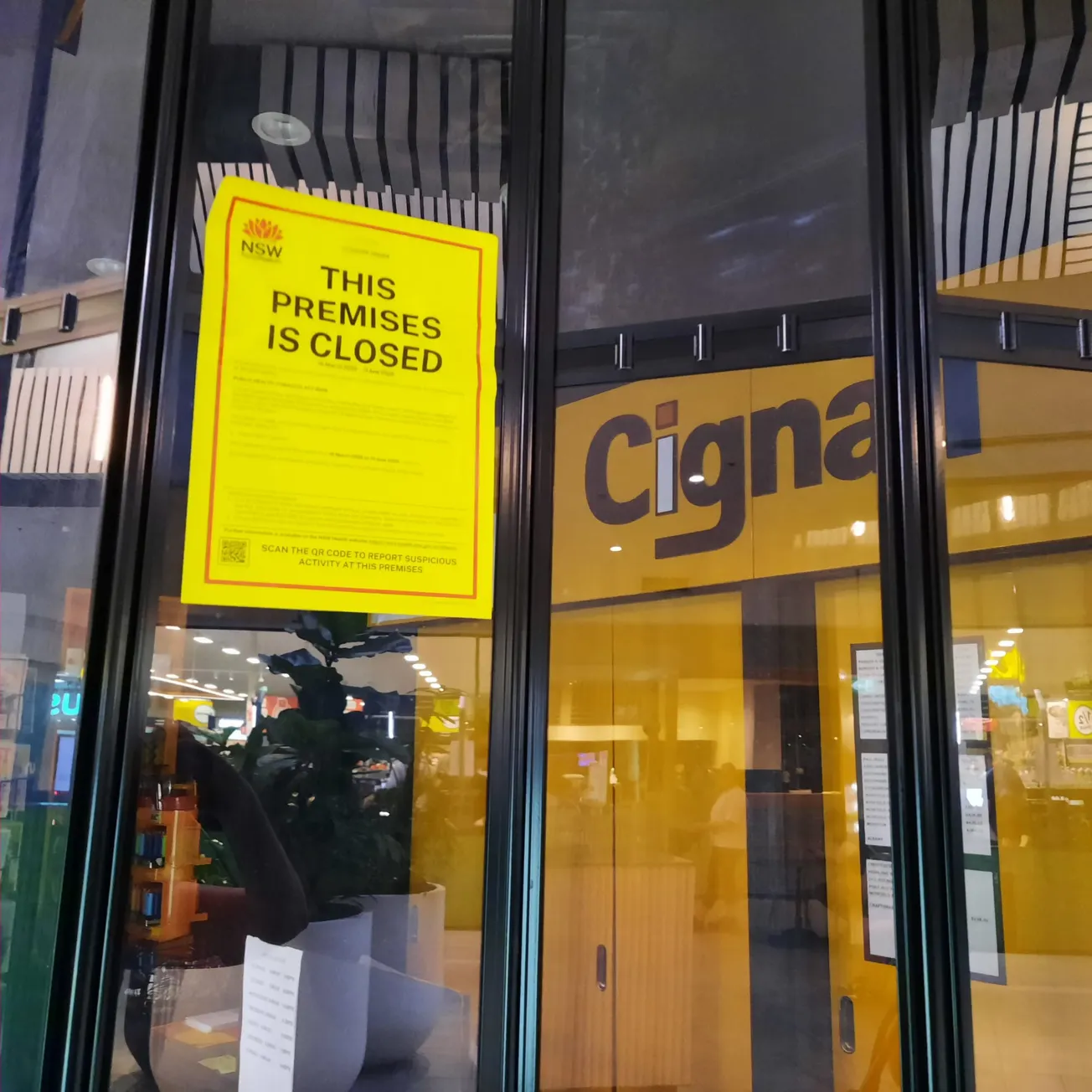
A national political debate over tobacco taxes, organised crime and the booming black market tobacco trade has reached the Hawkesbury, where a tobacconist at Richmond Marketplace remains closed following action by NSW Health.
The closure comes as Federal Parliament continues to grapple with the unintended consequences of Australia's tobacco excise regime, with some politicians, economists and state leaders arguing that ever-increasing tobacco taxes have fuelled the growth of an illicit tobacco market now worth billions of dollars.
The issue has become one of the most contentious public policy debates in Australia.
Legal cigarettes in Australia are among the most expensive in the world, with tobacco excise accounting for around 70 to 75 per cent of the retail price of a packet of cigarettes. Successive governments have increased excise rates as a public health measure designed to reduce smoking rates.
However, critics now argue the policy may have reached a tipping point.
Recent Australian Bureau of Statistics data indicates nicotine consumption has increased significantly despite declining legal tobacco sales, with authorities attributing much of the growth to illicit tobacco and vaping products. Some estimates suggest illegal products now account for the majority of tobacco consumed in Australia.
The Federal Government has responded by introducing tougher penalties and enhanced enforcement powers through the Combatting Illicit Tobacco Bill 2026, which targets organised crime groups involved in the illegal tobacco trade. The legislation proposes stronger penalties for importing, possessing, manufacturing and selling illicit tobacco products.
At the same time, a Senate inquiry is examining what has been described as Australia's illicit tobacco crisis. The inquiry is investigating the role of organised crime, enforcement effectiveness and the impact of taxation policy on the black market.
One Nation leader Pauline Hanson has used the debate to call for a 50 per cent reduction in tobacco excise, arguing that lower prices would reduce the profitability of illegal tobacco sales and undermine criminal networks. NSW Premier Chris Minns has also publicly linked high tobacco taxes to the growth of the black market, although the Federal Government has so far rejected calls to reduce excise rates.
Against that backdrop, enforcement activity has intensified across New South Wales.
NSW Health inspectors have conducted numerous compliance operations targeting retailers suspected of selling illicit tobacco and illegal vaping products. Under NSW law, retailers other than pharmacies are prohibited from selling vaping goods regardless of whether they contain nicotine.
The debate has particular relevance in the Hawkesbury following the closure of the Cignall tobacconist at Richmond Marketplace.
The store remains closed following enforcement action and has become a visible reminder of the wider battle being fought between regulators and the illicit tobacco market.
NSW Health has repeatedly stated that the sale of illicit tobacco and illegal vaping products is not a victimless crime, arguing that organised criminal networks are increasingly involved in the supply chain.
Federal authorities have similarly warned that illicit tobacco has become a significant organised crime enterprise, with recent enforcement operations across Australia seizing millions of illegal cigarettes, large quantities of loose tobacco and tens of thousands of vaping products.
The key question now confronting policymakers is whether tougher enforcement alone can solve the problem or whether Australia's tobacco taxation system itself requires reform.
For Hawkesbury residents, the answer may ultimately determine whether closures such as the Richmond Marketplace tobacconist become increasingly common as governments intensify efforts to disrupt the illicit tobacco trade.
The Senate inquiry into the illicit tobacco crisis is due to report later this month.
EXPLAINER: What Is Tobacco Excise?
- Federal tax applied to tobacco products.
- Increased annually in addition to indexation.
- Designed to reduce smoking rates.
- Generates billions in Commonwealth revenue.
- Critics argue it has fuelled the growth of a black market.
- Supporters argue high prices remain one of the most effective public health measures for reducing smoking.