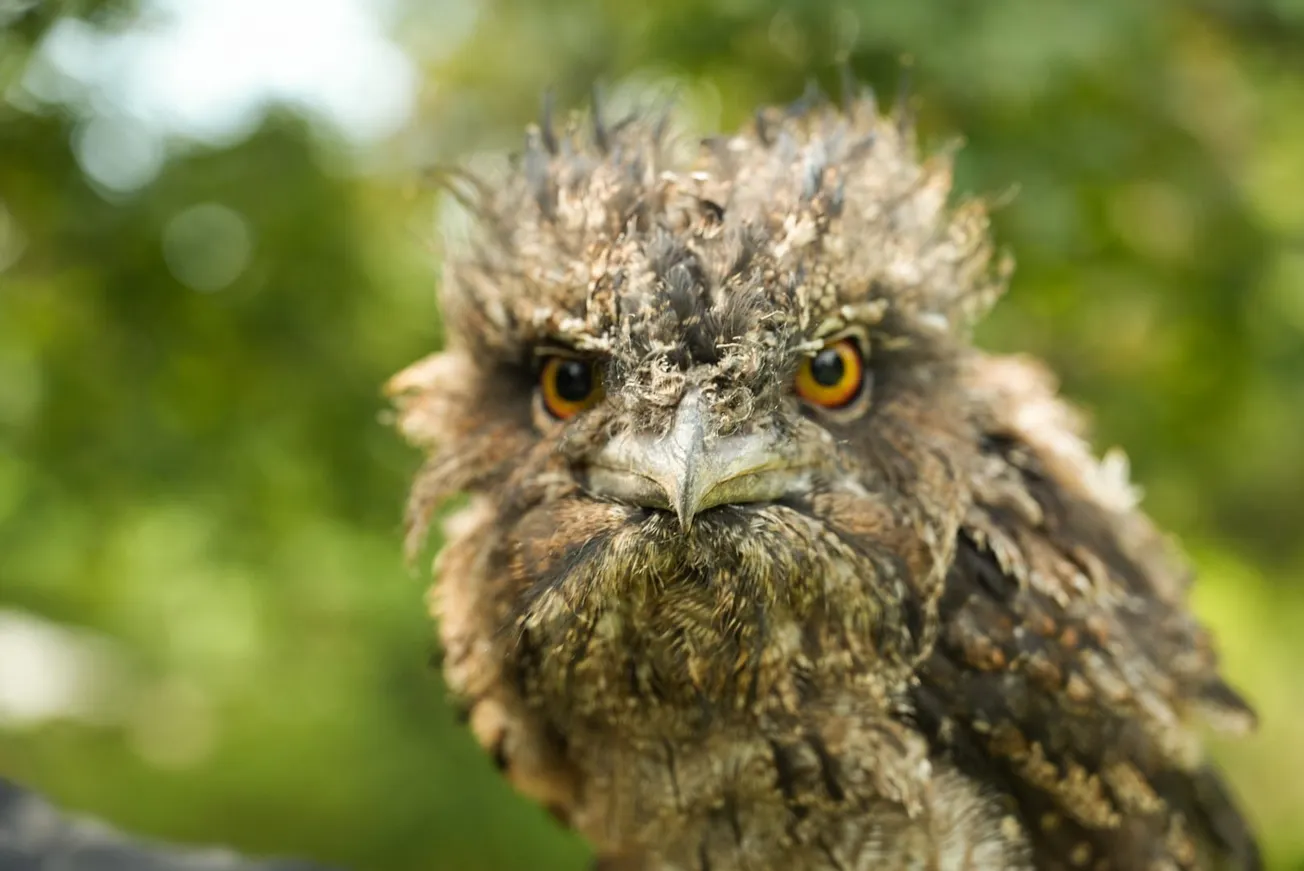
On a clear, starry night, there’s something special about hearing the soft hoot of an owl. We don’t often see them, active at night and perfectly camouflaged during the day, but they’re out there. Owls are quietly hunting the rats and possums that have adapted to live alongside us.
That should be good news. Owls, tawny frogmouths and other native hunters give us free, natural rodent control. But sadly, the very food they rely on has been putting them at risk. When rats and mice eat rat bait, the poison persists in their bodies. Any animal that later eats the baited rat, including owls, tawny frogmouths, quolls, goannas and even domestic pets, can be poisoned too.
However, recent regulatory changes are set to restrict the use and sale of some of the most dangerous rat baits. Once they come into effect, this could be one of the biggest wins for Australian wildlife in years. Bunnings has moved early, removing these products from their shelves already.
So, how to get rid of that mouse in your house? There are many ways to control rats and mice without wiping out the wildlife that help keep our ecosystems in balance.
Why rats and mice show up in winter
Winter is when we start noticing rats and mice in our homes. Like us, they’re looking for warmth, shelter and food. For most households, the usual control options include old-fashioned snap traps, electronic traps, non-lethal traps and toxic baits. Traps are generally the safer choice because they reduce the risk of accidentally poisoning animals that were never the target. Electronic traps are easy to set and avoid the snapped-finger scenario. If you’re not sure exactly who is visiting your kitchen, non-lethal traps can also help prevent the accidental killing of small native mammals such as Antechinus, which pose little risk of disease or damage.
Why rat bait is the riskiest option
The worst option is baiting. Rat baits contain anticoagulants. They cause the animal to die from internal bleeding. They are non-selective, and death can be slow, sometimes taking up to 10 days.
In Australia, there are two main types of anticoagulant rat bait: first-generation and second-generation. First-generation baits are often called multi-dose anticoagulants because rodents need to feed on them several times before receiving a lethal dose. These toxins break down more quickly than second-generation products, which means they carry a lower risk of secondary poisoning for pets and wildlife. They are the “safer” option.
Second-generation anticoagulant rodenticides, or SGARs, are much more dangerous. They are single-dose baits, meaning one meal can be enough to kill. They also remain active for much longer, allowing the poison to move through the food chain. That’s where the real damage happens. A poisoned rat or mouse becomes easy prey for owls, birds of prey, domestic pets and other scavengers such as quolls.
Possums, which are an important food source for endangered powerful owls, can also be poisoned when bait intended for rats is placed in roof spaces. Other animals, including ducks and tawny frogmouths, may be exposed after eating snails that have fed on pelleted bait.
After years of campaigning by conservation groups and strong public pressure, the Australian Pesticides and Veterinary Medicines Authority has recommended stronger restrictions on second-generation anticoagulant rodenticides, including removing them from general retail sale. BirdLife Australia, a leading national advocacy organization, has described this as one of the biggest conservation wins for wildlife in years. Bunnings, which stocked a wide range of these products, has removed them from their shelves, 9 months ahead of schedule.
The impact on wildlife
SGARs have become a silent killer in our suburbs, bushland and backyards. Their impact goes far beyond rats and mice, and the evidence is hard to ignore. BirdLife Australia has collected the data. Studies on dead birds of prey, including southern boobooks, powerful owls and wedge-tailed eagles, have repeatedly found harmful or fatal levels of SGARs, even when rodents are not their main food source. Testing of possums has also found rat poison in more than 90% of brushtails and 40% of ringtails.
These products have been restricted for years in the United States, Canada and the European Union. In Australia, however, many commonly sold rat baits have been SGARs, often marketed as “fast acting” or “fast kill”. Until now, they have been easy to buy from major retailers, often without clear warnings about the risk to wildlife and pets. There are many better options.
Prevention not Poison
Baits should only ever be considered as a last resort. The easiest and safest approach is prevention: make your home and garden less appealing to rats and mice in the first place.
· Store pet and poultry food in rodent-proof bins or containers.
· Remove uneaten pet food from bowls.
· Keep human food in sealed containers or in the fridge.
· Use kitchen bins with closing lids.
· Line chicken coops and aviaries with small-gauge wire mesh with holes smaller than 14 mm.
· Pick up fallen fruit from fruit trees.
· Seal access points such as wall and roof cavities, use steel wool.
· Keep worm farms sealed and well maintained.
· Tidy up wood piles, scrap metal and rubbish around the yard.
Signs of rat bait poisoning
If you have pets, or if you come across sick wildlife, it helps to know the warning signs of rat bait poisoning.
· Lethargy or weakness
· Pale gums
· Blood dripping from the nose
· Trouble breathing or coughing up blood
· Loss of appetite
If your pet shows any of these signs, treat it as urgent and seek veterinary help straight away. If you notice these symptoms in wildlife, it may be time to reconsider any bait use in your area. If you feel comfortable, you could also talk with neighbours about safer alternatives or even work together to create a bait-free zone in your community.
Keeping your property wildlife-friendly — including keeping pet cats safely indoors at night — helps create a healthier, more balanced habitat. When we protect natural predators, they help us in return with free rodent control. It’s time to give a hoot: stop using rat baits and choose safer solutions instead.