The Western Sydney Weed Authority says it responded to a record number of weed-control requests during the latest quarter, as community reporting and expanded surveillance increased activity across the region.
The authority handled 261 inspection requests, 161 per cent above its quarterly target and said this was the highest number of weed-control requests it had received on record.
It attributed part of the increase to a new online notification form that has made it easier for residents and landholders to report suspected invasive plants.
The authority also reported exceeding several of its operational targets.
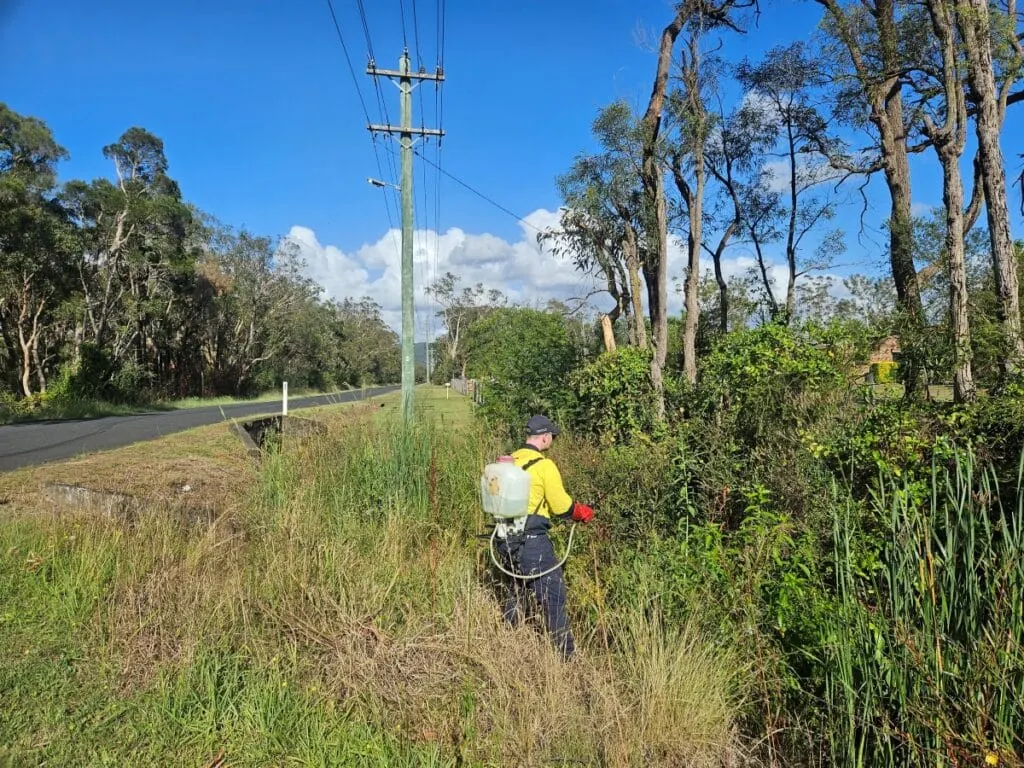
During the quarter, its teams controlled 11.5 hectares of terrestrial weeds listed for eradication, 15 per cent above target.
They also managed priority aquatic weeds along 168 kilometres of the Hawkesbury-Nepean River and surveyed 1,065 kilometres of high-risk terrestrial areas, 94 per cent above the authority’s target.
Ludwigia peruviana accounted for the largest share of priority weed control during the quarter, at 36 per cent, followed by sticky nightshade at 25 per cent and alligator weed at 22 per cent.
African olive represented nine per cent of control work, while cat’s claw creeper and salvinia each accounted for four per cent.
Across the 2025–26 financial year, the authority recorded 575 hours of terrestrial weed-control work across 5.3 hectares and 164 hours of aquatic weed-control work over 168 kilometres.
The Western Sydney Weed Authority is the local control authority responsible for priority and invasive weeds across its member council areas under the NSW Biosecurity Act 2015.
Its work includes property inspections, surveillance of waterways and high-risk land, treatment of infestations, compliance activity and community education.
The authority said its weed nursery had also expanded, with 40 priority species now maintained as live education samples double its target of 20 species.
The specimens are used to help residents, landholders and industry representatives identify weeds before they become established.
The figures suggest residents are becoming more willing to report suspected weeds, while inspectors are covering a wider area in an effort to detect infestations early.
Early reporting is particularly important in the Hawkesbury, where waterways, farmland, roadside vegetation and extensive bushland can allow invasive plants to spread rapidly if they are not identified and treated.
Suspected priority weeds can be reported to the Western Sydney Weed Authority through its online notification form or by calling 02 4574 9600.