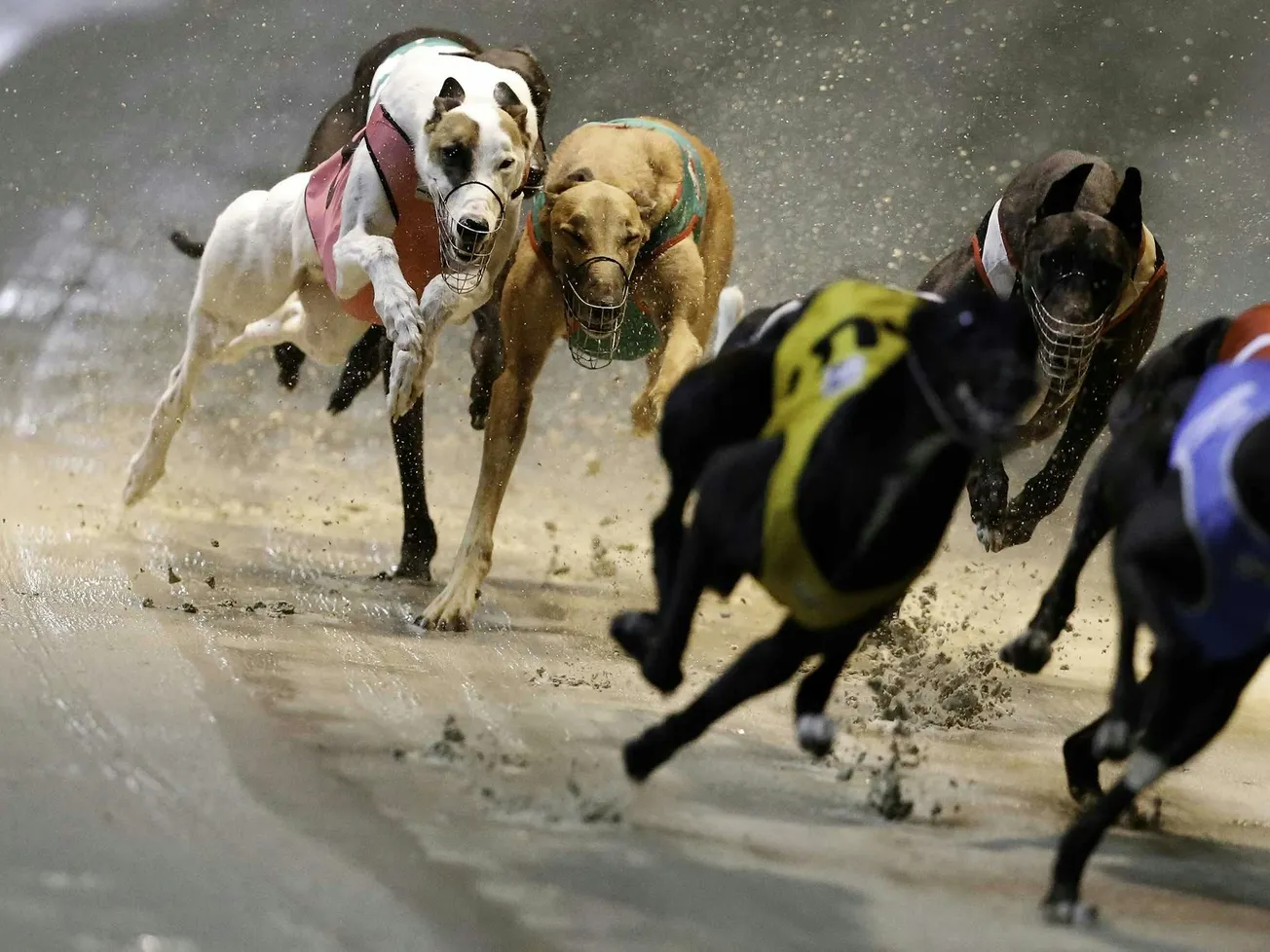
One of the Hawkesbury's oldest sporting venues has found itself at the centre of renewed debate following the release of a major NSW Auditor-General's report on 16 July 2026 examining how greyhound racing is regulated across the state.
The Richmond Race Club, located on Londonderry Road at Londonderry despite its Richmond name, has been part of the district's sporting landscape for more than 110 years and today operates as one of NSW's premier provincial greyhound racing venues.
The report, Regulation of Greyhound Racing, does not question whether greyhound racing should continue. Instead, it examines whether the Greyhound Welfare and Integrity Commission (GWIC) is effectively regulating the industry to protect the welfare of racing greyhounds.
The Auditor-General found the regulator has made substantial improvements since its establishment in 2018 but identified significant weaknesses that reduce its effectiveness and public accountability.
A Historic Hawkesbury Institution
Few sporting venues in western Sydney have a history as long as Richmond Race Club.
The racecourse first opened in 1912, originally hosting thoroughbred and harness racing after the Richmond Trotting Club relocated to Londonderry.
Greyhound racing commenced in 1955, initially on a straight grass track.
A circular grass circuit followed in 1968 before today's modern loam racing surface opened in 1999.
The venue remains unique in NSW as one of the few clubs to operate both a circular racing circuit and the state's only operational straight grass greyhound track.
Today the racecourse hosts regular provincial race meetings, major feature races, trial sessions and community functions, attracting trainers and owners from throughout New South Wales.
A $2.8 Billion Industry
Although often regarded as a regional sport, greyhound racing represents a significant industry.
According to the Auditor-General, NSW recorded:
- $2.8 billion in wagering turnover during 2024-25;
- 16,225 registered greyhounds;
- 4,671 registered participants;
- 1,269 race meetings across 22 racetracks;
- more than 103,000 race starts during the year.
Why the Audit Was Conducted
The current regulatory system is a direct consequence of the 2016 Special Commission of Inquiry, which uncovered systemic animal cruelty within parts of the NSW greyhound racing industry, including live baiting and the unlawful killing of healthy greyhounds.
That inquiry initially prompted the NSW Government to announce a ban on greyhound racing before reversing the decision and instead introducing sweeping reforms.
One of those reforms was the creation of the Greyhound Welfare and Integrity Commission (GWIC) in 2018 as an independent regulator separate from Greyhound Racing NSW.
GWIC's responsibilities include:
- protecting greyhound welfare;
- safeguarding racing integrity; and
- maintaining public confidence in the industry.
Significant Improvements Recognised
The Auditor-General acknowledged GWIC has made substantial progress.
Among the improvements identified were:
- introduction of the eTrac electronic tracking system;
- better monitoring of greyhounds throughout their lives;
- improved traceability of racing and retired dogs;
- more detailed public reporting;
- stronger enforcement action against serious welfare breaches.
The report notes GWIC has imposed lifetime bans and lengthy disqualifications in serious animal welfare cases.
But Serious Problems Remain
Despite those improvements, the audit identified several areas requiring urgent attention.
Perhaps the most significant criticism is that the regulator cannot demonstrate whether its work is actually improving greyhound welfare.
Although GWIC reports inspection numbers and enforcement activity, it has no comprehensive performance framework linking those activities to measurable improvements in animal welfare.
The report also found the Commission remains largely reactive.
Rather than undertaking regular industry-wide inspection programs designed to identify emerging problems before complaints arise, it generally responds after receiving reports of suspected welfare breaches.
Investigations Taking Too Long
The Auditor-General also criticised delays in investigations.
Some disciplinary matters took 18 months or longer to finalise because of inconsistent case management.
In several cases, disciplinary tribunals reduced penalties because of those delays.
The report found investigators changed multiple times during some investigations and record keeping was inconsistent.
Safety Concerns for Inspectors
An unexpected finding involved the safety of GWIC inspectors.
Investigators frequently attend isolated rural properties, often dealing with people who are the subject of regulatory action.
The audit found:
- inspectors are not always provided with intelligence about previous aggressive behaviour;
- safety procedures are incomplete;
- communications technology may fail in remote locations.
The report recommends strengthening inspector safety arrangements.
Better Data, Better Regulation
While praising the eTrac system, the Auditor-General also identified weaknesses in information security and governance.
The report recommends improving access controls, monitoring of system activity and formal agreements governing how sensitive information is shared with external organisations.
Five Recommendations
The Auditor-General has made five key recommendations requiring GWIC to:
- improve IT security;
- strengthen inspector safety;
- publish a clearer regulatory strategy with measurable welfare outcomes;
- make greater use of data to guide compliance activity;
- improve investigations, staff training and operational procedures.
What it means for Richmond Race Club
The greyhound racing debate has long been emotionally charged.
For some, the events exposed by the 2016 Special Commission of Inquiry permanently damaged confidence in the sport. For others, particularly trainers, breeders, volunteers and race clubs that have embraced the extensive reforms introduced over the past decade, today's industry bears little resemblance to that uncovered during the live-baiting scandal.
The Auditor-General's report largely supports both perspectives.
It acknowledges that the NSW Government created a far stronger regulatory framework by separating commercial operations from welfare regulation and by establishing an independent regulator. Yet it also makes clear that regulation remains a work in progress.
For communities such as the Hawkesbury, where Richmond Race Club has been part of local history for more than a century and continues to contribute to employment, tourism and community life, the report should be seen less as a threat to the industry's future than as a blueprint for strengthening public confidence.
A Gazette contributor was off to the dog races held last week. "I love going to the dogs, people are really friendly and the races are great fun to watch. The dogs are really loved by their owners and me."
Ultimately, the future of greyhound racing will depend not only on the welfare standards achieved, but on the industry's ability to demonstrate transparently that those standards are consistently being met.