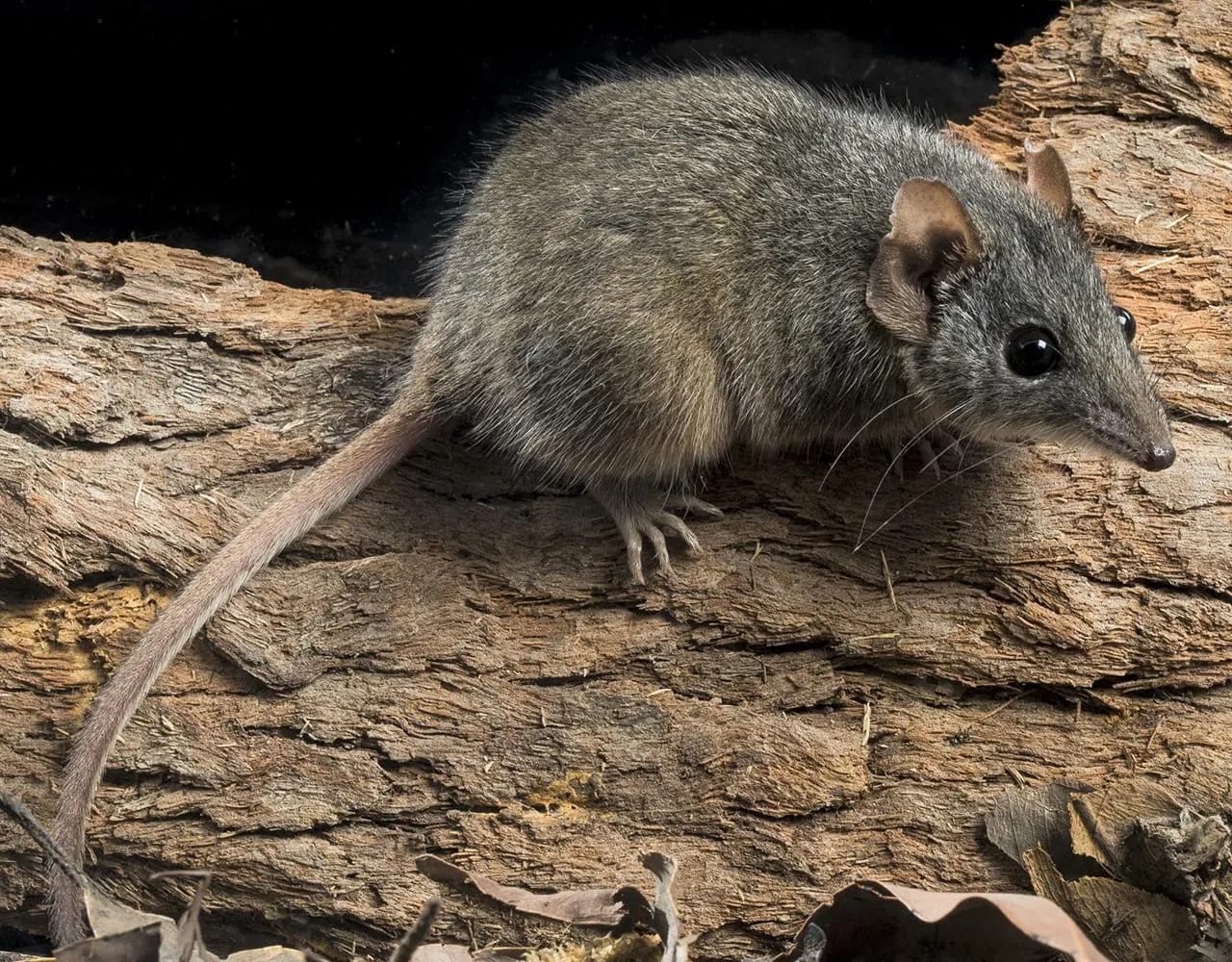
It’s 5am on a cold winter morning as I watch a mouse-like creature bounding around my bedroom. But there’s no need to scream and grab the broom. Antechinus are far more interested in hunting spiders and centipedes than raiding the pantry or gnawing through phone chargers. Aside from that:
They don’t smell.
They have a pouch.
They belong here.
And they give Australia the illustrious title of being home to the most sexually active animal in the world. Antechinus breed in winter, with all the females coming into season at the same time in a veritable 2-week orgy (the official name is semelparity). Then, the males go out with a bang, dying from exhaustion, immune system collapse and organ failure before they’ve even reached their first birthday. It’s not pretty.
In another cruel twist, they often produce more offspring than teats, so some are doomed from birth. The remaining jellybean-sized babies attach themselves and literally hang on for life. They are slung under her belly in an open pouch, quite different from the closed pouches we are used to with kangaroos. Around weaning age, they collectively weigh four times that of their poor, emaciated mum, who by this stage probably wishes she’d joined dad. Most females only live for a year or two at best.
The fresh-faced adolescents emerge with the spring explosion of insects, frogs and lizards. But this makes them very susceptible to climate change, as the seasonal onset of food cycles becomes less predictable. Our obsession with nuking every living insect with bug spray doesn’t help either. The cockroaches, spiders and centipedes that we dread are the grazing platter for these guys.
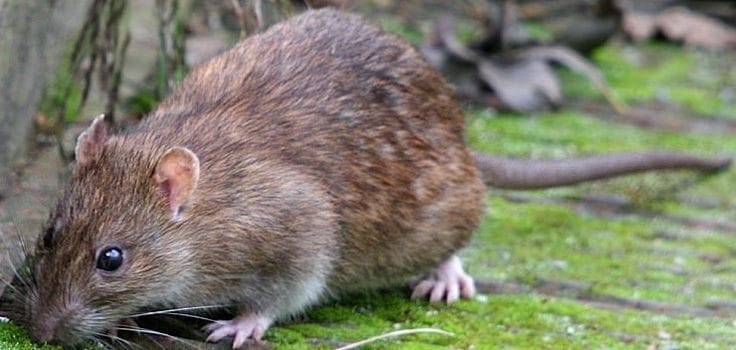
They may look like mice at first glance, but antechinus are basically the tiny, pointy-nosed cousins of quolls and Tasmanian devils, so calling them “marsupial mice” is misleading. If you’re trying to work out whether you’ve spotted an aussie icon or an unwanted rodent guest, check the clues: antechinus have shorter tails, very pointy heads, and a neat double fold in their ears. They also move with a low, bouncy little hop, rather than the smooth scurry of a rodent. Their droppings are another giveaway: long, thin, dark and twisted, unlike the smaller bullet-shaped pellets left by rats and mice. Before you accuse them of raiding your fruit-bowl, remember that they mostly eat insects and their teeth cannot gnaw through plastic.
If you need to remove pests from your home, and you’re not sure if it’s a rat, mouse or antechinus in the house, opt for non-lethal catch and release traps. These allow you to drop them off in the bush nearby to enjoy the rest of their short, exhausting, but fervent lives. In nature, all small mammals are part of the food chain for predatory birds, reptiles and other hunters. Remember that rat baits should be used as a last resort due to their potential to kill the good guys including antechinus, possums, owls and tawny frogmouths.