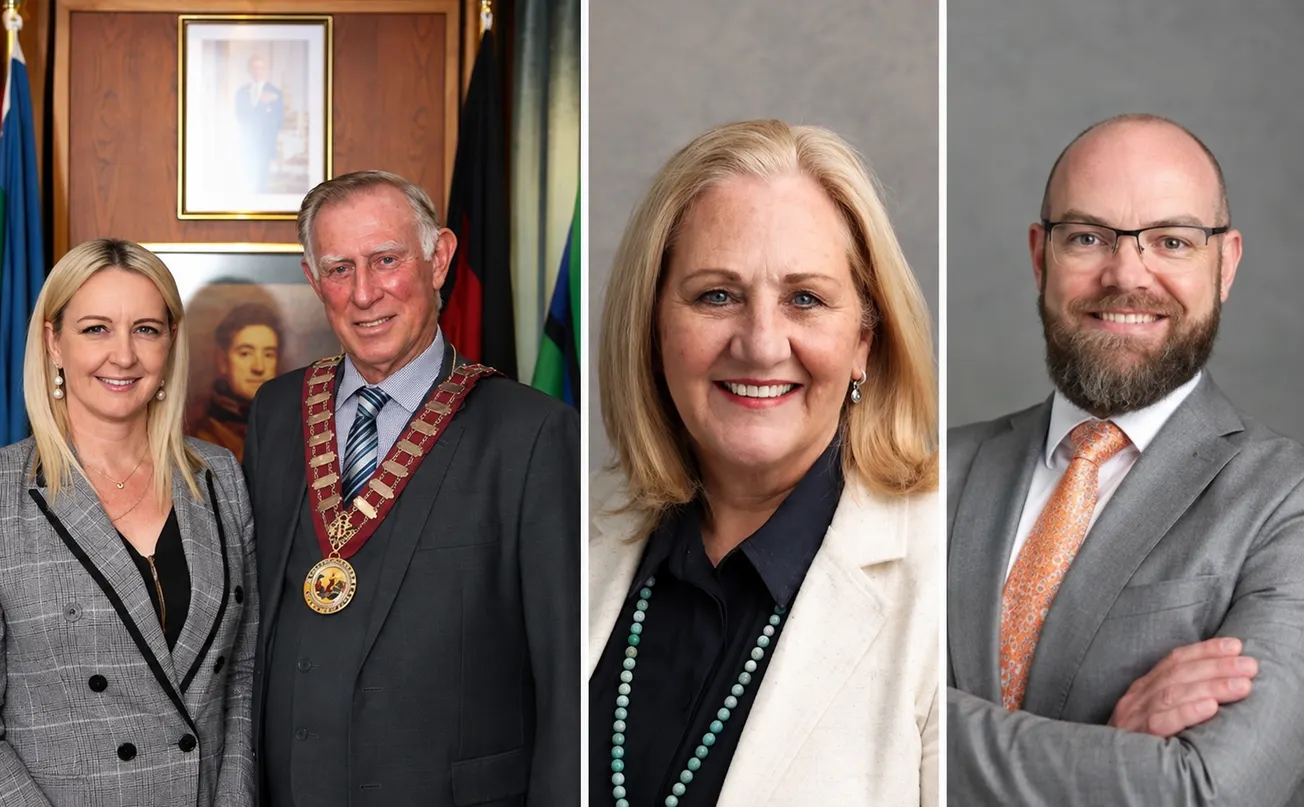
Hawkesbury Council has cited workplace health and safety concerns and alleged psychosocial risks caused by local media reporting as the basis for exclusion from Council premises.
The dispute has since attracted the attention of the Minister for Local Government, who has encouraged the parties to pursue a negotiated resolution balancing workplace safety obligations with democratic accountability.
With a Safework NSW inquiry underway into Councillor on Councillor bullying allegations consideration is now turning to group dynamics and culture that permeates the Council Chamber.
Whatever side of the debate residents support, the controversy raises a much bigger question:
When did criticism become a workplace hazard?
Victimhood Culture and Democratic Accountability - when criticism becomes a safety issue.
For years, Australians have joked about "Karen" behaviour. The stereotype began as a humorous description of a difficult customer demanding to "speak to the manager." But like many cultural observations, the joke endured because it reflected a recognisable pattern of behaviour.
Today, the phenomenon has moved well beyond shopping centres and customer service counters and now includes males known as Kevins.
Increasingly, communities, workplaces, governments and institutions are grappling with a culture where criticism is recast as victimisation, accountability is treated as harassment, and those asking difficult questions are portrayed as the problem.
The term "Karen" and "Kevin" has become controversial. Some argue it is sexist or ageist. There is some truth to that concern. Behaviour should never be judged by age or gender.
Yet the phenomenon itself remains real. At its heart, the behaviour is often characterised by a combination of entitlement and victimhood.
A familiar script unfolds. Someone faces criticism or scrutiny.
Rather than addressing the criticism itself, attention shifts to the emotional impact of the criticism. Allegations of bullying, harassment, victimisation or harm become the focus. Institutions mobilise to protect those claiming harm. The original issue receives less scrutiny. Critics become the problem.
The result is that accountability is displaced by emotion.
Some social commentators have described this as "victimhood culture" a social environment in which influence can be gained through claims of victimisation rather than evidence, debate or achievement.
The Cost of Victimhood Culture
The consequences can be significant. Organisations become risk-averse. Leaders avoid difficult conversations. Public scrutiny is treated as a threat rather than an essential part of democratic life. Most concerningly, institutions can begin making decisions based on perceived feelings rather than objective evidence.
Democratic societies rely on scrutiny. Media scrutinise governments. Residents scrutinise councils. Ratepayers scrutinise spending. Voters scrutinise elected representatives.
None of these activities are always comfortable, but discomfort is not the same thing as harm. A healthy community is not one where nobody is criticised.
A healthy community is one where criticism can occur openly, fairly and respectfully without being automatically redefined as abuse.
This distinction matters. True bullying exists. Genuine harassment exists. Real psychosocial hazards exist. They should be taken seriously wherever they occur.
But if every disagreement becomes harassment, every complaint becomes bullying and every uncomfortable question becomes a safety issue, the concepts themselves risk losing their meaning.
How Should Communities Respond?
The answer is not to dismiss complaints. Nor is it to automatically accept every allegation without question. The most effective response combines compassion, evidence and accountability.
When concerns are raised, communities should ask what happened, who was involved, what evidence exists, what rule or policy was breached?
Good organisations acknowledge feelings while making decisions based on facts. Strong institutions welcome scrutiny rather than fear it. Transparent organisations publish reasons for their decisions and trust the public to judge for themselves.
The challenge facing communities is not whether we should protect people from genuine harm. Of course we should. The challenge is ensuring that claims of harm do not become a substitute for accountability.
As similar debates continues to unfold, residents are left to consider a question being asked in communities across Australia:
How do we protect people from genuine psychosocial harm while preserving the public's right to scrutiny, criticism and democratic accountability?
The Minister for Local Government is clear in his letter of 2 June 2026. He wants both parties to engage in direct talks and settle the dispute.