News analysis
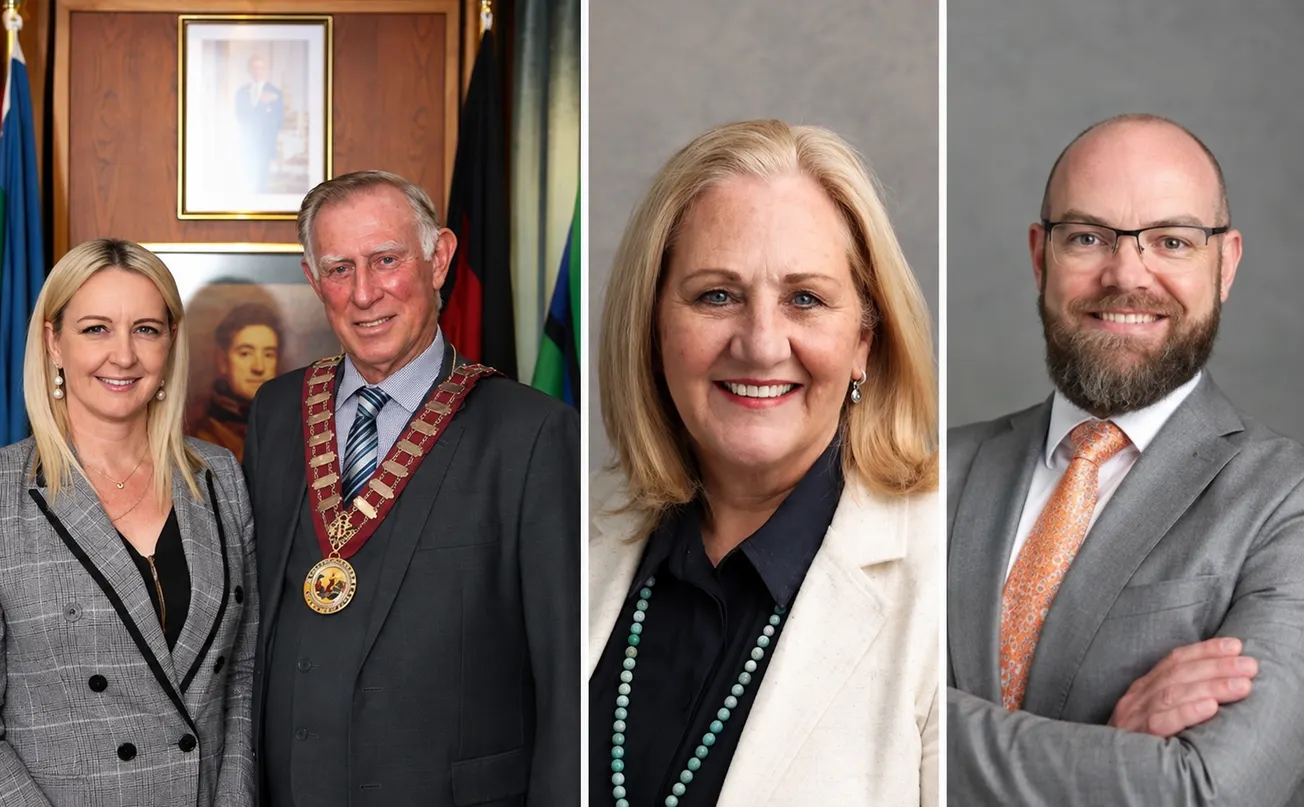
During a Hawkesbury City Council committee meeting on 2 December 2025, the Deputy Mayor Cr Sarah McMahon made a series of allegations against a media organisation and stated that she had referred matters of concern to police.
The Council Committee meeting had been convened to discuss about Council’s disaster preparedness, following public criticism of this, amplified in this publication.
The Gazette has been unable to verify whether a complaint was made to police.
However, during research on this, the Gazette identified a July 2021 court decision concerning the conduct of Hawkesbury City Council’s former General Manager, Elizabeth Richardson, that raises broader questions about how councils respond to criticism from residents and the media.
The Inner West Council / Bolton Case
In July 2021, a NSW Local Court magistrate dismissed all criminal charges arising from a dispute between Inner West Council and Annandale resident Jonathan Bolton. The court made detailed findings that were critical of the conduct of senior council officers involved in the matter, including then Inner West Council Group Manager, Elizabeth Richardson, who had just been appointed General Manager of Hawkesbury City Council in May 2021.
The case stemmed from a long-running dispute over the approval of a boundary fence between Mr Bolton and his neighbour, and concerns raised by Mr Bolton regarding procedural fairness, transparency and decision-making within the council.
Between 5 and 19 June 2019, police alleged that Mr Bolton had used a carriage service to menace, harass or offend several council officers, including Ms Richardson.
Following an 11 day hearing, Magistrate Philip Stewart dismissed all charges, finding that Mr Bolton’s communications did not meet the legal threshold for being menacing, harassing or offensive when assessed objectively and “in all the circumstances”.
Findings on Procedural Fairness and Council Conduct
In his written decision, the Magistrate found that the conflict originated in the council’s handling of a development application affecting fence height between neighbouring properties. The court heard evidence that changes were made without adequate notification, and that council responses focused on defending process rather than examining whether an error had occurred.
The Magistrate expressed significant concern about the conduct of senior council staff, including the exclusion of the assessing officer from meetings with the affected resident, and the decision to restrict communication rather than resolve the substantive planning issues.
Of Ms Richardson’s evidence, the Magistrate stated:
“I found Ms Richardson to be an unconvincing witness with an obvious dislike of Mr Bolton.”
He further noted that her assertions that the application had followed due process were “very much doubted” by the court, particularly in light of later concessions that the fence height may have been misinterpreted.
Role of senior management in escalating matter to police
The court also examined the role of senior council management in escalating the matter to police. Evidence showed that complaints were made to police and legal regulators, and that Mr Bolton was arrested rather than dealt with through less intrusive mechanisms.
The Magistrate questioned the necessity and proportionality of this response, observing that there was no evidence of threats or violence in the communications relied upon and reiterating that arrest is a measure of last resort.
Ultimately, all Commonwealth and State charges against Bolton were dismissed, along with an associated apprehended violence order application.
The Gazette has been unable to determine the financial cost of these proceedings to Inner West Council. However Mr Bolton has recieved permission from the Court to persue compensation from Inner West Council.
Broader Implications for Local Government Administration
The Inner West Council vs Bolton judgment highlights the risks councils face when escalating disputes without transparent decision-making, meaningful engagement or adherence to principles of procedural fairness.
It raises broader governance questions about how councils respond to criticism, manage conflict, and decide when and whether to involve police and the criminal justice system when residents persistently seek answers.
The Magistrate concluded that while council officers may have felt offended or challenged, that alone does not make communication unlawful, particularly where they are raising legitimate concerns about administrative decisions.
Hawkesbury Council and escalation of administrative matters to Courts
In Hawkesbury, the matter involving suspended Cr Eddie Dogramaci arose from an administrative issue concerning councillor expenses and has escalated to the police before first exhausting avenues available through internal governance processes, civil recovery or compliance pathways.
The matter is still before the court. At a Directions Hearing held at Penrith Court on 20 March 2026, two of the three allegations made against the suspended Councillor were dropped at the request of the Police Prosecutor. The remaining allegation has not been tested in court and the accused Cr Dogramaci is presumed innocent unless and until proven guilty.
The matter is back before the Court on 15 July with Hawkesbury Council challenging a supeona to provide information for suspended Cr Dogramaci defence. For this Hawkesbury Council hired Sydney law firm Mardsens Legal to act. The cost of this is unknown at present.
Power Imbalance and Institutional Response
The Bolton case exposed how senior council officers closed ranks, restricted communication, relied defensively on legal advice, and ultimately engaged police rather than addressing the substance of the complaint.
The judgment implicitly but clearly warns of the danger when institutions prioritise reputation management over accountability and respond to critics with enforcement rather than engagement.
The Governance Question
When councils or council-related bodies choose criminal or other courts as a primary response to disputes involving critics or internal challengers, are governance systems being strengthened or strained?
This is not a question of guilt or innocence in any individual case. It goes to the heart of how public institutions respond to disputes, criticism and alleged misconduct and how those responses shape public confidence in local government.
Response to dispute resolution frames the culture of an organisation determining whether it is defensive and insular or open, transparent and response to community concerns.
Public debate about how Councils exercise power, how they respond to challenge, and how they balance enforcement with fairness is a sign of a healthy democratic community.
IMPORTANT NOTICES
- This article does not seek to determine the merits of any individual allegation or court proceeding. Instead, it examines governance frameworks, dispute resolution practices, and the escalation of matters to police through the lens of publicly available court judgments and documented council processes. These issues go to the heart of public confidence in local government and are matters of legitimate public interest. Hawkesbury Gazette
- The matter involving Councillor Eddie Dogramaci is currently before the court. The allegation has not been tested in court and the accused is presumed innocent unless and until proven guilty. As proceedings are ongoing, the Gazette does not comment on the merits of the case.
- The Gazette relies on the published Local Court judgment in the Bolton matter and does not make independent findings beyond those recorded in the court’s written decision.
- The Bolton vs Inner West Council was covered by Michael West Media.
- The Gazette remains from all Council meetings by Mayor Les Sheather and Interim General Manager Will Barton by posing a psychosocial risk to councillors and staff.
 Michael West
HAWKESBURY CITY COUNCIL
The questions below were put to Hawkesbury City Council who responded "we will not be providing a response".
Dear Media Team,
The Hawkesbury Gazette is preparing an article examining governance and dispute resolution processes within local government and references a 2021 NSW Local Court judgment concerning Inner West Council.
The public interest basis for this article is clear: it concerns the exercise of statutory powers by a public authority, the escalation of disputes to law enforcement, and the governance frameworks that underpin public confidence in local government decision-making.
In the interests of procedural fairness and balanced reporting, we invite Council to provide comment on the following matters.
1. Dispute Resolution and Escalation Principles
The article refers to the July 2021 Local Court decision in the Bolton matter, in which Hawkesbury Council General Manager Elizabeth Richardson is named and includes commentary on procedural fairness and escalation of disputes to police. We note that Ms Richardson was employed in May 2021 before the Magistrate findings were published. The questions are as follows:
- Has Hawkesbury City Council reviewed its dispute resolution or escalation procedures in light of that judgment?
- What principles guide Council in determining whether a matter should be resolved internally, through civil processes, or referred to police?
- Does Council have a documented framework addressing proportionality in enforcement decisions?
2. Matter Currently Before the Court
The article notes that the matter involving Councillor Eddie Dogramaci is currently before the court. We acknowledge that the matter is sub judice and do not seek comment on the merits of the case.
However, in relation to governance process:
- What internal procedures does Hawkesbury City Council ordinarily follow prior to referral of councillor expense matters to police?
- What alternative compliance mechanisms exist within Council’s governance framework to address such matters?
3. Governance Structure
The article references the establishment of an in-house General Counsel position in 2022.
- What was the rationale for creating this role?
- What governance objectives does the position serve?
- What is the total annual cost (including on-costs and support staff) attributed to this role.
Disclosure
The Hawkesbury Gazette discloses that Councillor Mary Lyons-Buckett has familial ties to the publisher. The Gazette maintains editorial independence and publishes this disclosure in the interests of transparency.