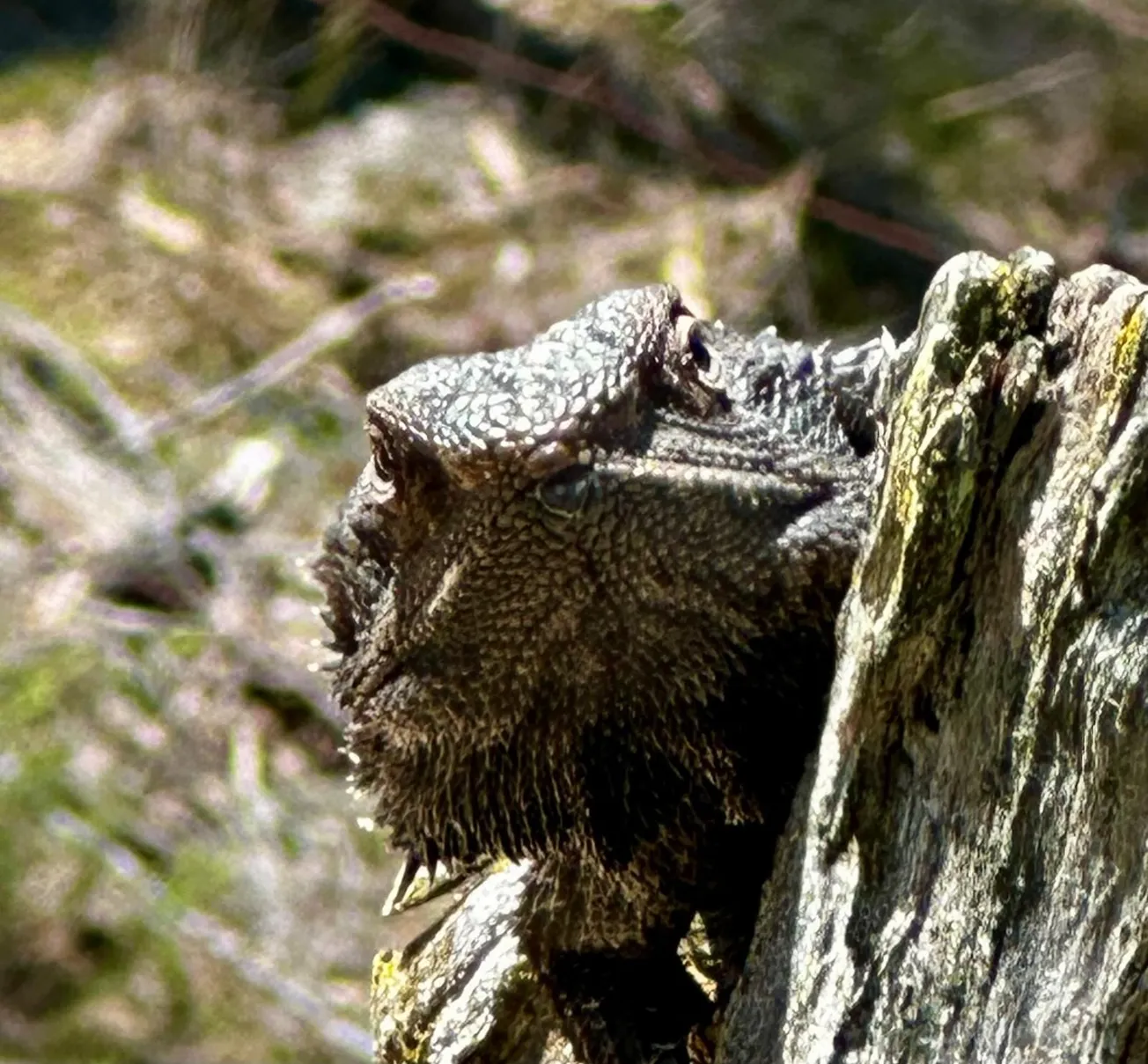
This is shaping up to be a bonza spring. Bogong moths are back in numbers not seen for decades. They are hard to miss. Hundreds of small brown moths desperately fluttering around your lights or splattering against your windscreen on a nighttime drive. They are en route to the Snowys’ to escape the summer heat, an incredible migration from northern NSW. Bees are back, our gardens are literally humming. Hopefully Bilpins’ orchards will have apples this autumn. Cicadas are just warming up. The green grocers are emerging and their rhythmic cocophony is starting to set the sounds of summer. Fingers crossed for the ear shattering Double Drummer experience, better than any rock concert! Birds are busy feeding their demanding gape mouthed babies, not long now till their first flight from their nests. Reptiles are reappearing after their winter brumation – dragons are sunning themselves on fence posts and snakes are playing Russian roulette on the roads. Sadly, young wallabies are learning the hard way that you must look right then left then right again before you cross the road.
Speaking of roads, September to February is peak mating season for koalas. During these months, they’re much more active as they look for mates and young males establish new territories. They are far more mobile than their sleepy stereotype would suggest. Residents across The Hawkesbury, Hills and Penrith areas are more likely to spot koalas, especially crossing roads or venturing into urban areas.
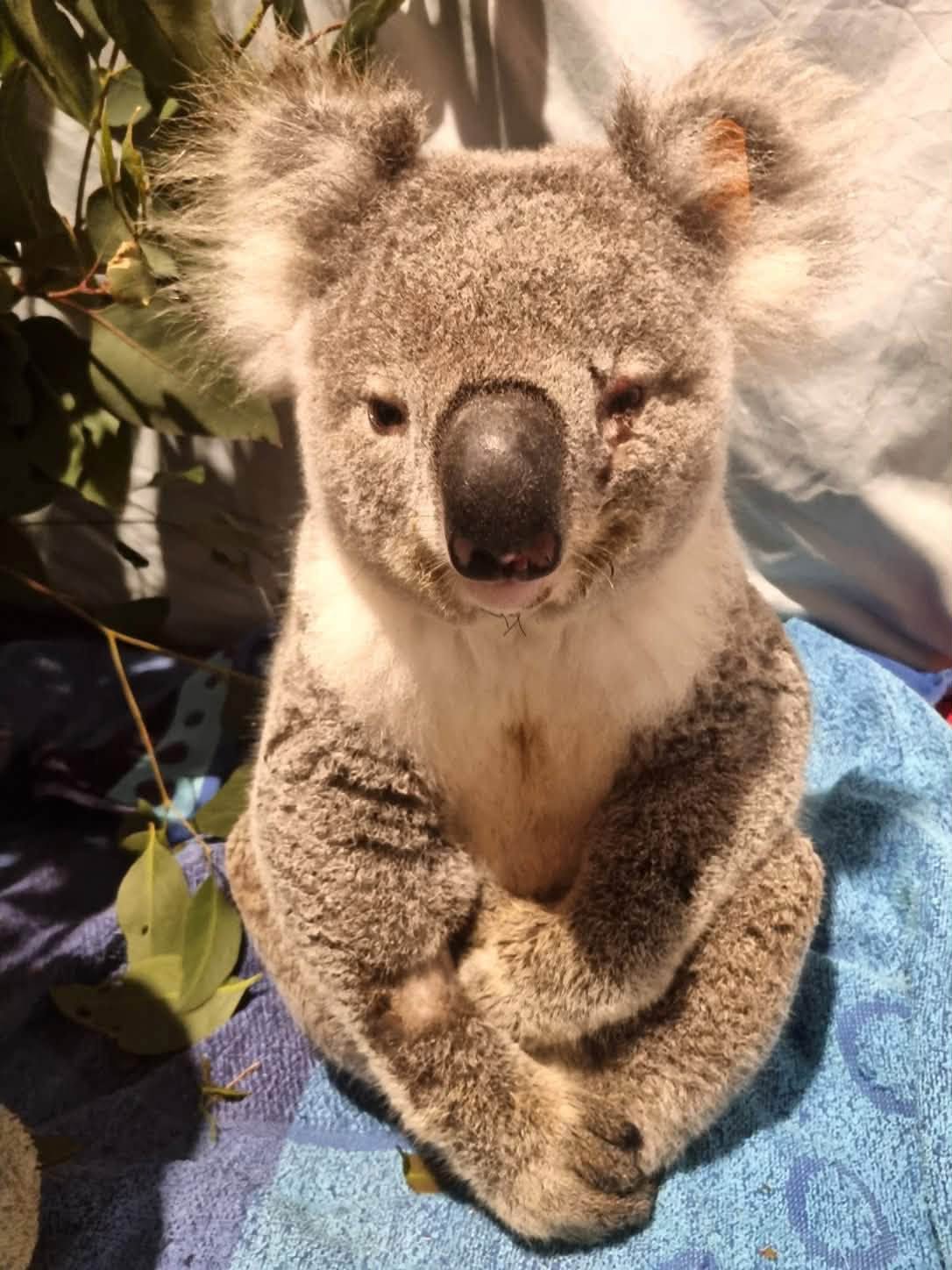
Vehicle strikes are one of their biggest threats, so please slow down, take extra care on the roads and keep an eye out for all wildlife. The Hawkesbury has an unenviable reputation as one of the states’ worst roadkill hotspots. If you are unlucky enough to collide with an animal, please stop and check it. Injured wildlife depend on us to save them, please do the right thing and call for help. The IFAW app will put you in contact with your nearest carer, or call WIRES. This photo is Milo the koala from the Kurmond area who has been taken into care with WIRES not once but three times following a vehicle strike and after being bailed up by dogs.
If you are lucky enough to see a healthy koala, take a photo as it helps verify the sighting. Collecting data is a vital element to protecting them and their habitat. There are several easy ways to do this:
· Use the phone app I Spy Koala
· Report it to the Hills-Hawkesbury Koala Project or by visiting the
Hills-Hawkesbury Rural Koala Project Facebook page
· Visit the Science for Wildlife website
All data collected by these groups is uploaded to Bionet, the State
Governments wildlife database. This information is used for environmental planning and scientific research.
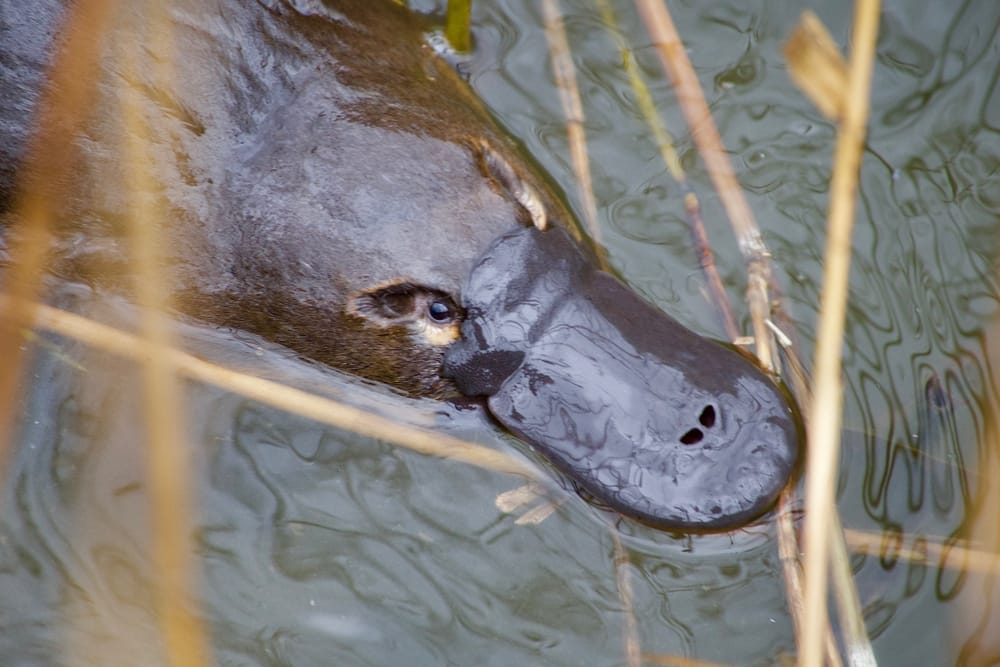
Our normally very private platypuses are cranking up the action too.
During mating and nesting season, these secretive river dwellers become more active and may travel further than usual. By October, female platypuses are hard at work hunting for plenty of macroinvertebrates, better known as water bugs. This protein-packed feast helps nourish their developing eggs and gives them the energy they need to prepare their nesting burrows. It’s an important but vulnerable time for platypuses. You can help by avoiding disturbance along creek and riverbanks and keeping dogs on a leash when walking near waterways.
Bush regeneration work also changes with the season. From October, activities move away from the water’s edge, giving platypus mothers a quiet, safe place to raise their young and reducing the risk of nesting burrows collapsing. If you’re planning bush care near a creek or river between October and March, the advice from Resilient Rivers for Resilient Hawkesbury Platypus is to please tread carefully, minimise disturbance along the banks and take extra care in known platypus habitats. A little space can make a big difference for these remarkable residents. If you live in the Cattai or Kurrajong area your property may be suitable to become a Platypus Park! Funding is available to restore creeks and critical platypus habitat. Visit their website to see if you are eligible.
Take a moment to appreciate the incredible wildlife around you, your life will be the better for it.