Hawkesbury residents are being encouraged to learn three simple actions that could protect them during an earthquake: drop, cover and hold on.
Geoscience Australia issued the reminder during Earth Science Week, held in October each year, saying Australia experiences an average of about 100 earthquakes above magnitude 3.0 each year.
While the Hawkesbury is familiar with preparing for floods and bushfires, the national campaign highlights the importance of knowing what to do when the ground shakes.
The Great ShakeOut, held on Thursday, October 15, was an international safety drill encouraging people to practise taking shelter.
The advice is straightforward: if you feel strong ground shaking, drop to the ground, seek cover under a sturdy table, protect your head and neck, and hold on until the shaking stops.
Geoscience Australia chief executive Melissa Harris said understanding the ground beneath our feet helped communities prepare for emergencies.
“We can’t know exactly when or where earthquakes will happen, but we can help our community prepare and give the best possible information to emergency managers when they need it.”
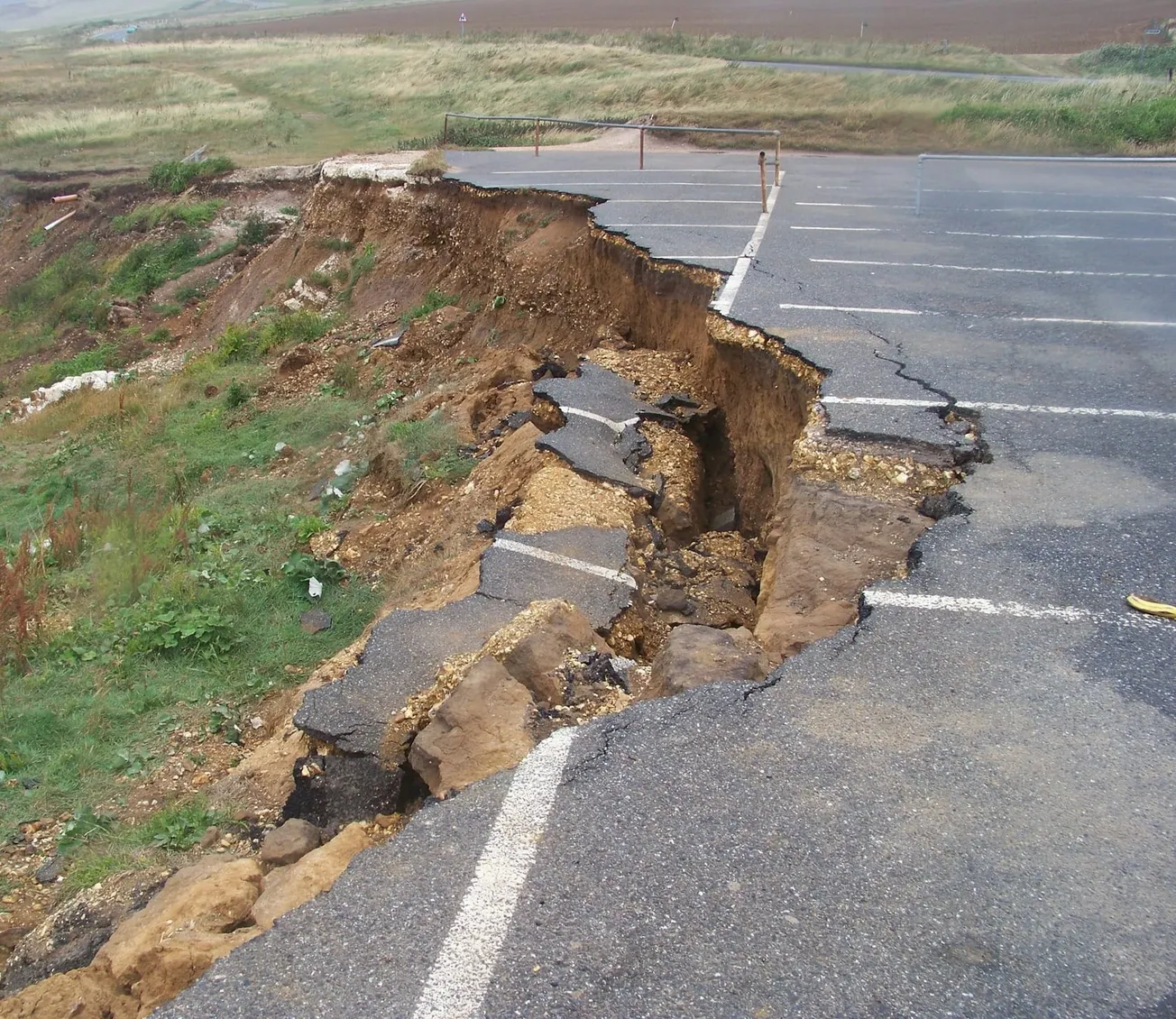
The consequences of an earthquake can be devastating. The magnitude 5.6 Newcastle earthquake in 1989 killed 13 people and injured 160 who required hospitalisation.
Geoscience Australia’s National Earthquake Alerts Centre operates around the clock, providing rapid alerts about significant earthquakes in Australia and overseas.
Residents who experience shaking are encouraged to submit a felt report through the Earthquakes@GA website once they are safe.
Those reports help emergency responders understand where an earthquake has been felt and identify areas that may need assistance.
Although this year’s ShakeOut has passed, households, schools and workplaces can still use the campaign’s resources to practise their response. Information includes guidance to help people of all abilities stay safe.
Earthquake information and felt reports are available at earthquakes.ga.gov.au, with drill resources on the Geoscience Australia website.