The 2026 Federal Budget is drawing mixed reactions from senior Australians, with advocacy groups warning some measures could place additional financial pressure on older residents already struggling with rising living costs.
National Seniors Australia (NSA) has described parts of the Budget as “the good, the bad and the downright ugly”, warning that changes to private health insurance rebates and broader cost pressures could disproportionately affect older Australians, particularly those living on fixed incomes.
For Hawkesbury seniors, many of whom live in rural and semi-rural communities with limited public transport and increasing healthcare costs, the changes are likely to be closely watched.
Private Health Insurance Rebates Under Fire
One of the most controversial measures is the proposed reduction in higher private health insurance rebates for older Australians from April 2027. NSA argues the changes could force many pensioners and low-income self-funded retirees to abandon private health cover altogether due to rising premiums.
According to NSA analysis, a couple aged over 70 currently paying around $7,000 a year in private health premiums could face an increase of approximately $830 annually under the proposed changes.
National Seniors Australia Director of Policy and Research Dr Brendon Radford said the changes had been incorrectly framed as an issue of intergenerational fairness.
“A reduction in the higher rebate for seniors has been justified on intergenerational equity grounds, but this is misguided,” Dr Radford said.
“In truth, the higher rebate saves the government money and supports the sustainability of both the private and public health systems, which helps all generations.”
Dr Radford warned encouraging older Australians to abandon private health insurance could place even greater strain on already stretched public hospitals.
“Encouraging older people, especially pensioners and low-income self-funded retirees, to retain private health insurance means they are more likely to contribute to the cost of health out of their own pocket saving government money,” he said.
The issue is particularly significant for Hawkesbury residents, where access to specialist healthcare often requires travelling outside the region to major hospitals in Western Sydney or metropolitan centres.
Capital Gains Tax and Negative Gearing Changes
The Budget’s proposed changes to Capital Gains Tax (CGT) and negative gearing are also generating uncertainty for older Australians and investors.
Under the changes, capital gains made before July 1, 2027, will continue to attract the current 50 per cent discount. However, gains made after that date will instead be calculated using inflation indexation rules alongside a controversial minimum 30 per cent tax on net capital gains.
Age Pension recipients will be exempt from the minimum 30 per cent tax.
Investors purchasing newly built homes will still be able to access negative gearing and choose between the existing 50 per cent CGT discount or the new indexed approach. However, negative gearing for purchases of existing residential properties will no longer apply for investments purchased after Budget night.
NSA says the changes are complex and could affect retirees, investors and families differently depending on their circumstances.
There are also concerns the changes could eventually place upward pressure on rents, with similar policies in New Zealand previously linked to rising rental prices before being abandoned.
Support at Home Funding Welcomed
Some measures have been welcomed by seniors groups, particularly additional funding for aged care support services.
The Federal Government has committed $1 billion over four years to fully fund “personal care” services under the Support at Home program, removing consumer co-payments for services such as showering and daily care assistance.
For many older Australians living on fixed incomes, out-of-pocket costs for these services have become an increasing burden.
The Budget will also fund additional Support at Home packages designed to help older Australians remain independent and living in their own homes for longer, although questions remain about whether the measures will significantly reduce current wait times, which average around 12 months nationally.
Residential Aged Care Expansion
The Budget has also allocated funding aimed at increasing the number of residential aged care places available across Australia.
The measures are expected to support the construction of approximately 5,000 aged care beds annually through capital subsidies paid to providers expanding or building new facilities.
For regional communities such as the Hawkesbury, where aged care availability is often limited and families can face long waiting periods, the announcement is likely to be closely monitored.
Increased Dementia Support
The Budget commits $224.3 million over four years to dementia care programs, including expanded specialist dementia services and hospital-to-aged-care transition programs.
The funding includes 20 additional Specialist Dementia Care Units nationally and an expansion of the Hospital to Aged Care Dementia Support Program from 11 to 20 locations.
NSA says the investment is a positive step for families struggling to access appropriate dementia care and may help reduce the number of older Australians stranded in hospitals while waiting for aged care placement.
Accommodation Supplement Changes
The Budget also includes a provision of $1.1 billion for future spending to increase accommodation payments for low-means aged care residents and additional payments for high-support residents.
The measures will still require legislation before taking effect, with NSA indicating it will closely monitor implementation.
Medicare Urgent Care Clinics Expansion
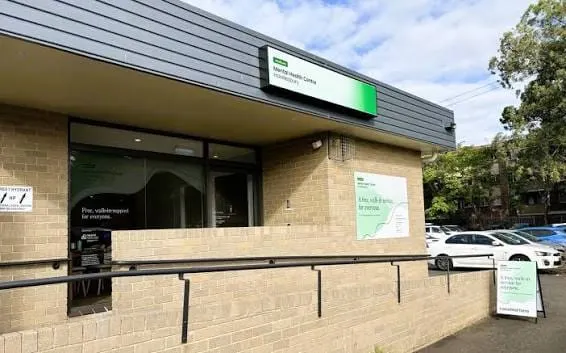
Another major healthcare announcement includes $1.8 billion over five years to expand Medicare Urgent Care Clinics to 137 locations nationally.
The clinics provide free walk-in treatment for non-life-threatening conditions and are designed to reduce pressure on emergency departments.
For older Australians, particularly those managing chronic conditions or mobility issues, easier access to urgent healthcare services could help avoid lengthy waits in hospital emergency departments.
Hospital Funding Boost
The Federal Government has also confirmed an additional $25 billion commitment to state-run hospitals.
Older Australians remain the highest per-capita users of hospital services, with seniors groups arguing sustained investment is critical as hospitals face increasing demand and aged care shortages continue placing pressure on hospital systems.
NSA says it hopes some of the additional funding will help improve support for older patients who remain stuck in hospitals while awaiting appropriate care arrangements.
Fuel Costs Remain a Concern
Temporary fuel excise relief will continue until June 30, 2026, providing short-term assistance for motorists.
However, for Hawkesbury seniors living outside Richmond and Windsor, where public transport options can be limited, the ongoing cost of vehicle ownership remains a major concern.
Many older residents in areas such as Bilpin, Colo, Kurrajong, St Albans and the Macdonald Valley rely heavily on private vehicles to access healthcare, groceries and community services.
The temporary reduction of 32 cents per litre on petrol and diesel has provided some relief, although no extension beyond June 2026 has been announced.
Pension Supplement Changes
The Budget also proposes changes to the Pension Supplement for Australians travelling overseas.
Currently, the supplement reduces to the basic rate after six weeks overseas. Under the proposed changes, this period would extend to 12 weeks from September 20, 2026. However, after 12 weeks the supplement would cease entirely instead of reducing.
If a pensioner permanently relocates overseas, the supplement would stop immediately upon departure.
The measure is expected to save the Federal Budget approximately $218 million over five years.
Veterans and Allied Health Services
NSA has also expressed concern about overall reductions in veterans’ services.
While the Budget includes $169.7 million over five years to increase allied health provider fees, it also introduces a $5,000 annual cap on allied health services, a move projected to save the government $779.5 million over five years.
Overall savings to veterans’ services are estimated at around $600 million over the forward estimates.
Seniors Not a Homogenous Group
Dr Radford said older Australians should not be viewed as a single wealthy demographic.
“It didn’t have to be this way. Older people, like younger people, are not a homogenous group, with many older people struggling with rising living costs, a lack of housing, and rising health costs,” he said.
For many Hawkesbury seniors, the Budget’s impact will be felt around affordability, healthcare access and the ability to remain independent in their own local communities.
For people interested in the work of National Seniors Australia visit https://nationalseniors.com.au/