The Hawkesbury's unenvied reputation as a roadkill hotspot is worsening with over 400 collisions with kangaroos and wallabies each year, peaking in autumn and winter. Not only is this devastating for local wildlife, but there is a huge cost to drivers, wildlife carers and veterinarians.
It happens so quickly and unexpectedly. It’s just after dusk and you’re driving a quiet road, your eyes adjusting to the near darkness. Out of the bushes a kangaroo bounces out in front of your vehicle.
In a split second, you collide with a sickening thud. It’s a horrible feeling.
According to Drive Kangaroo Aware, this is a daily occurrence for drivers in the Hawkesbury, one of the states roadkill hotspots, with an average of 400 kangaroo-related accidents every year.
Anne Marks, the leader of the Drive Kangaroo Aware project, says that autumn and winter are the peak seasons due to shorter days, and kangaroo movements (dawn and dusk) coinciding with high traffic times. Low visibility due to darkness, rain and fog increase the risk.
It’s not just a problem in rural areas. The Hawkesbury basin is home to a large established population of eastern grey kangaroos. As urbanization encroaches onto remnant bushland that is also their home, many of these incidents are happening on busy suburban roads.
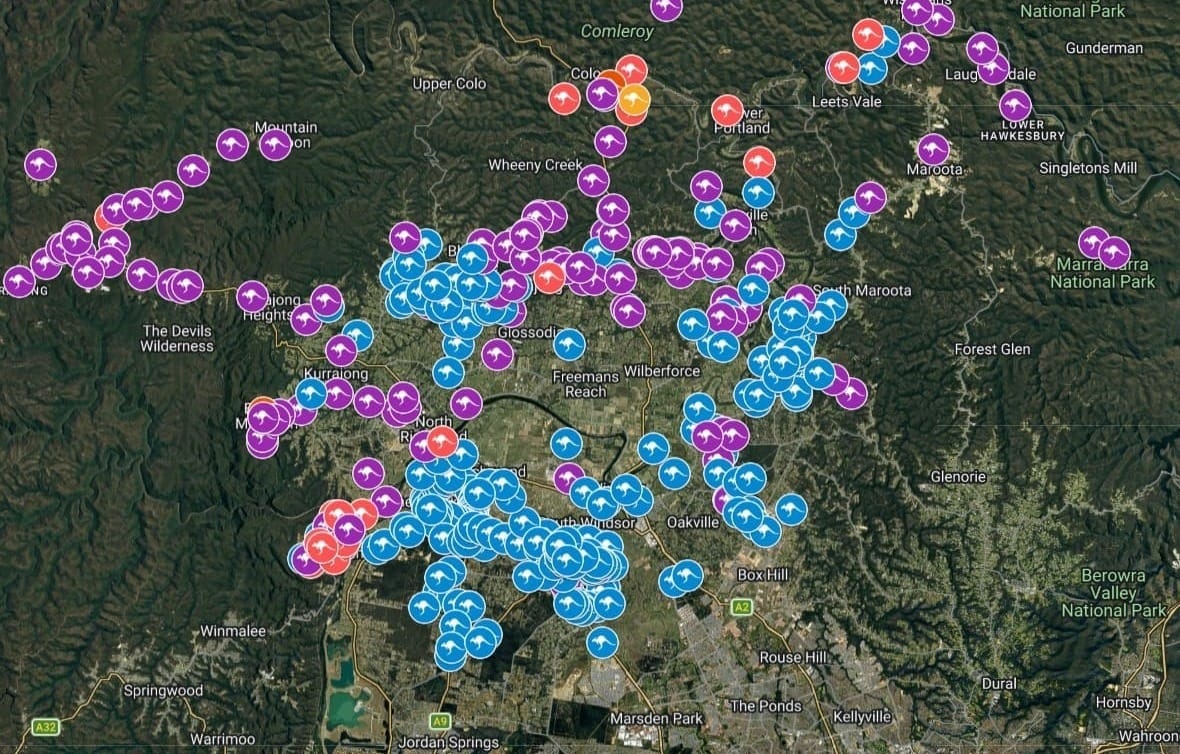
Mapping created by Drive Kangaroo Aware shows the worst affected areas. Bligh Park, The Driftway, Londonderry Road and East Kurrajong Road are heavily impacted.
Recently there have been vehicle collisions with kangaroos in the following areas: Glossodia, Wilberforce, Richmond, Londonderry and Cattai.
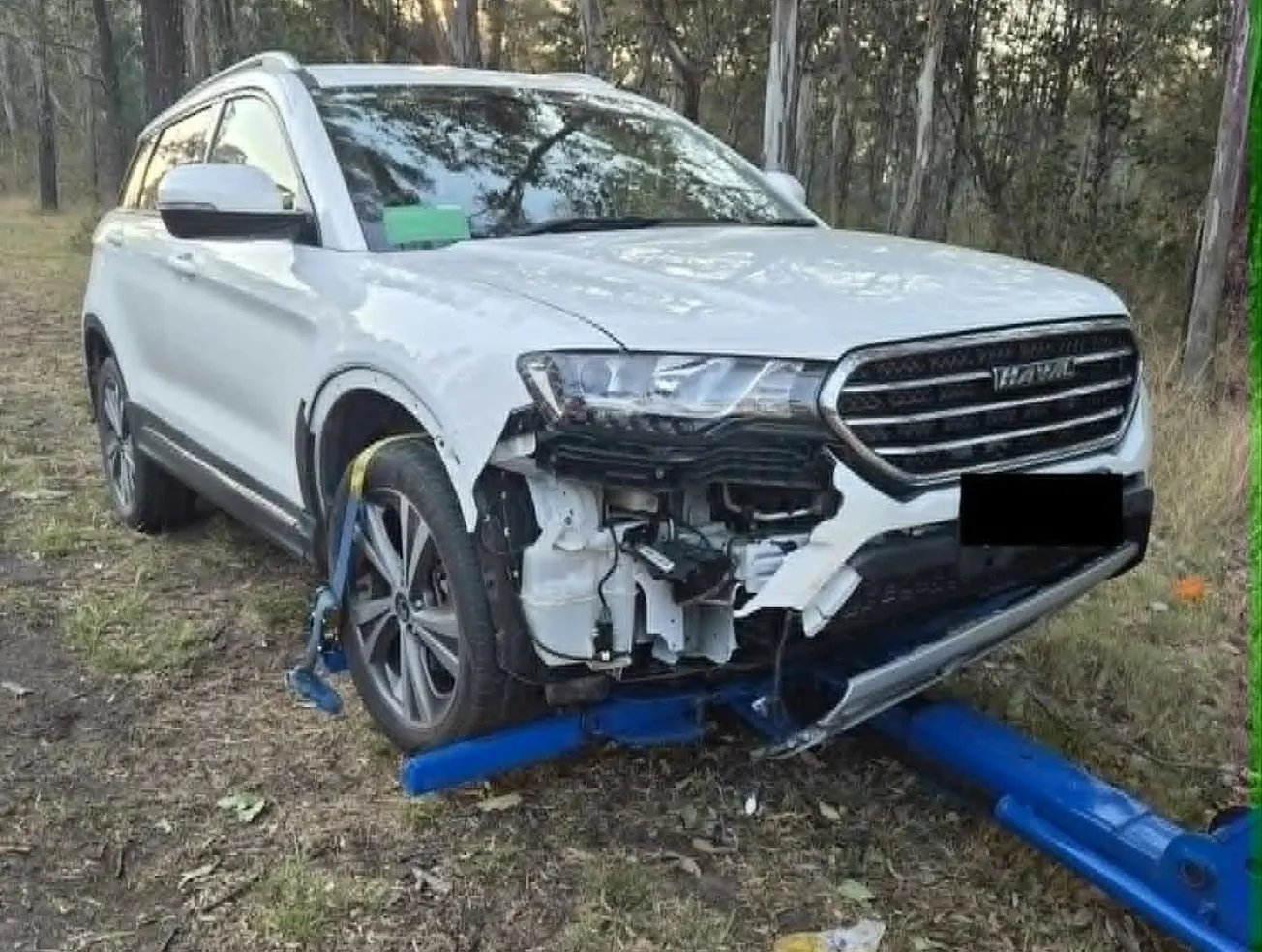
Each accident has a ripple effect, apart from the devastating effect on wildlife, they cause significant physical, emotional and financial impost to motorists, wildlife carers and veterinarians.
According to Anne Marks, there were 420 kangaroos or wallabies hit by cars and either killed outright or requiring euthanasia last year, leaving 20 orphaned joeys needing care to eventual release.
Veterinarians don’t usually charge for wildlife cases and are often required to treat injured animals out of hours. Drivers with comprehensive insurance also have the cost and inconvenience of having their car off the road if it is deemed suitable for repair. NRMA Insurance reported a 21% increase in claims due to animal collisions from 2024 to 2025 nationally, and AAMI Insurance reports that kangaroo collisions account for a staggering 90% of their animal-related claims.
What to do if you hit a ‘roo
Your priority is your safety, pull over when it is safe to do so and return to the scene of the accident.
Park your car off the road with hazard lights on and assess the situation, check that you and your passengers are ok.
Check to see if the animal is alive or deceased - approach it cautiously – remember that it may react unpredictably due to fear and pain, approach it from behind to not alarm it and keep out of the way of their powerful hindlegs.
If it is alive do not attempt to move it, contact a wildlife rescue organization immediately. they will advise you on what to do next. Contact number are below.
If it is deceased and it is safe to do so, remove it off the road so it is not a hazard for other drivers and does not attract other wildlife to the carcass
If it is a female you can perform a pouch check, there may be a live joey even if the mum has died. Sometimes joeys are thrown from the pouch during the accident so check the surrounding area too.
If you don’t feel confident removing the joey from the pouch the wildlife rescue organization can talk you through the right way to do this
Use a towel or blanket to cover smaller animals if you need to move them, but avoid handling large or dangerous species like kangaroos, wombats, snakes, or birds of prey, they require trained experts if they are alive.
Prevent Collisions and Be Prepared!
Drive alert in high-risk areas, especially at dawn and dusk, anticipate wildlife crossing unexpectedly.
Avoid swerving if you see wildlife on the road as that can lead to more serious accidents, decelerate as safely as possible.
Always have a fluro safety vest and orange safety cones, some spare towels, disposable gloves and hand sanitizer in your car in case of emergencies
Add these numbers to your phone contacts
WIRES 1300 094 737
SYDNEY WILDLIFE 02 9413 4300
Hawkesbury City Council 4560 4444 (for removal of dead wildlife)
Hawkesbury Police 02 4587 4099
Report accidents or sightings of roadkill to the interactive map and community survey Drive Kangaroo Aware This data helps to plan wildlife management in hotspot areas.
The Drive Kangaroo Aware campaign is an initiative of Hawkesbury Environment Network, supported by a grant from Transport for NSW.
The goal is to reduce the incidence of motor vehicle collisions with kangaroos across the Hawkesbury area and is part of a larger initiative by Transport for NSW 2026 Road Safety Action Plan to halve deaths and reduce serious injuries on our roads by 2030.
By focusing on Safe People, Safe Roads, and Safe Speeds, they’re working to protect both motorists and our local kangaroo population.