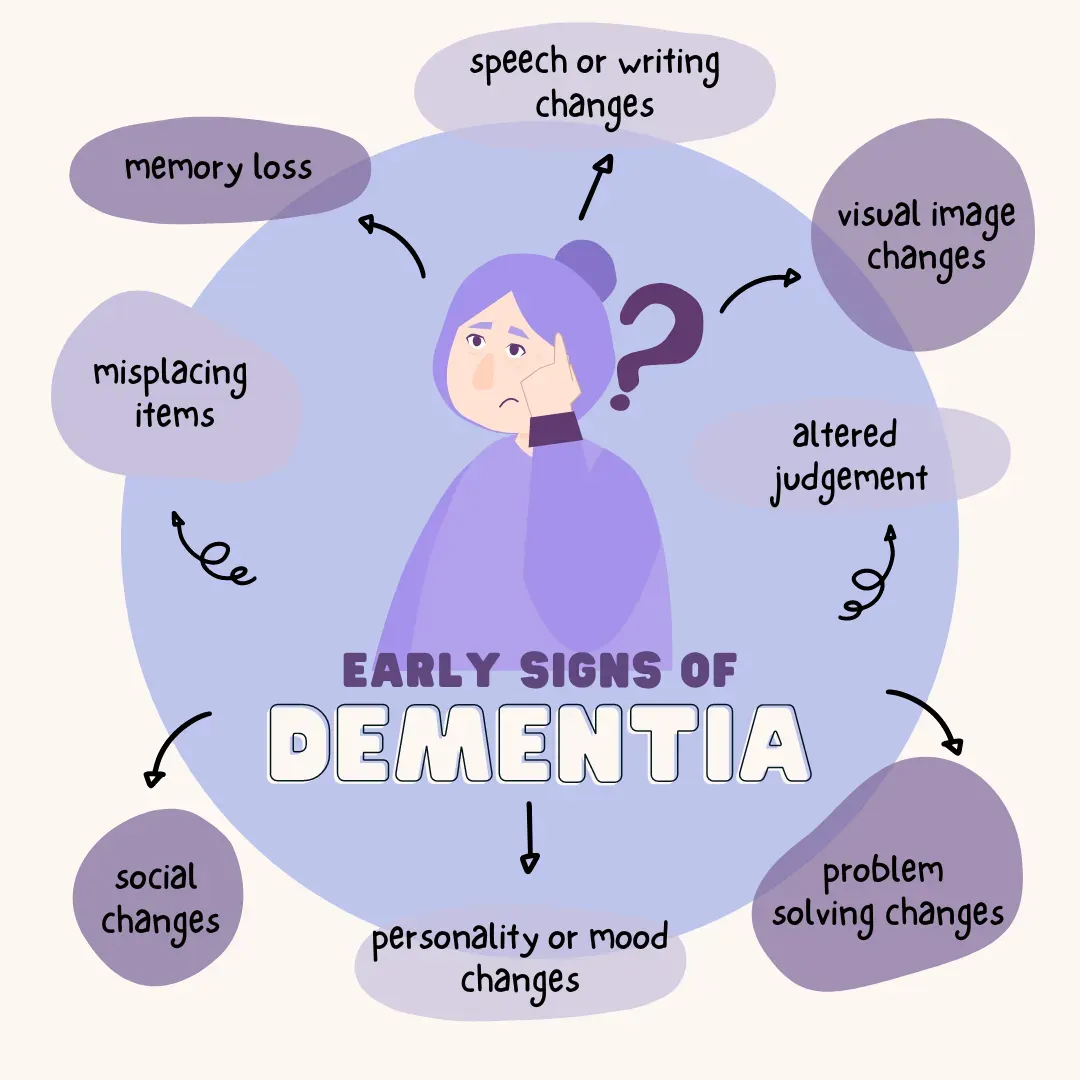
Across the Hawkesbury, many families are quietly navigating the emotional and practical realities of dementia as they care for ageing parents, partners, relatives and friends often while balancing work, financial pressures and the challenges of living in a region with limited local health and aged-care services.
For many carers, understanding why a loved one’s behaviour changes can be confusing, distressing and isolating. A new educational series from Dementia Support Australia hopes to provide families with practical support, reassurance and a deeper understanding of the complex behavioural changes that can occur with dementia.
Dementia Support Australia, in partnership with geriatrician Professor Sue Kurrle, has launched a new video series titled Let’s Talk Dementia, exploring some of the more complex behavioural changes associated with dementia.
The series aims to help carers, families and communities better understand why behaviours may change and how responding with understanding and support can improve outcomes for everyone involved.
According to Dementia Support Australia, up to three quarters of people living with dementia may experience hallucinations at some stage, while changes in the frontal and temporal lobes of the brain can affect judgement, social filters and behaviour.
Organisers say many behavioural changes are not intentional, but are often the result of distress, confusion, physical changes in the brain or difficulties communicating needs.
The educational series explores a range of topics including:
- sleep disruption,
- confusion,
- mood changes,
- hallucinations,
- disinhibition,
- and environmental factors that may worsen symptoms.
Professor Kurrle explains in the videos that dementia affects every person differently, making it difficult for families and carers to always know what to expect.
“Behaviour may be the only thing the person has left to communicate with,” the series explains.
The project also includes downloadable fact sheets offering practical advice for carers and support workers, as well as guidance around Behaviour Support Plans and caring approaches that reduce distress and improve wellbeing.
The resources are particularly relevant as Australia’s ageing population continues to grow and more families find themselves navigating the emotional and practical challenges of dementia care.
Across the Hawkesbury, many families are already supporting ageing parents, partners and relatives at home, often while balancing work, financial pressures and caring responsibilities.
Health professionals say understanding the reasons behind behavioural changes can help carers respond more calmly and compassionately, reducing stress for both the person living with dementia and those supporting them.
The Let’s Talk Dementia series and additional support resources are available through Dementia Support Australia at dementia.com.au.