For many Hawkesbury residents, a love of the outdoors didn’t begin in a classroom it started in the lounge room.
Long before streaming platforms and social media, Australians gathered around the television to watch a handful of pioneering broadcasters venture into the unknown, bringing the country’s most remote and rugged landscapes into suburban homes.
Names like Harry Butler, Ted Egan, Alby Mangels and Steve Irwin became synonymous with a uniquely Australian style of storytelling, practical, unpolished and driven by a genuine fascination with the land.
But for many, it was brothers Mal Leyland and Mike Leyland who truly ignited the spark.
Their hit series Ask the Leyland Brothers invited viewers to send in questions about Australia and then followed the pair as they set out to find the answers, often travelling well beyond the beaten track.
From deserts to floodplains, their journeys captured parts of the country rarely seen at the time, all while navigating breakdowns, bush camps and unpredictable conditions along the way.
It was that relatability that struck a chord.
“They made it feel like something anyone could do,” one long-time Hawkesbury resident recalled. “You didn’t need to be an expert just willing to have a go.”
Programs like In the Wild, fronted by Butler in the 1970s, introduced audiences to native flora and fauna, while Mangels’ World Safari turned travel into a test of endurance as much as curiosity.
Later, Irwin would take that same enthusiasm global, showcasing Australian wildlife with an energy that captivated audiences worldwide.
Together, these storytellers helped shape how Australians saw their own backyard not as distant or inaccessible, but as something to be experienced firsthand.
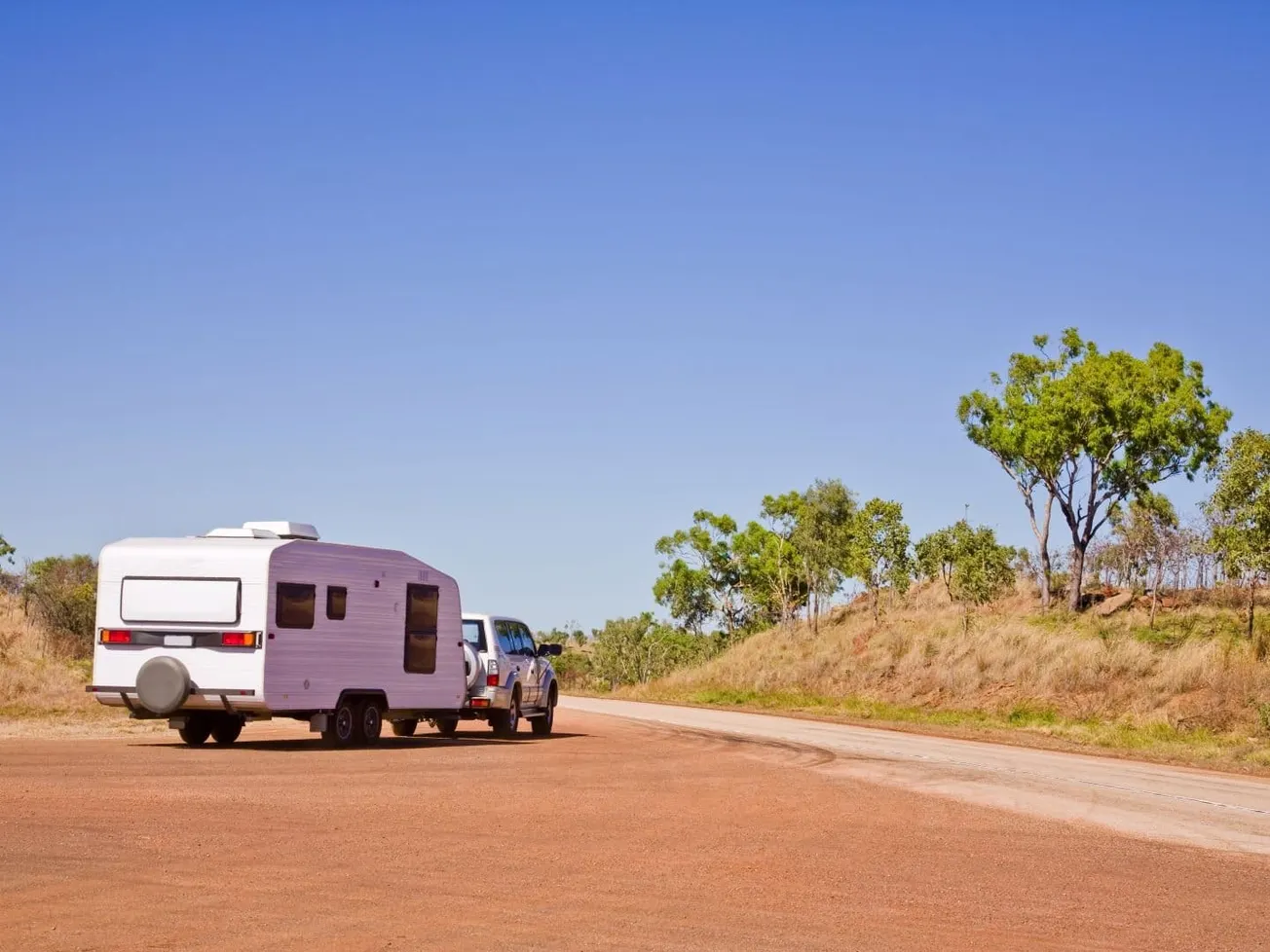
That legacy is still felt today across the Hawkesbury, where caravans and camper trailers are a common sight on local roads, particularly as retirees embrace the freedom of travel.
The rise of the “grey nomad” older Australians setting off around the country in caravans or four-wheel drives can be traced in part to those early television adventures.
For many locals, the Hawkesbury itself offers a starting point, with its rivers, bushland and proximity to national parks providing a taste of the landscapes once only seen on screen.
And while technology has changed the way stories are told, the appeal remains much the same.
The call of the wild first heard through the static of a television set continues to inspire new generations to pack up, head off, and discover Australia for themselves.
Information for this story was sourced from National Seniors Australia.