By Phil Burkitt
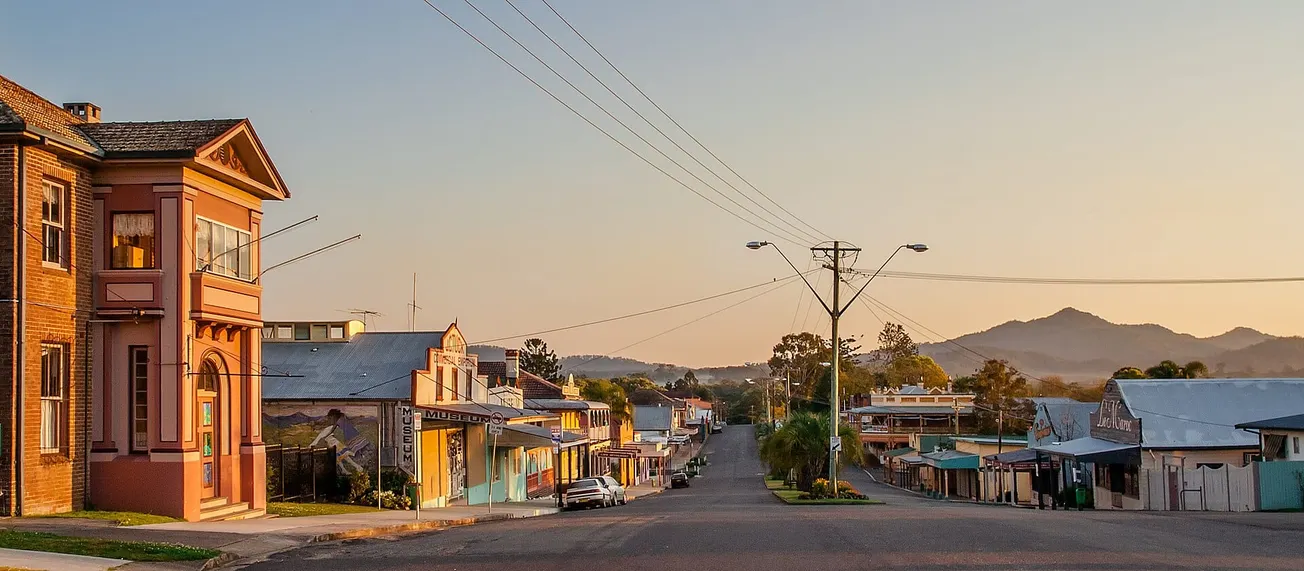
In the Hawkesbury, history is not only found in sandstone buildings and old farm fences it also lives quietly in the trees.
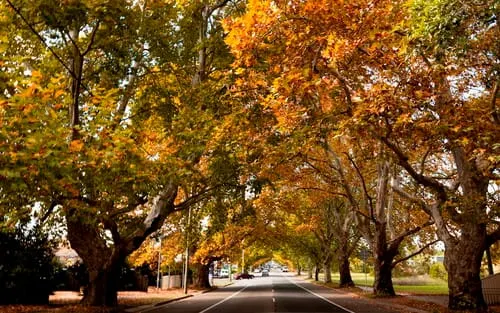
Across the district, some of the region’s oldest trees continue to shape the landscape, offering shade, character and a living connection to generations past. Among the most recognisable are the towering stately plane trees that line Windsor Road Richmond and the main roads and townships of both Richmond and Windsor and the old university grounds at the Hawkesbury campus of Western Sydney University.
European settlement in the Richmond, NSW area was first established by farmers in 1794. However, the formal township was established on December 6, 1810 by Governor Lachlan Macquarie, who created it as one of the original five "Macquarie Towns"
The earliest recorded major tree plantings in Richmond, NSW, occurred in the late 1870s at Richmond Park. After being formally dedicated as a public recreation reserve in 1868, a broad tree planting program began in the late 1870s using plants provided by the Sydney Botanic Gardens.
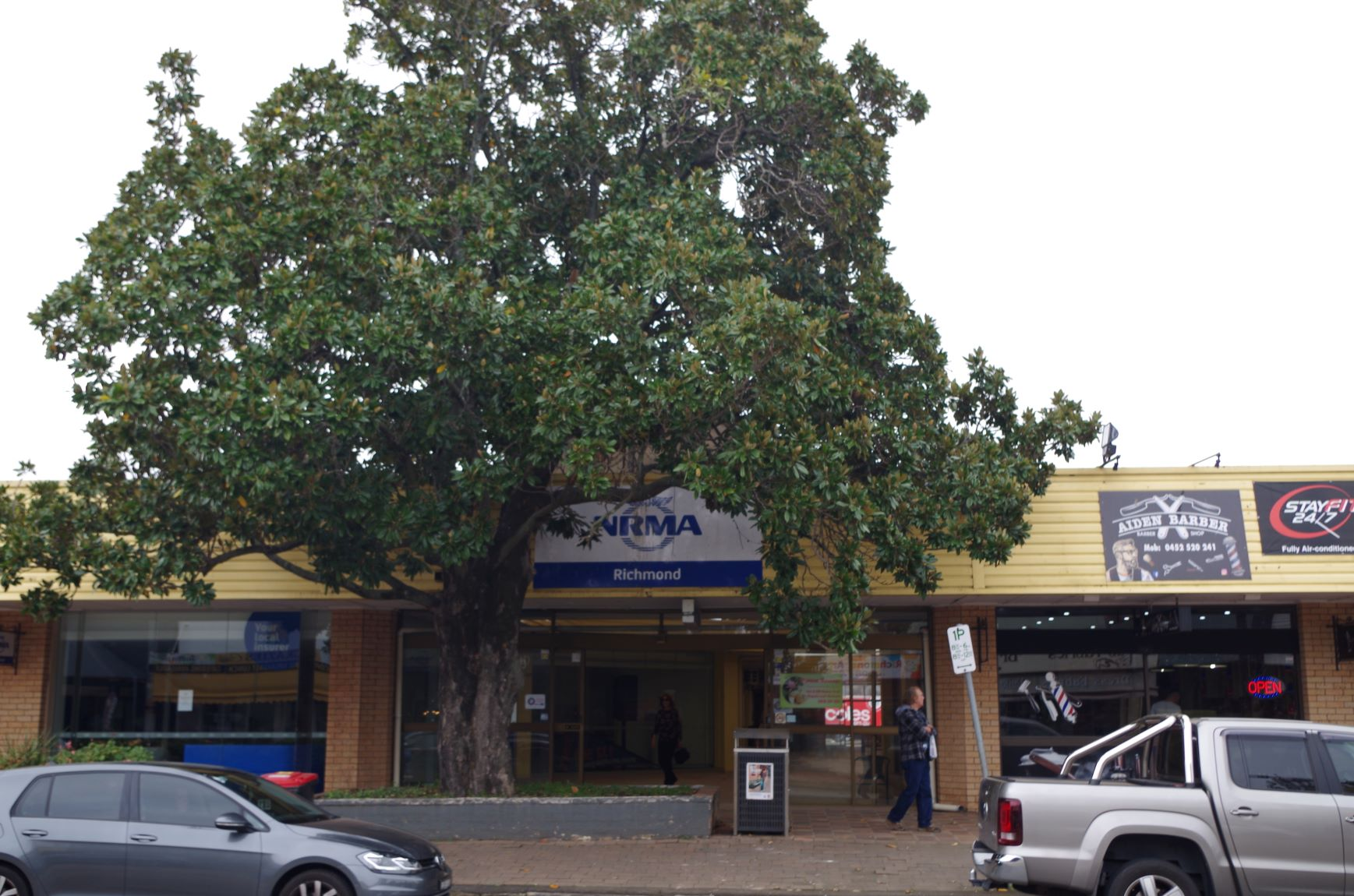
One very prominent tree The Magnolia of magnolia Mall was planted way back in the year 1840 by Thomas Perry ESQ, giving that individual tree a grand old age of 186 years.
The Hawkesbury campus itself traces its roots back to 1891, when the former Hawkesbury Agricultural College was established to support agricultural education in New South Wales. Many of the grand trees planted during those early decades have become landmarks in their own right.
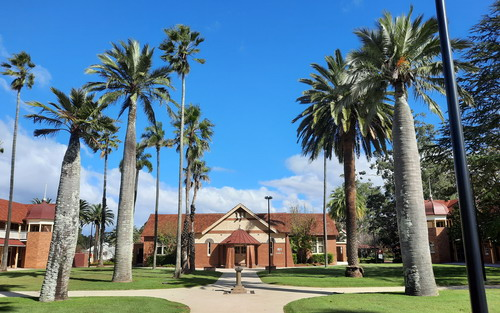
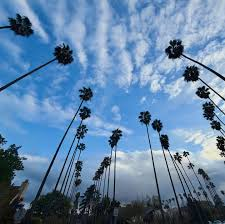
Visitors entering the campus are often struck by the old palm trees rising above the heritage buildings and broad lawns. Their silhouettes have become part of the visual identity of the campus, standing through droughts, floods and generations of students passing beneath them. Though not native to the district, the palms reflect the landscaping tastes of the late Victorian and Federation eras, when grand avenues and exotic plantings symbolised prestige and permanence.
Nearby, the old plane trees continue to spread their broad canopies across pathways and roadways. In autumn, their leaves turn shades of gold and russet, giving parts of Richmond and the wider Hawkesbury a distinctly European feel. Long-time locals often recall the crunch of fallen leaves underfoot and the relief of deep summer shade provided by the trees during the district’s fierce western Sydney heat.
For many residents, these trees are woven into personal memory. Former students remember gathering beneath them between lectures, while local families associate them with community events, markets and sporting days on the grounds.
The Hawkesbury region has always shared a strong relationship with the land. Today, the town and the university campus still contains extensive green space and remnant vegetation, including significant Cumberland Plain woodland and research forests. Yet it is often the oldest planted trees the palms, plane trees and avenues established more than a century ago that remain the most familiar faces in the landscape.
As urban development continues across greater western Sydney, these ageing trees have taken on new importance. Beyond their beauty, mature trees cool streets and buildings, provide habitat for birdlife and preserve the character of historic places.
Local historians say the old trees also help tell the story of Hawkesbury itself — a district shaped by farming, education and community resilience.
And while buildings may change and generations come and go, the great trees of Hawkesbury continue to stand watch, deeply rooted in the past and still growing into the future.