A major new report has delivered a confronting insight into the lives of Australia’s youngest generation, revealing that while many children remain hopeful, a growing number are struggling under pressure from school, technology, and an uncertain future.
The State of Australia’s Children report, led by UNICEF Australia in partnership with Australian Research Alliance for Children and Youth and supported by the Minderoo Foundation, is being described as the most comprehensive snapshot yet of child wellbeing in the country.
Drawing on national data and the voices of children themselves, the findings paint a complex picture, one that resonates deeply in communities like the Hawkesbury, where access to services, education pressures and digital challenges are part of everyday life.
A generation caught between hope and worry
While one in three young people say they feel excited about the future, more than half admit they are worried or uncertain about what lies ahead.
The biggest concerns? Financial security, housing affordability, mental health, online safety, and the rapid pace of digital change.
Climate change also emerged as the number one issue young people want action on a concern that echoes strongly in regions like ours, where families live close to national parks and face increasing natural disaster risks.
Younger children, meanwhile, expressed simpler but equally powerful hopes: a healthier planet, stronger support for families, and a more peaceful world.
School pressure and bullying remain major challenges
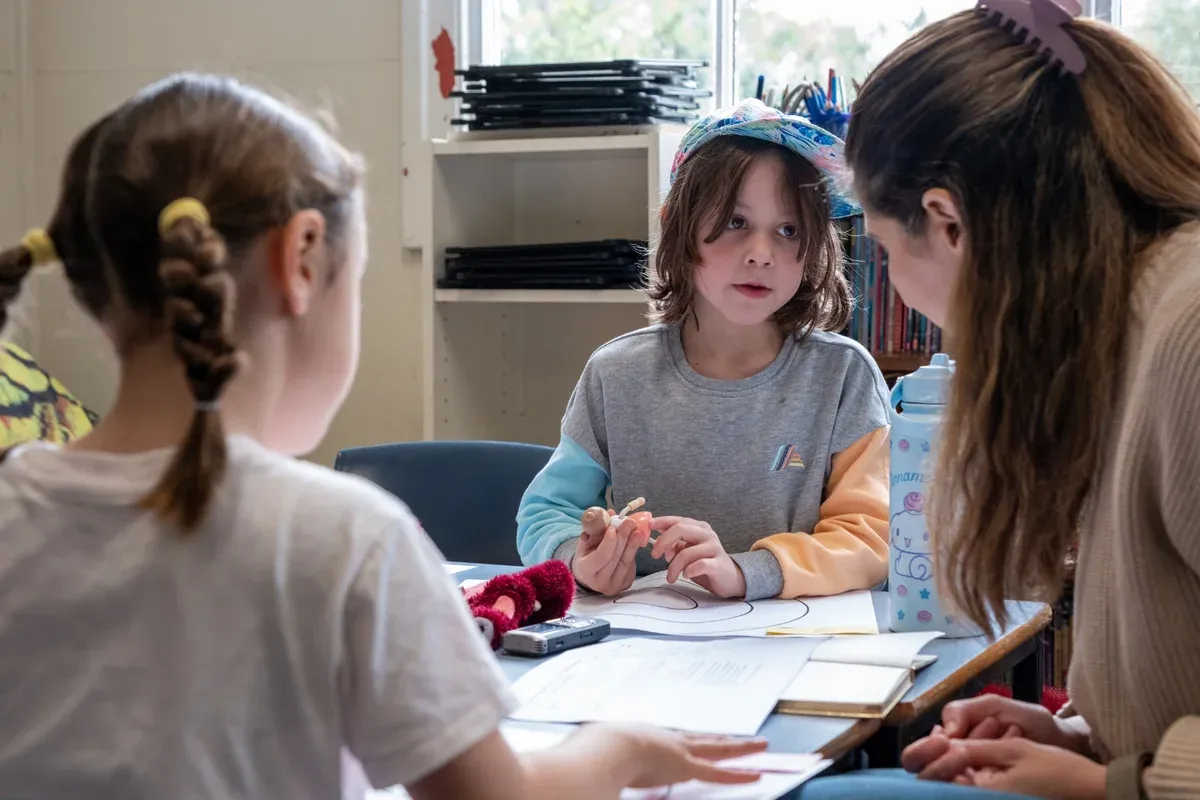
For many children, school is not the safe and supportive environment it should be.
More than a third of students surveyed said school is tiring and stressful, with many wishing adults better understood the pressure they are under.
Even more concerning, over half of young people reported experiencing bullying in the past year, most commonly verbal abuse or social exclusion. Children with disabilities are particularly vulnerable.
These findings raise important questions for local educators and policymakers about how schools can better support student wellbeing, not just academic outcomes.
Life online: connection and risk
Research from the eSafety Commissioner highlights the growing complexity of children’s digital lives.
Most young people report having had a negative online experience. Many say they struggle to tell what is real, feel overly reliant on technology, and experience increased isolation offline.
At the same time, social media remains a vital tool for connection especially for those who may feel isolated in their physical communities.
Young people are calling for more support: better mental health services, clearer education about technology, and stronger digital skills to help them navigate the future.
If given the chance to lead, more than a quarter said they would prioritise making technology and social media safer for children.
A local lens on a national issue
For Hawkesbury families, these findings are not abstract.
“Kids don’t really get to switch off anymore. Even when they come home from school, the social pressures continue through phones and online platforms. For many families, it feels like childhood has become far more intense and complicated.” says a Hawkesbury mum of a 15 year old boy and 10 year old girl.
In a region already grappling with limited childcare options, long travel times for services, and growing infrastructure pressures, the wellbeing of children is closely tied to broader community investment.
The report serves as both a warning and an opportunity a reminder that supporting young people requires more than good intentions. It demands coordinated action across education, health, digital policy and community planning.
Because behind the statistics are real children, our children, navigating a world that is changing faster than ever before.